
What Happened: The Core Developments
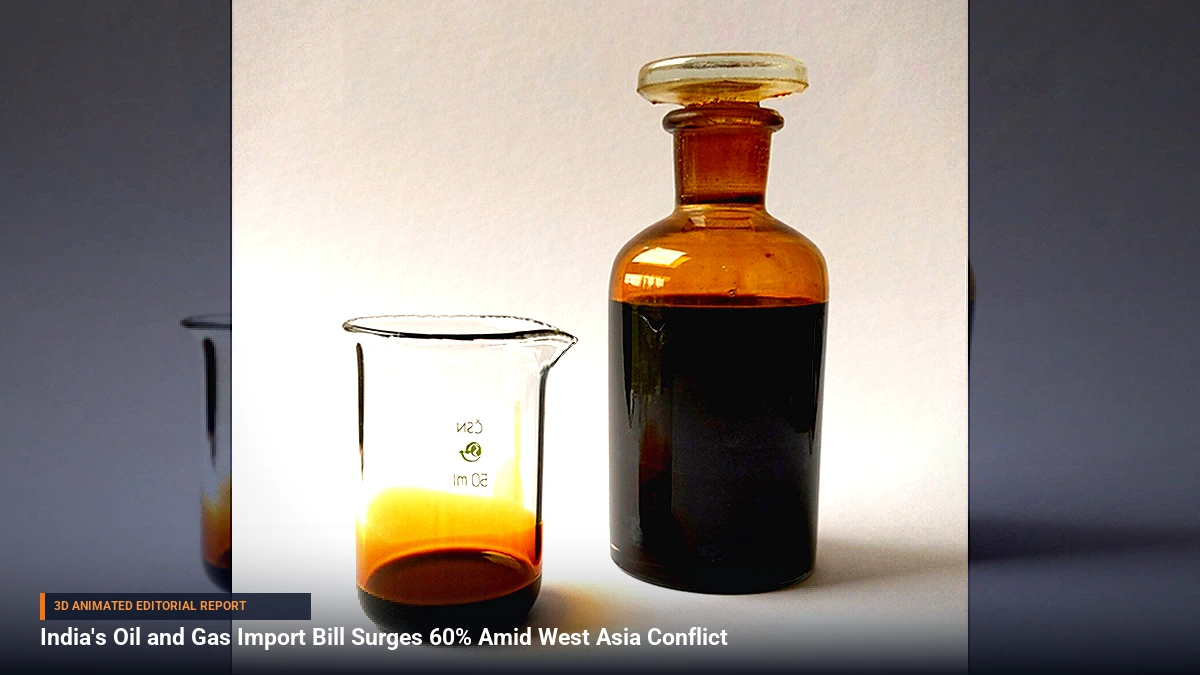
India faced a severe fiscal strain on its energy imports as the nation's combined oil and gas import bill climbed to $16 billion in October. The dramatic 60% year-on-year surge was directly triggered by mounting geopolitical tensions across West Asia, which sent international crude benchmarks soaring.
Alongside the skyrocketing monetary value, India's physical crude imports also expanded, registering a growth of over 4% on a month-on-month basis. However, the soaring costs and supply uncertainties rippled through domestic markets, leading to notable shifts in domestic energy consumption, including a measurable decrease in liquefied petroleum gas (LPG) usage as households and commercial entities adjusted to inflationary pressures.
Background & Key Context
For decades, India—the world's third-largest oil importer and consumer—relied heavily on traditional Middle Eastern suppliers to meet its insatiable energy demands. However, persistent volatility and conflict flare-ups in West Asia have continuously exposed the vulnerability of these supply chains.
In response to price volatility and shifting diplomatic trade terms, New Delhi has actively diversified its energy basket over recent years. This strategic realignment has steadily eroded the dominance of the Organization of the Petroleum Exporting Countries (OPEC) within the South Asian market, paving the way for alternative suppliers and non-traditional trade agreements.
Key Takeaways
- Spiking Import Bill: India's total oil and gas import expenditure hit $16 billion in October, marking a steep 60% jump.
- Rising Volumes: Physical crude oil imports rose by more than 4% month-on-month despite the higher price environment.
- OPEC Market Share Shrinks: OPEC’s share of India's cumulative crude imports dropped significantly to 27.4% during the April-October period.
- Domestic Strain: Higher energy costs began impacting domestic consumption patterns, evidenced by a noticeable contraction in LPG usage.
- Geopolitical Vulnerability: The crisis underscores the immediate transmission of West Asian conflict risks into India's macro-economy and fiscal deficit targets.
Impact, Analysis & Global/National Reactions
Energy analysts point out that the staggering October figures highlight the precarious nature of India's current account balance when faced with external supply shocks. As Brent crude prices fluctuated wildly under the weight of regional hostilities, the cost of powering the world's fastest-growing major economy scaled disproportionately against domestic output.
Furthermore, the slump in OPEC's share to 27.4% for the April-October window signals a permanent structural adaptation. Indian refiners have increasingly favored discounted alternative grades, fundamentally altering traditional trade flows. Economic strategists note that sustained high import bills could force policymakers to reconsider fiscal subsidies, particularly if cooking gas and retail fuel prices remain under upward pressure.
What's Next: Looking Ahead
As West Asian diplomatic and military developments remain fluid, market participants are closely monitoring upcoming OPEC+ production policy meetings and maritime security updates in crucial transit chokepoints like the Strait of Hormuz.
For Indian policymakers, the immediate challenge lies in balancing macroeconomic stability against imported inflation. Future trade data for the remainder of the fiscal year will indicate whether refiners can further insulate the domestic economy through accelerated supplier diversification or if additional fiscal interventions will be required to manage the mounting energy import bill.



Be the first to comment
Start a useful conversation around this story.