
What Happened: The Core Developments
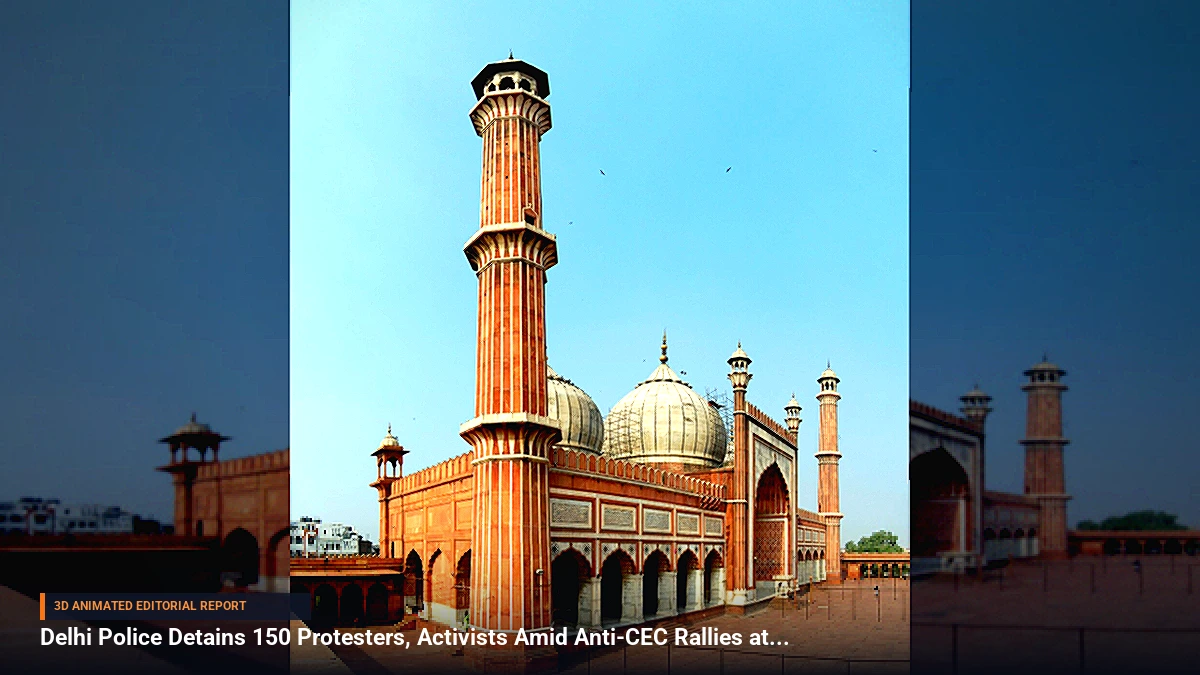
Tensions escalated sharply in the national capital as Delhi Police initiated a massive clampdown on demonstrations demanding the resignation of Chief Election Commissioner (CEC) Gyanesh Kumar. Approximately 150 protesters were detained near the historic Jantar Mantar site over consecutive days of unrest.
Among those taken into custody by law enforcement were high-profile figures, including activist-lawyer Prashant Bhushan, All India Students' Association (AISA) President Neha Bora, and Swaraj India leader Yogendra Yadav. Responding to the demonstrations, the Delhi Police registered three separate FIRs related to the unauthorized gatherings and subsequent clashes, signaling a zero-tolerance policy toward the demonstrations near key government zones.
Background & Key Context
The protests represent a boiling point in ongoing political and civil discontent directed at the country's top electoral body. Dissatisfaction has steadily mounted among various student organizations, political youth wings, and civil society groups regarding the administrative and structural conduct of the Election Commission under CEC Gyanesh Kumar.
Prior to the physical mobilizations at Jantar Mantar, institutional friction was already visible in the judicial arena. Notably, the Indian Youth Congress approached the Delhi High Court after local authorities denied official permission to stage demonstrations against the CEC. Despite the legal roadblocks and denial of permits, activists and political workers pushed forward with street demonstrations, setting the stage for direct confrontations with law enforcement.
Key Takeaways
- Mass Detentions: Around 150 individuals, including high-profile activists and student leaders, were detained by Delhi Police.
- Notable Figures Targeted: Prominent names in custody include Prashant Bhushan, Yogendra Yadav, and AISA President Neha Bora.
- Legal Action by Police: Authorities have filed three formal FIRs in connection with the Jantar Mantar demonstrations.
- Pre-Protest Legal Battles: The Indian Youth Congress previously moved the Delhi High Court following the denial of protest permits.
- Escalating Civil Discontent: The demonstrations center around explicit demands for the resignation of CEC Gyanesh Kumar.
Impact, Analysis & Global/National Reactions
The heavy-handed police response has drawn sharp condemnation from civil liberties groups and opposition political actors, who argue that the crackdown infringes upon fundamental democratic rights to dissent and assembly. Conversely, security administrators defend the detentions as necessary maintenance of public order and adherence to municipal restrictions in high-security zones.
Legal analysts point out that the parallel tracks of street protests and court battles highlight a deepening crisis of trust between civil society organizations and independent constitutional institutions. The involvement of veteran legal minds like Prashant Bhushan underscores the gravity of the legal challenges mounting against executive and administrative overreach.
What's Next: Looking Ahead
As the legal fallout unfolds, attention turns heavily toward the Delhi High Court, where pending petitions regarding protest permissions and civil liberties are expected to be heard. The handling of the three newly registered FIRs by Delhi Police will set a crucial precedent for how future dissent against constitutional authorities is managed in the capital. Meanwhile, civil society networks and youth wings have signaled that further mobilizations may be planned, pointing toward a protracted standoff between activist groups and state apparatuses.

Be the first to comment
Start a useful conversation around this story.