
What Happened: The Core Developments
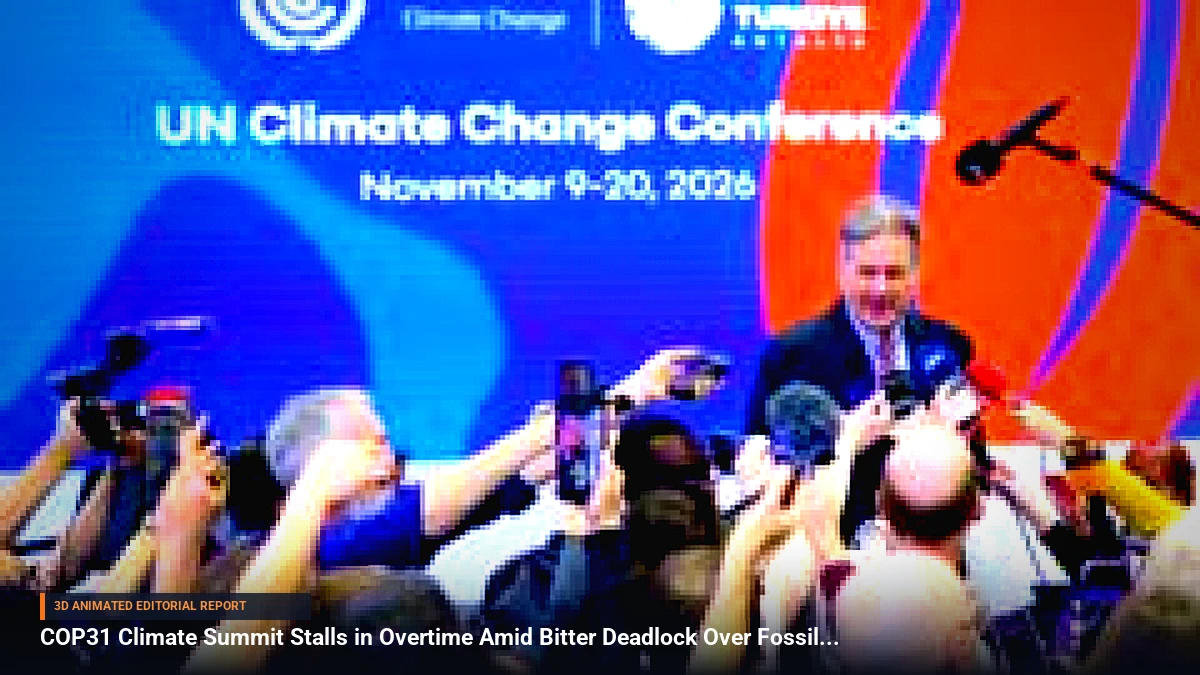
The COP31 climate summit taking place in Antalya, Turkey, has plunged into deep uncertainty following the formal rejection of the latest draft text by the European Union and multiple participating delegations. As final plenary sessions commenced, the core agreement text proved unable to bridge the wide chasm between developed and developing economies.
While the current draft cover decision retains specific technical metrics—notably a targeted 35% electrification rate—it leaves the most contentious structural elements entirely unresolved. Observers on the ground note that the inability to forge consensus on immediate, actionable measures has brought the two-week summit perilously close to an institutional breakdown.
Background & Key Context
The annual United Nations Climate Change Conferences are designed to advance global commitments toward the Paris Agreement's temperature thresholds. However, COP31 has struggled from the outset with foundational disagreements over equity, historical emissions, and economic support.
Climate finance has consistently served as the primary stumbling block at recent summits, with developing nations demanding robust public financial flows to adapt to accelerating environmental degradation. Concurrently, debates surrounding fossil fuel phase-outs have repeatedly exposed structural fractures between resource-dependent economies and nations advocating for rapid decarbonization.
Key Takeaways
- Summit Crisis: COP31 in Antalya faces an imminent breakdown as the European Union and critical allies reject the latest draft agreement text.
- Retained Targets: The disputed draft cover decision maintains a specific 35% electrification target, though it lacks broader consensus.
- Unresolved Pillars: Vital issues including global climate finance frameworks and the definitive transition away from fossil fuels remain unaddressed.
- Intense Divisions: Deep-seated geopolitical and economic fractures between diverse negotiating blocs continue to stall final text adoption.
- High Stakes: The failure to secure a unified pact threatens to undermine the credibility of multilateral climate governance moving forward.
Impact, Analysis & Global/National Reactions
The collapse of consensus at COP31 signals severe headwinds for international climate diplomacy. Analysts note that when major blocs like the EU reject foundational text drafts, it exposes a fundamental misalignment on how to share the economic burdens of the green transition.
“The current trajectory highlights an alarming disconnect between scientific imperatives and geopolitical realism,” noted one independent policy analyst following the proceedings. Delegations representing vulnerable island nations and developing economies voiced profound frustration over the stalled negotiations, arguing that protracted stalemates directly compromise global climate security.
What's Next: Looking Ahead
As the final sessions hang in the balance, conference presidency officials and lead negotiators are scrambling behind closed doors to salvage a compromise. Failure to reach an accord risks delivering a fractured final outcome that could weaken national climate commitments ahead of upcoming reporting deadlines. Stakeholders across financial markets, policy institutions, and civil society will be closely monitoring whether emergency compromises can be brokered before the gavel falls in Antalya.


Be the first to comment
Start a useful conversation around this story.