
What Happened: The Core Developments
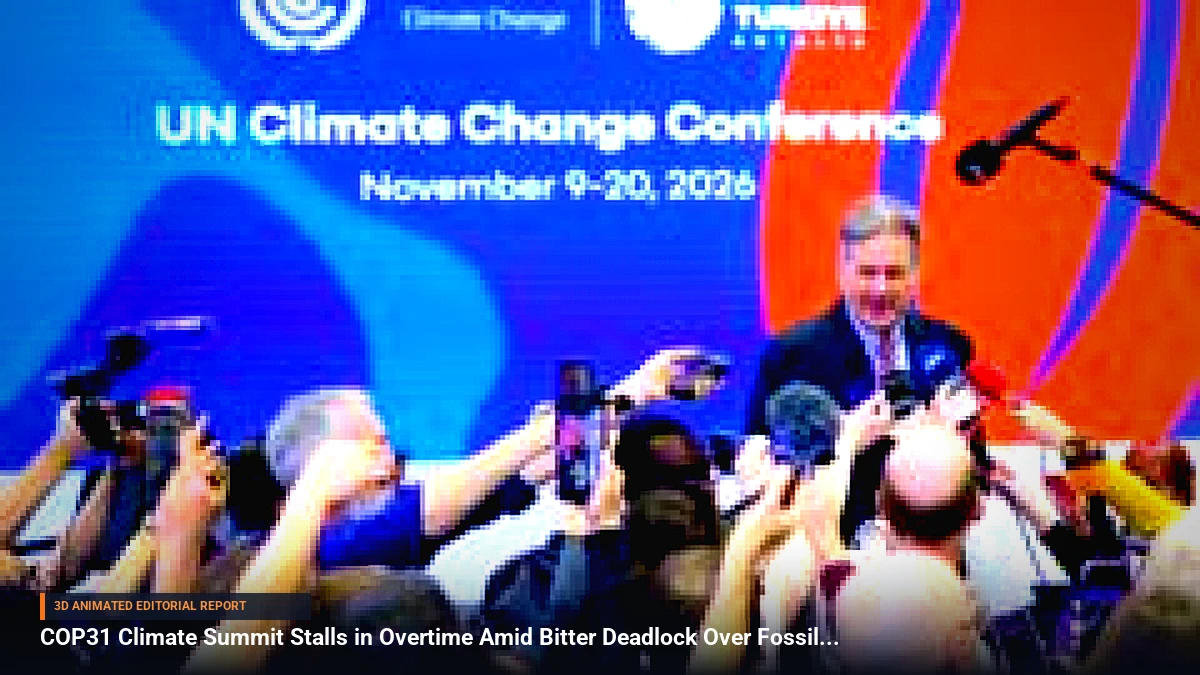
The COP31 United Nations climate summit in Antalya, Turkey, has extended deep into unscheduled overtime following a severe diplomatic deadlock. Delegates from nearly 200 nations found themselves locked in contentious debates after the latest draft texts dropped explicit references to phasing out fossil fuels. While summit organizers insisted that a final compromise remained within reach, the omission of core mitigation language triggered immediate pushback from climate-vulnerable countries and European Union delegates, who warned that the conference risked descending into a "fossil summit."
The revised cover decision retains specific technical targets, such as a 35% electrification goal by 2035, but leaves crucial frameworks concerning long-term financial assistance and the transition away from oil, gas, and coal largely unresolved. Notably, a newly introduced draft text acknowledges for the first time in formal UN negotiations that global warming is tracking dangerously close to permanently breaching the critical 1.5°C threshold, adding existential urgency to the stalled discussions.
Background & Key Context
The friction at Antalya echoes structural showdowns witnessed at previous climate conferences, where petro-states and resource-dependent developing nations frequently clash with European and island states. The debate hinges on whether international agreements should legally mandate specific phaseout timelines for fossil fuels or focus strictly on emissions reductions and technological workarounds. Saudi Arabia and other major energy producers have consistently resisted binding mandates that target fossil fuel extraction directly, creating a perennial bottleneck during the concluding hours of COP summits.
Key Takeaways
- Extended Overtime: COP31 talks in Antalya entered a second day of unscheduled overtime as negotiators fought to bridge ideological divides.
- Fossil Fuel Omission: The draft text faced fierce backlash for completely omitting explicit references to a fossil fuel phaseout.
- 1.5°C Threshold Acknowledged: A late-stage draft explicitly notes that current trajectories place the planet on course to cross the critical 1.5°C warming limit.
- Retained Targets: The cover decision maintains the '35 by 35' electrification target but fails to resolve broader climate finance packages.
- Diplomatic Showdowns: Tensions peaked around resistance led by petro-states, drawing sharp reprimands from European delegations and climate watchdogs.
Impact, Analysis & Global/National Reactions
The failure to enshrine clear transition targets has alarmed international climate advocates and policy analysts. Critics argue that omitting explicit fossil fuel phaseout language dilutes the credibility of the Paris Agreement framework at a time when extreme weather events are intensifying globally.
European Union representatives voiced profound frustration during plenary sessions, emphasizing that an agreement devoid of mitigation commitments fails to meet scientific imperatives. Conversely, developing nations stressed that any transition framework must be paired with robust, uncompromised financial commitments to support adaptation efforts in the Global South.
What's Next: Looking Ahead
As exhausted delegates review the final iterations of the Antalya text, all eyes remain on the summit presidency to broker a consensus that prevents total structural collapse. Even if a compromised cover decision is forced through via consensus, the ongoing exclusion of binding fossil fuel language signals that future summits will continue to grapple with fundamental divisions over who bears the primary responsibility for decarbonization.




Be the first to comment
Start a useful conversation around this story.