
What Happened: The Core Developments
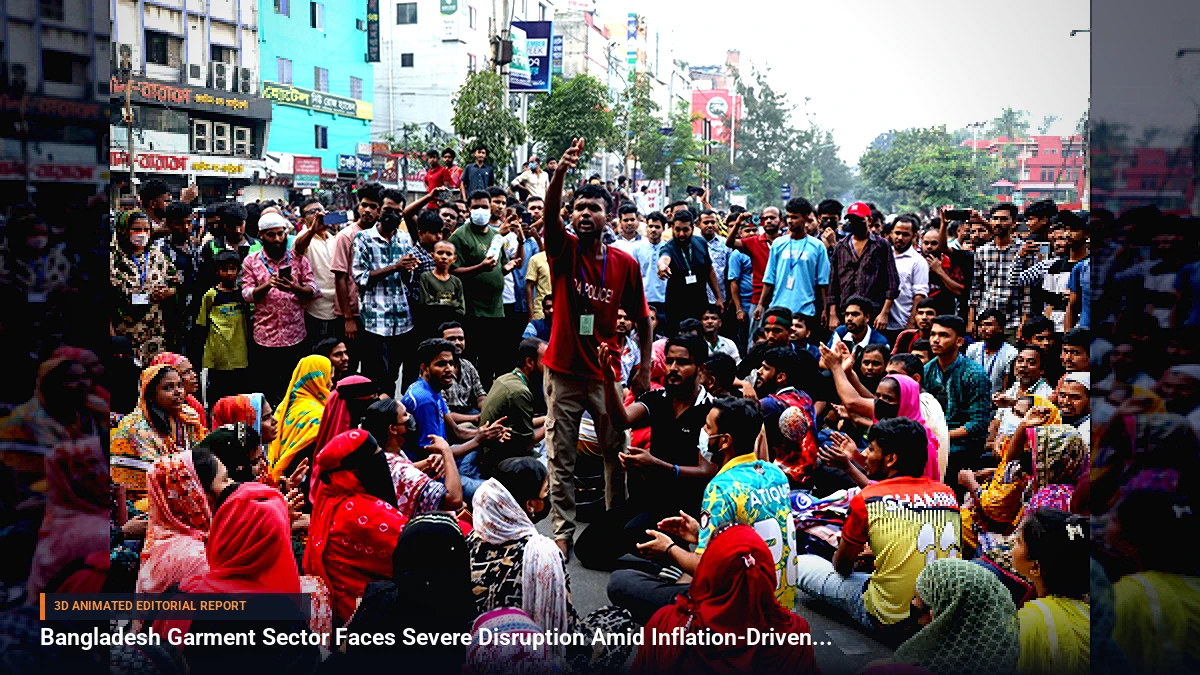
Bangladesh's vital ready-made garment (RMG) industry—the cornerstone of the nation's export economy—has been plunged into turmoil as factory operations face widespread blockades and walkouts. Marking the third consecutive day of intense labor unrest, workers have mobilized in key industrial hubs to demand urgent adjustments to their minimum wage structures.
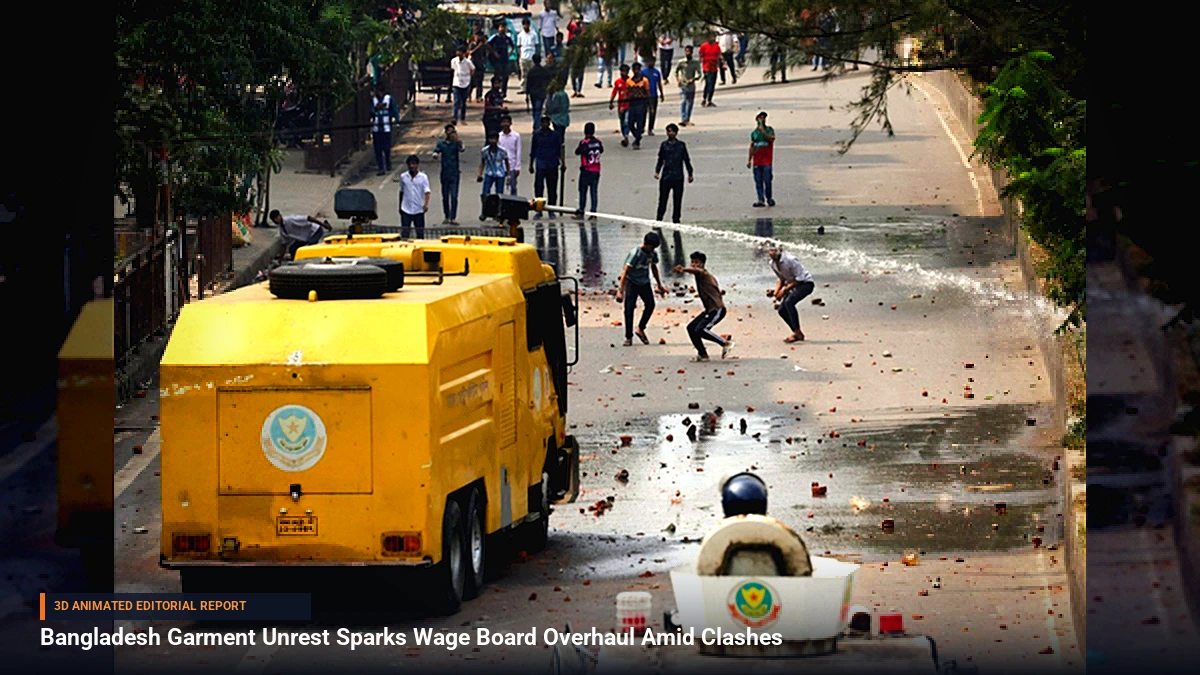
The demonstrations have resulted in temporary shutdowns, sporadic clashes, and heightened security deployments across industrial districts. While labor advocates emphasize that the protests are a direct reaction to an increasingly unaffordable cost of living, the unrest has kept the broader manufacturing sector on edge, threatening supply chains for major global fashion brands that rely heavily on Bangladeshi production facilities.
Background & Key Context
The current wave of labor agitation is deeply rooted in persistent economic headwinds. In recent years, inflation has steadily eroded the purchasing power of low-wage factory workers, making it exceedingly difficult for families to cover basic expenses such as food, housing, and utilities. Although the government and industry stakeholders have previously attempted to establish wage boards to review compensation packages, delays and disagreements over adequate pay increases have repeatedly triggered friction.
The RMG sector employs millions of workers, predominantly women, and accounts for the vast majority of Bangladesh's export earnings. Consequently, any prolonged disruption in this sector reverberates across the national economy, drawing intense scrutiny from international trade partners, human rights organizations, and global retail conglomerates.
Key Takeaways
- Escalating Unrest: Factory disruptions have entered a critical third day, halting production lines and blocking major industrial thoroughfares.
- Core Economic Drivers: Workers are explicitly demanding higher minimum wages to offset the severe financial strain caused by rising inflation.
- Government and Official Stance: Senior police and government officials have countered labor claims by asserting that domestic and foreign conspiracies are stoking the protests.
- Economic Vulnerability: As the nation's primary export earner, the garment sector's instability poses a direct risk to national financial stability and international supply chains.
- Urgent Need for Dialogue: Stakeholders face mounting pressure to bridge the gap between workers' economic survival needs and the operational capacities of factory owners.
Impact, Analysis & Global/National Reactions
The widening chasm between labor demands and official responses highlights a complex socio-political dilemma. While grassroots reports and labor representatives underscore the undeniable reality of inflation-driven poverty, political figures and law enforcement authorities have occasionally pointed fingers outward, alleging political machinations and cross-border conspiracies aimed at destabilizing the manufacturing sector.
Economic analysts warn that dismissing legitimate economic grievances as mere conspiracies risks prolonging the crisis. Major global apparel brands are closely monitoring the situation, as prolonged labor disputes could force buyers to diversify sourcing to other nations, ultimately harming Bangladesh's long-term export competitiveness. Civil society groups continue to call for transparent, good-faith negotiations rather than heavy-handed security crackdowns.
What's Next: Looking Ahead
Resolving the current impasse will require immediate, structured dialogue between factory owners, labor union representatives, and government ministries. Stakeholders are anticipating further announcements regarding wage board reviews and potential adjustments to the minimum wage framework.
In the near term, authorities face the delicate task of restoring public order and operational security in industrial zones without further alienating the workforce. For the millions of garment workers depending on these factories for their livelihoods, the coming days will be critical in determining whether tangible economic relief is finally on the horizon.



Be the first to comment
Start a useful conversation around this story.