
What Happened: The Core Developments
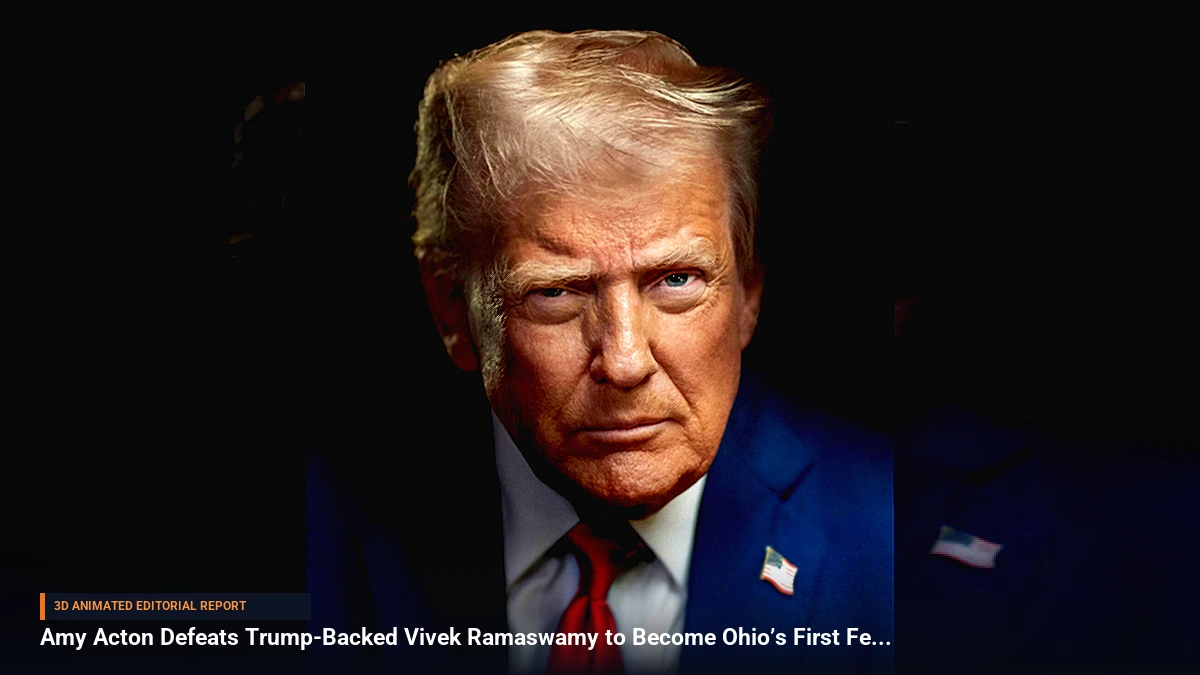
In a striking electoral outcome that has reshaped the political landscape of the American Midwest, Democrat Amy Acton has emerged victorious in the Ohio gubernatorial race. Acton defeated her Republican challenger, Vivek Ramaswamy, in a tightly contested battle that drew intense national attention. By securing the governorship, Acton has shattered a long-standing political ceiling, officially becoming Ohio’s first female governor in the state's history.
The race was widely viewed by political analysts as a critical bellwether for the broader midterms, pitting a prominent Democratic figure against a high-profile Republican contender who carried the powerful endorsement of former President Donald Trump.
Background & Key Context
The gubernatorial contest in Ohio was characterized by stark ideological contrasts. Vivek Ramaswamy entered the race with significant momentum, having closely aligned his political identity and campaign platform with the MAGA movement and Donald Trump's vision for the country. Analysts noted that Ramaswamy's strategy heavily leaned into nationalized talking points and a complete alignment with Trump's populist branding.
On the other side, Amy Acton campaigned on a platform that resonated deeply with voters looking for pragmatic leadership and stability. Acton first rose to widespread public recognition for her steady, science-based communication during public health crises, which ultimately built a durable coalition of moderate voters, independents, and energized Democrats across the state.
Key Takeaways
- Historic Milestone: Amy Acton's victory marks the first time a woman will hold the office of governor in the state of Ohio.
- Defeat of Trump Endorsement: Republican candidate Vivek Ramaswamy, despite enjoying robust backing from Donald Trump and modeling much of his campaign after the former president, failed to secure the crucial Rust Belt state.
- Midterm Bellwether: The race highlights shifting voter dynamics in the Midwest, demonstrating that heavy national alignments do not automatically guarantee local electoral success.
- Voter Coalition: Acton successfully bridged partisan divides by appealing to a broad spectrum of suburban and urban constituents.
Impact, Analysis & Global/National Reactions
The defeat of a staunchly pro-Trump candidate in a historically competitive state like Ohio has sent ripples through both major political parties. Political strategists suggest that the outcome serves as a cautionary tale for candidates who rely too heavily on nationalized polarizing figures rather than addressing hyper-local economic and social concerns unique to Midwestern communities.
"Ramaswamy's attempt to completely remake himself in Trump’s image ultimately alienated a crucial slice of the Ohio electorate that values local autonomy and pragmatic problem-solving," noted one veteran political analyst. The result underscores a growing appetite among certain segments of the electorate for governance rooted in public service expertise over partisan theatrics.
What's Next: Looking Ahead
As Amy Acton prepares to transition into the executive office, her administration will immediately face the pressing challenges of state-level economic development, healthcare infrastructure, and education funding. Observers will be closely watching how the state legislature—traditionally dominated by Republican majorities—chooses to work alongside Ohio's first female Democratic governor.
Additionally, the outcome will force national Republican and Democratic committees to re-evaluate their campaign playbooks ahead of future cycles, particularly regarding how candidates position themselves in crucial swing states and the Rust Belt.




Be the first to comment
Start a useful conversation around this story.