
What Happened: The Core Developments
Diplomatic channels are shifting toward the Middle East as high-level officials prepare for a new round of trilateral peace negotiations. Scheduled to take place in Abu Dhabi, United Arab Emirates, on November 10–11, the upcoming meetings will bring together delegations representing the United States, Russia, and Ukraine.
The framework of these discussions was officially confirmed by both the Kremlin and U.S. envoy Witkoff, marking a significant, albeit fragile, attempt to re-engage diplomatic machinery. Ukrainian President Volodymyr Zelenskyy has voiced cautious optimism regarding the summit, expressing his desire that the dialogue in the UAE could successfully establish a pathway toward a direct, high-level meeting with Russian President Vladimir Putin.
Background & Key Context
The upcoming Abu Dhabi summit arrives at a critical juncture in the protracted conflict. Previous efforts to establish lasting ceasefires or substantive peace frameworks have repeatedly stalled due to irreconcilable territorial disputes and deep-seated mutual distrust.
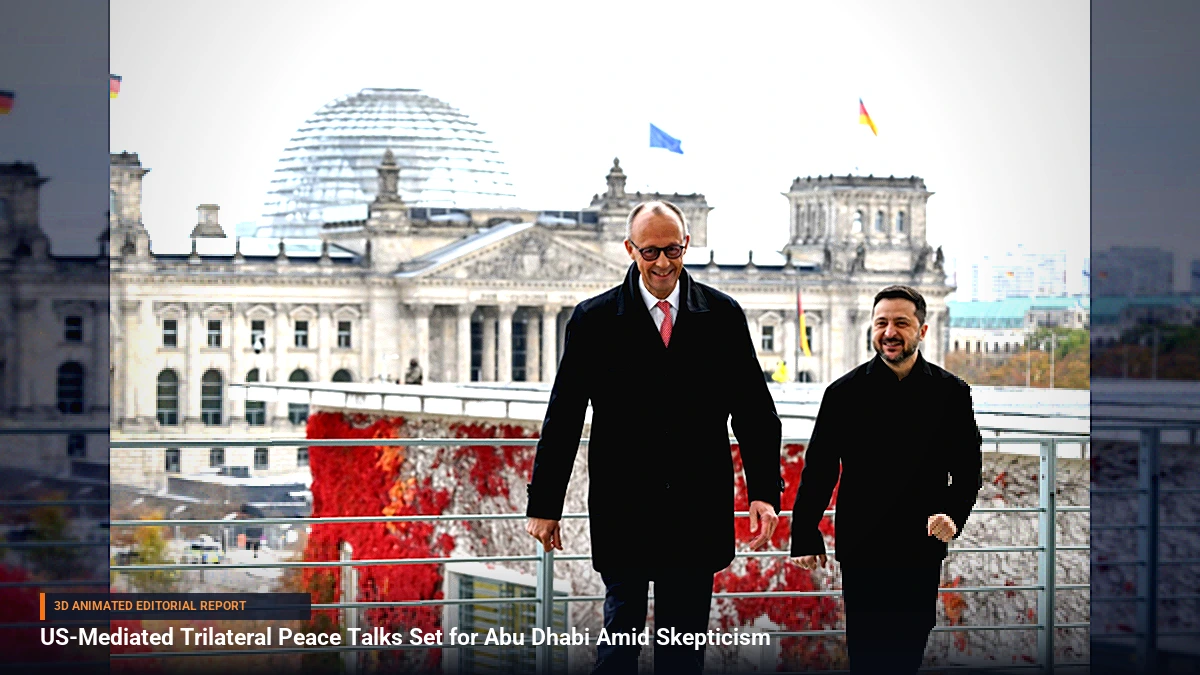
While Washington has stepped up its mediation efforts—utilizing back-channels and special envoys to bring the warring parties to the table—European partners have observed these developments with a notable degree of reserve. During a recent diplomatic meeting in Berlin, the German chancellor underscored that despite ongoing diplomatic maneuvers, Moscow has yet to demonstrate a genuine, serious commitment to ending hostilities through compromise.
Key Takeaways
- Scheduled Dates: Trilateral peace talks are set for November 10–11 in Abu Dhabi, UAE.
- Confirmed Participants: The Kremlin and U.S. official Witkoff have formally confirmed the upcoming diplomatic sessions.
- Kyiv's Objectives: Ukrainian President Volodymyr Zelenskyy hopes the meetings will act as a stepping stone toward a personal meeting with Vladimir Putin.
- European Skepticism: Key European leaders, including Germany's chancellor, remain doubtful about Russia's willingness to engage sincerely in peace efforts.
- U.S. Mediation: Washington continues to play a central role in facilitating and hosting the dialogue platform between Kyiv and Moscow.
Impact, Analysis & Global/National Reactions
The pivot toward mediated trilateral talks highlights a renewed urgency among international stakeholders to explore diplomatic off-ramps. However, analysts warn against premature optimism. The divergence between Washington’s aggressive mediation strategy and Europe’s guarded caution illustrates the delicate balance required to keep all factions engaged.
For Ukraine, participating in the Abu Dhabi summit is both a strategic necessity and a political tightrope. President Zelenskyy’s stated goal of utilizing the forum to force a direct dialogue with Putin demonstrates Kyiv's desire to accelerate high-level political resolutions. Conversely, Moscow's participation will be closely scrutinized to determine whether the Kremlin intends to use the platform for substantive negotiation or tactical posturing.
What's Next: Looking Ahead
As the November 10–11 dates approach, international observers will be watching closely for leaks regarding the formal agenda and delegate rosters. The success or failure of the Abu Dhabi meetings could redefine the trajectory of international diplomacy surrounding the conflict, potentially setting a precedent for future summits or, conversely, freezing diplomatic efforts for the foreseeable future.




Be the first to comment
Start a useful conversation around this story.