
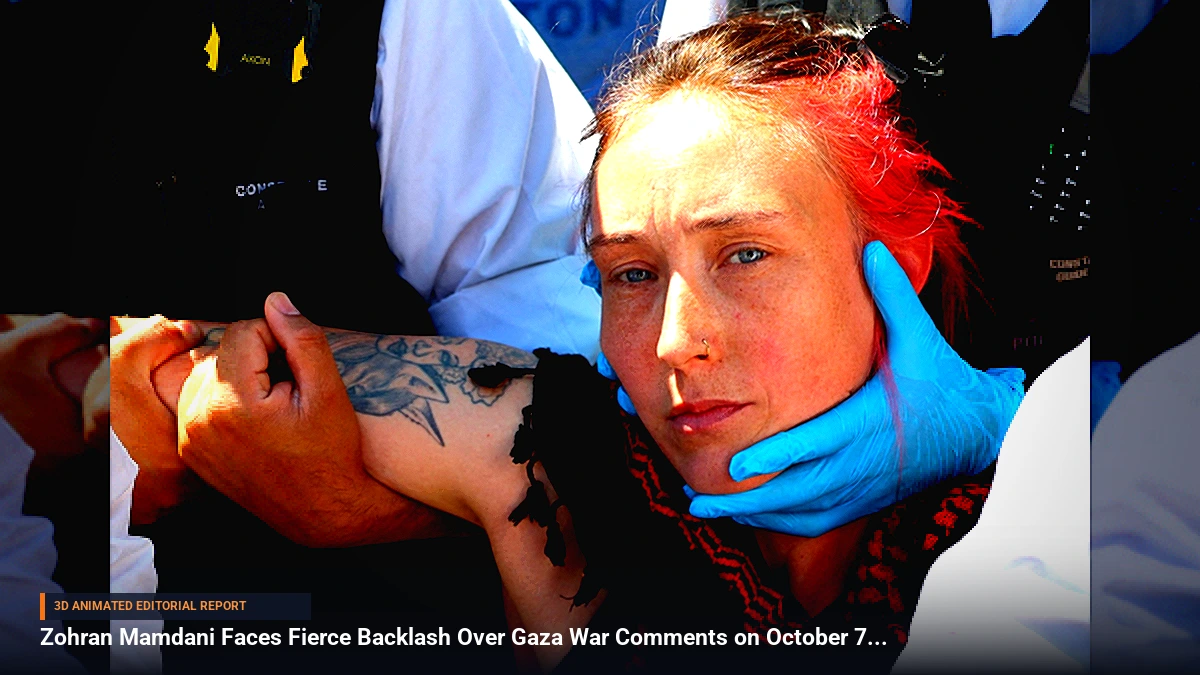
What Happened: The Core Developments
On the solemn three-year milestone of the October 7, 2023, attacks, public discourse was once again thrown into sharp relief by polarizing rhetoric. Zohran Mamdani faced immediate and extensive backlash after characterizing Israel's military campaign in Gaza as an ongoing genocide during commemorations marking the anniversary.
The timing of the statement amplified tensions globally, as international outlets, advocacy groups, and citizens marked three years since the Hamas-led incursions and the subsequent, devastating military response in Gaza. Rather than serving purely as a moment of collective mourning for the victims of the initial terror attacks, the anniversary became a flashpoint for fierce debates surrounding vocabulary, culpability, and the definition of the conflict's humanitarian toll.
Background & Key Context
The October 7 attacks fundamentally restructured geopolitical alignments, regional security, and domestic political landscapes across Western democracies. Over the past three years, the resulting war in Gaza has transformed from an immediate military retaliation into a protracted crisis, drawing ordinary citizens into sustained social and political movements across nations like the United Kingdom and the United States.
Public figures wading into the discourse frequently encounter severe friction, as linguistic choices—such as labeling the campaign a "genocide" versus defending military necessity against terrorism—are heavily scrutinized by opposing political factions. Anniversaries of significant trauma often act as catalysts, heightening sensitivities and hardening ideological battle lines.
Key Takeaways
- Controversial Timing: Zohran Mamdani's remarks were delivered precisely on the three-year anniversary of the October 7, 2023, attacks.
- Heated Backlash: The characterization of Israel's military campaign as an "ongoing genocide" drew swift and widespread condemnation from critics and political opponents.
- Milestone Reflection: Global media outlets and communities spent the anniversary marking three years of devastation, displacement, and grief stemming from the conflict.
- Deepening Polarization: The incident underscores how domestic political figures in Western nations continue to face intense division over the Israel-Palestine narrative.
- Sustained Activism: Three years on, the ripple effects of the war continue to mobilize grassroots movements and alter public policy debates internationally.
Impact, Analysis & Global/National Reactions
The friction surrounding Mamdani's comments reflects a broader pattern of civic unrest and ideological divergence. Analysts note that language surrounding the conflict has become as fiercely contested as the battlefield itself. Supporters of robust Palestinian solidarity movements argue that naming the humanitarian catastrophe accurately is a moral imperative, while detractors view such rhetoric on the anniversary of October 7 as insensitive, provocative, and dismissive of the trauma suffered by Israeli victims.
Institutional responses from various political quarters have consistently mirrored this divide, transforming local political spaces into microcosms of the international debate.
What's Next: Looking Ahead
As the conflict enters its fourth year following the October 7 watershed, public figures, lawmakers, and activists will likely continue to navigate a treacherous political landscape. The ongoing legal battles at international tribunals, coupled with domestic debates over foreign policy and free speech, ensure that statements like Mamdani's will remain central to the broader conversation regarding accountability and the path toward any future resolution.

Be the first to comment
Start a useful conversation around this story.