
What Happened: The Core Developments
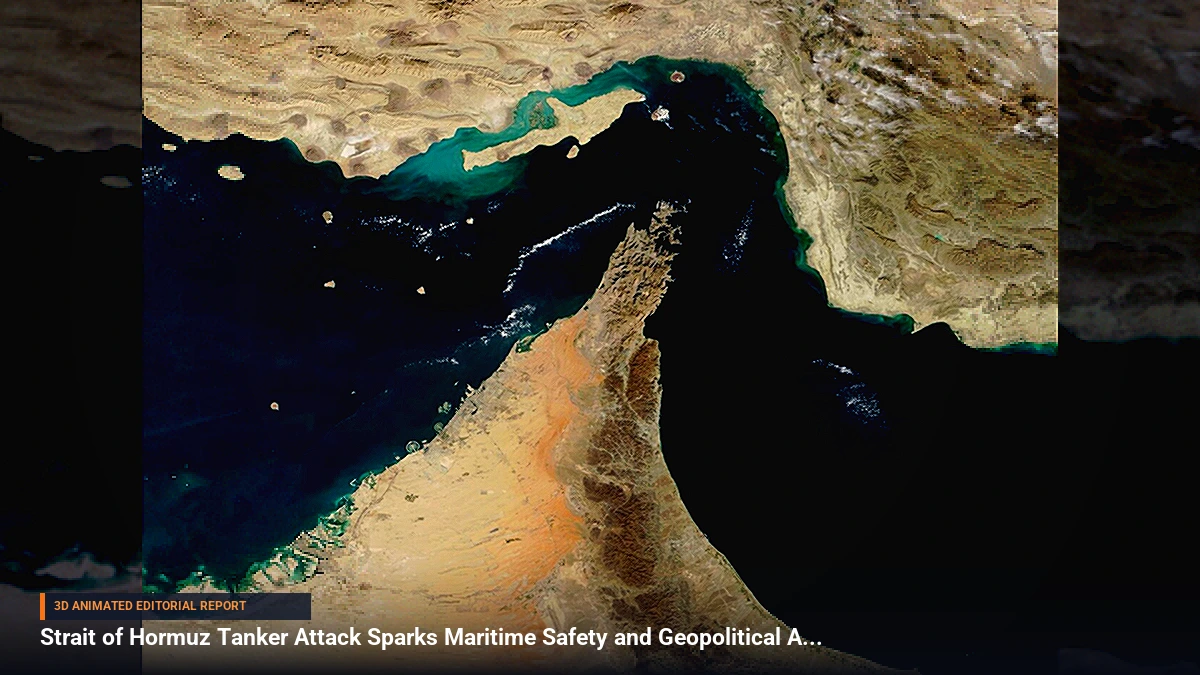
A liquefied petroleum gas (LPG) tanker navigating international waters off the coast of Oman, near the strategically vital Strait of Hormuz, was struck by an unidentified projectile. The direct hit forced the vessel's crew to abandon the ship amid immediate safety concerns. Maritime and intelligence sources confirmed the incident, which underscores the volatile security environment facing commercial shipping in the Persian Gulf and surrounding choke points.
While initial reports varied regarding the exact safety status of all individuals on board, verified accounts established that the ship's complement included a significant number of Indian nationals. Subsequent official updates confirmed that 21 crew members were successfully rescued, while two sustained injuries. Tragically, one Indian seafarer remained unaccounted for, prompting urgent search and rescue coordination.
Background & Key Context
The Strait of Hormuz represents one of the world's most critical maritime chokepoints, through which a substantial portion of global petroleum and gas supplies transit daily. Over recent years, the region has witnessed intermittent security incidents, ranging from commercial vessel harassment to direct kinetic attacks involving missiles or drones. Commercial operators and international naval coalitions maintain heightened vigilance in these waters, yet incidents continue to threaten civilian mariners and global supply chain stability.
Geopolitical tensions involving regional state actors and international shipping have frequently manifested in disruptions across the Arabian Sea, Gulf of Oman, and the Persian Gulf. Security analysts emphasize that commercial tankers remain vulnerable targets amidst ongoing diplomatic and military standoffs in the Middle East.
Key Takeaways
- Vessel Struck: An LPG gas tanker was hit by an unverified projectile off Oman's coastline near the Strait of Hormuz.
- Crew Impact: The ship's crew, featuring 24 Indian nationals among others, was forced to abandon the vessel following the impact.
- Casualties and Rescue: Authorities confirmed 21 crew members were rescued, two sustained injuries, and one Indian seafarer was reported missing.
- Official Condemnation: The Indian government issued a strong condemnation of the attack, demanding accountability and maritime safety.
- Strategic Vulnerability: The incident reignites deep concerns over commercial shipping safety in vital global energy corridors.
Impact, Analysis & Global/National Reactions
The attack has immediate implications for maritime insurance rates, regional shipping operations, and energy security frameworks. Transporting energy resources through the Strait of Hormuz carries premium risk, and events of this nature routinely trigger immediate rerouting considerations or heightened naval escorts by international coalitions.
In New Delhi, the Ministry of External Affairs and associated departments expressed grave concern over the safety of Indian maritime professionals. The Indian government strongly condemned the hostility directed at the LPG tanker, emphasizing the imperative of protecting civilian seafarers navigating international trade routes. Diplomatic channels have since engaged with regional authorities to expedite search efforts for the missing seafarer and ensure medical care for the injured survivors.
Defense analysts note that the targeting of commercial vessels with multi-national crews compounds the diplomatic stakes, turning localized security breaches into broader international concerns that demand coordinated multilateral responses.
What's Next: Looking Ahead
Maritime security agencies and naval forces operating in the region are expected to ramp up surveillance and intelligence-sharing protocols around the Strait of Hormuz. Investigators will seek to definitively identify the origin and type of the projectile used in the attack to assign responsibility and deter future aggressions.
For commercial shipping operators, the focus shifts toward enhanced risk mitigation strategies, including potential convoy systems, electronic counter-measure readiness, and tighter adherence to high-risk area transit guidelines. Meanwhile, diplomatic efforts will likely press for heightened security assurances to protect civilian mariners from ongoing regional hostilities.

Be the first to comment
Start a useful conversation around this story.