
What Happened: The Core Developments
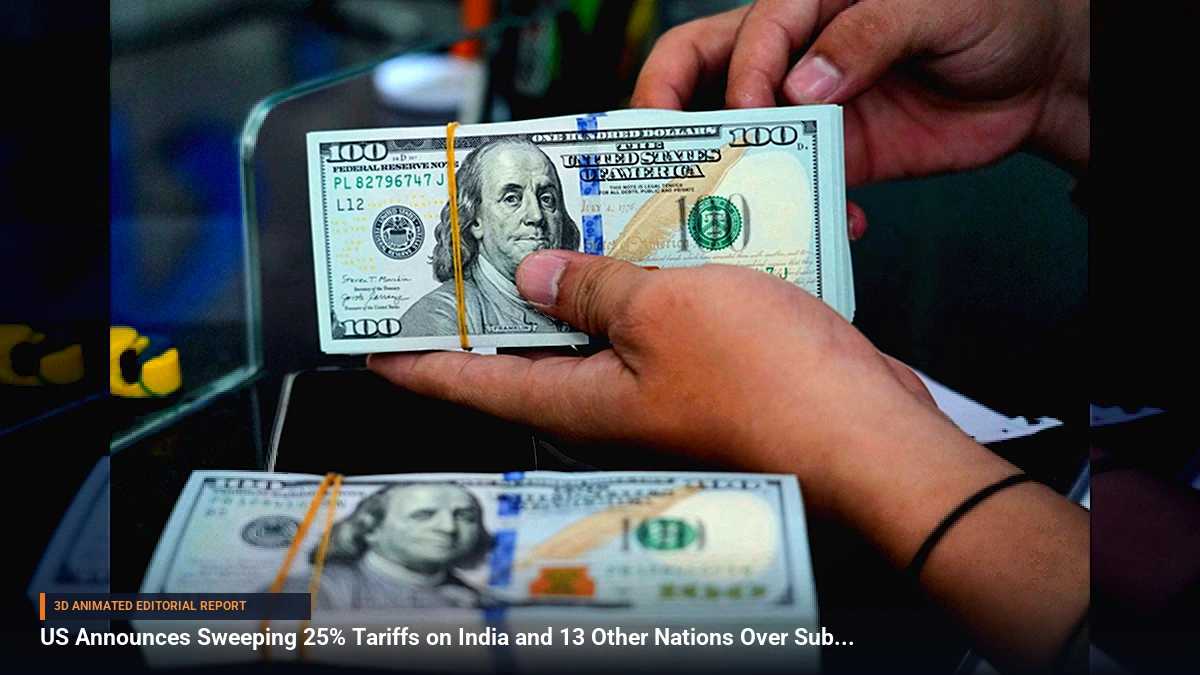
The United States has formally announced a sweeping wave of protective trade measures targeting 14 different economies accused of engaging in subsidized industrial overproduction. Among the primary targets is India, which faces a substantial 25% tariff—marking one of the steepest levies introduced in this latest round of protectionist measures. Concurrently, regional superpower China has been hit with an additional 20% duty, amplifying existing economic frictions between Washington and major global manufacturing hubs.
The announcement comes despite recent political setbacks at home, signaling an unyielding commitment by the administration to reshape international trade frameworks. Administration officials argue that aggressive state interventions and heavy domestic subsidies by foreign trade partners have flooded global markets with artificially cheap goods, severely undercutting American domestic industries.
Background & Key Context
The roots of these new trade barriers lie in long-standing grievances regarding global supply chain imbalances and state-backed manufacturing capacity gluts. For years, Washington has scrutinized foreign trade practices, particularly in Asia and emerging markets, where heavy governmental backing has enabled sectors like steel, electronics, and heavy manufacturing to scale production far beyond domestic consumption needs.
By leveraging punitive tariffs, the U.S. aims to force trade partners back to the negotiating table to address structural market distortions. Similar protectionist postures have historically been deployed as both economic levers and political tools to encourage bilateral trade agreements favorable to American manufacturing and labor interests.
Key Takeaways
- Targeted Scope: A total of 14 economies have been singled out in the administration's latest anti-subsidy tariff framework.
- India's Burden: India faces a notable 25% tariff, positioning it among the highest-impacted nations in this round of actions.
- China's Penalties: Beijing faces an additional 20% duty layered on top of existing trade restrictions.
- Core Justification: The U.S. administration cites unfair state subsidies and artificial industrial overproduction as the primary catalysts for the policy.
- Potential for Negotiation: Trade analysts suggest that some proposed tariff rates could be adjusted or lowered contingent upon successful bilateral trade deals.
Impact, Analysis & Global/National Reactions
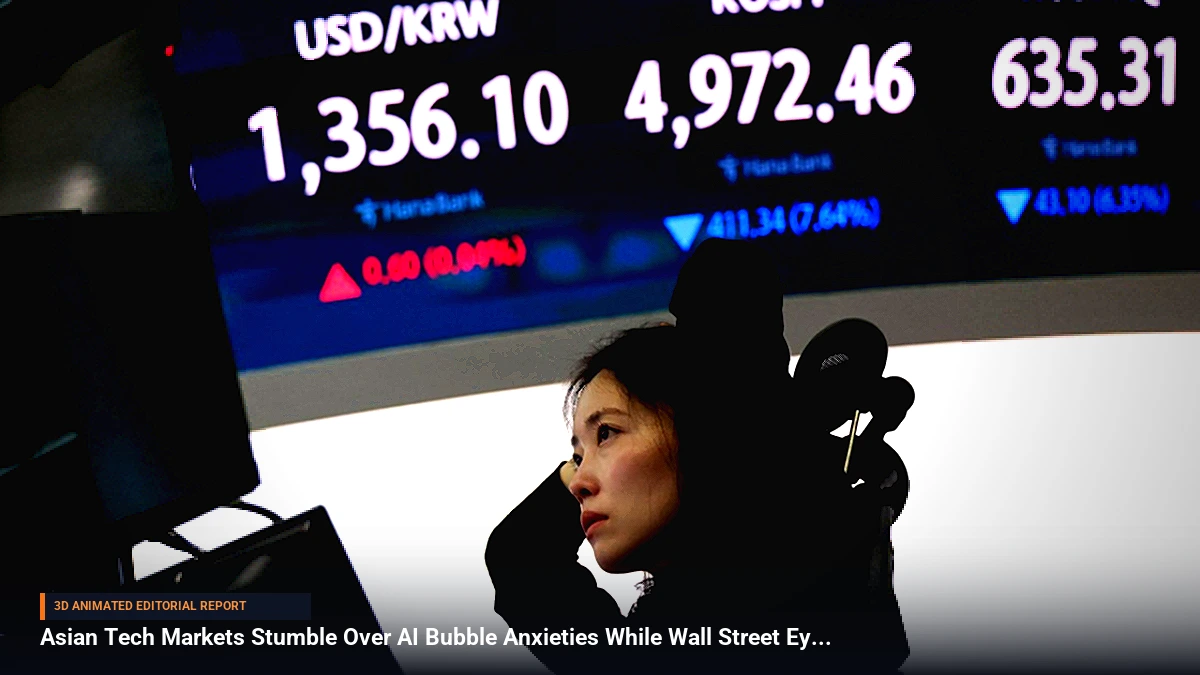
The introduction of these broad tariffs has sent ripples through global financial markets and international diplomatic circles. Economists warn that such unilateral measures risk escalating into tit-for-tat trade wars, potentially disrupting delicate post-pandemic supply chains and fueling inflationary pressures worldwide.
Developing economies heavily reliant on U.S. export markets expressed deep concern over the timing and severity of the duties. Industry representatives in India note that a 25% tariff could severely dent competitiveness in key export sectors unless diplomatic channels manage to secure exemptions or a revised trade pact. Conversely, domestic manufacturing advocates in the U.S. have applauded the move as a long-overdue defense of local industrial capacity against subsidized foreign competition.
What's Next: Looking Ahead
As the international community digests the full scope of the announcement, attention turns to how targeted nations will respond. Diplomatic negotiations are expected to intensify in the coming weeks, with foreign trade delegations seeking urgent dialogue with U.S. trade representatives to carve out exemptions or negotiate reduced rates.
Markets will closely monitor official implementation timelines and any retaliatory measures introduced by Beijing, New Delhi, or other affected capitals. Whether these tariffs serve as permanent trade barriers or tactical leverage for comprehensive bilateral trade agreements remains the central question for global commerce in the months ahead.




Be the first to comment
Start a useful conversation around this story.