
What Happened: The Core Developments
The United States administration is reportedly finalizing plans to introduce a new sweeping set of tariffs affecting 16 international trading partners. The impending trade actions follow a rigorous government probe into global excess industrial capacity, which Washington argues distorts international markets and threatens domestic manufacturing sectors.
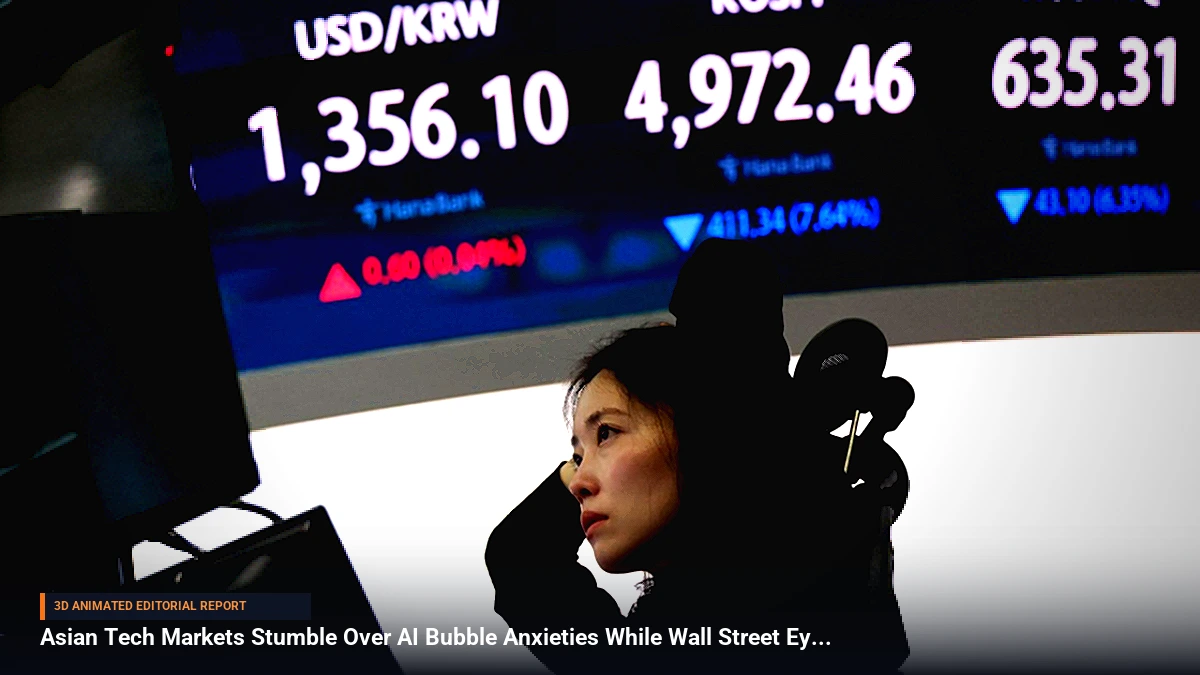
While the exact implementation timeline and precise product categories remain fluid, reports indicate that major economic powerhouses such as China, India, the European Union, and Japan are squarely in the crosshairs. The announcement has already sent ripples through global financial markets, contributing to a volatile trading environment as investors weigh the potential for escalating protectionist policies.
Background & Key Context
Concerns regarding global overcapacity—particularly in heavy industries such as steel, aluminum, and advanced manufacturing—have been a persistent friction point in international trade relations. For years, U.S. policymakers have expressed alarm over state-subsidized production outpacing global demand, driving down prices, and undercutting domestic producers.
This latest initiative represents an escalation of targeted trade enforcement. Analysts note that while these new measures are designed to shield domestic American industries from foreign supply gluts, they risk reigniting broader trade disputes reminiscent of previous multi-nation tariff battles.
Key Takeaways
- Broad Targeting: The proposed tariffs span 16 distinct trading partners, reflecting a comprehensive strategy rather than a singular bilateral dispute.
- Core Trigger: The trade actions are directly tied to findings from a government probe into excess global industrial capacity.
- Major Economies Affected: Heavyweights including China, India, the European Union, and Japan face potential exposure under the new framework.
- Global Market Reaction: Financial markets have reacted cautiously, with stock indices and tech sectors experiencing heightened volatility amid fears of retaliatory measures.
- Diplomatic Pushback: International capitals have begun responding, with Beijing characterizing the planned levies as political maneuvering.
Impact, Analysis & Global/National Reactions
The announcement has elicited varied responses from the international community. Beijing was swift to dismiss the prospective tariffs, categorizing them as political maneuvering rather than legitimate economic defense. Meanwhile, trade analysts suggest that emerging economies like India could face nuanced challenges, potentially absorbing heavier relative impacts compared to more diversified trading blocs depending on the specific sectors targeted.
Economic strategists emphasize that while these measures aim to protect domestic industrial bases, they could also disrupt integrated global supply chains, driving up costs for downstream manufacturers and consumers alike. Institutional stakeholders continue to monitor the situation closely for definitive implementation guidelines.
What's Next: Looking Ahead
As markets await official policy decrees from Washington, attention turns to how the targeted 16 nations will coordinate their responses. Stakeholders will closely watch whether affected governments pursue formal challenges through the World Trade Organization or opt for retaliatory tariffs. The coming weeks will likely clarify the exact product scope, tariff rates, and official rollout schedule, setting the tone for global trade diplomacy in the near term.





Be the first to comment
Start a useful conversation around this story.