
What Happened: The Core Developments
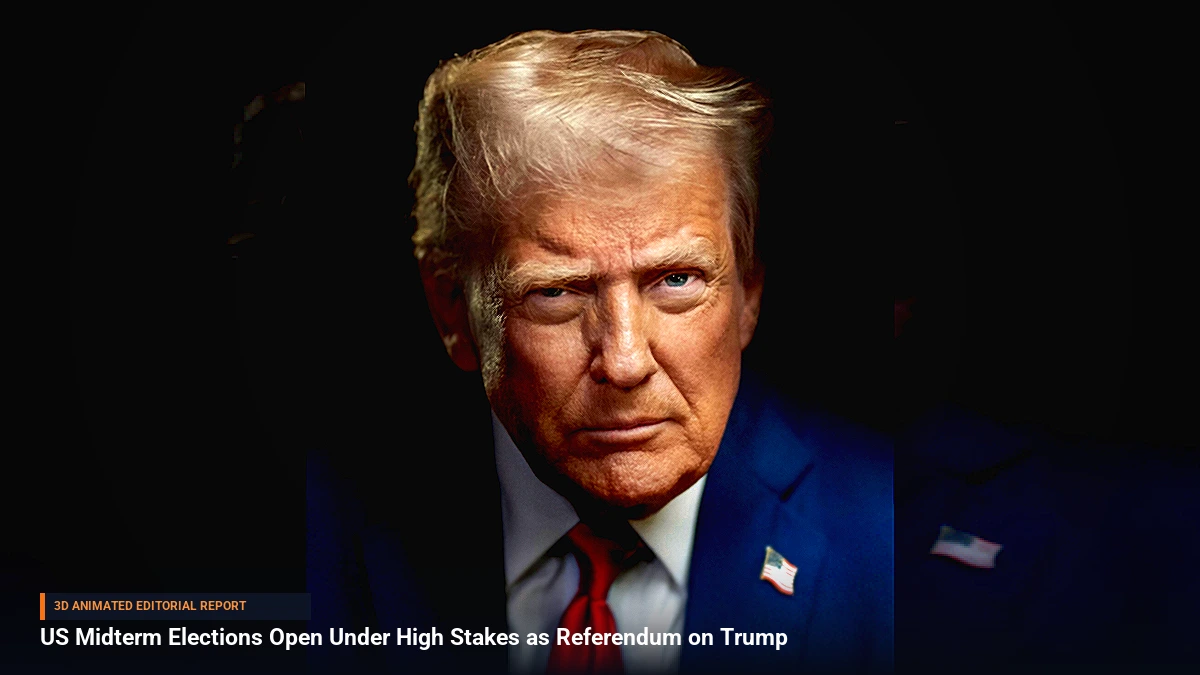
The 2026 United States midterm elections have officially kicked off, with polling stations opening across the country to decide control of Congress and key state governorships. Functioning as a direct referendum on Donald Trump's administration, the elections have drawn intense national attention and high voter turnout. As the first wave of polls prepares to close at 23:00 GMT on Tuesday, election officials warn that final certified outcomes may take hours, days, or even weeks depending on tight margins and mail-in ballot processing rules.
Campaign trails have seen frantic final pushes from both parties. In Michigan, recent polling prior to Democratic Representative Haley Stevens crossing party lines to back Republican Mike Rogers showed progressive candidate Abdul El-Sayed holding an 11-percentage-point lead in the vital US Senate race. Meanwhile, in Alaska, incumbent Republican Senator Dan Sullivan publicly announced he would accept the upcoming election outcome despite being targeted in an alleged ballot-stacking ploy by Democratic opponent Mary Peltola, who allegedly recruited a third-party candidate sharing Sullivan's name to siphon votes.
Background & Key Context
Midterm elections historically serve as a referendum on the sitting White House incumbent, and the 2026 cycle is no exception. With Donald Trump steering the national agenda, economic promises and legislative friction points have dominated local races. Just weeks before election day, the administration trumpeted a massive $15bn investment by Mesabi Metallics to construct a major steel mill near Wever, Iowa. However, local skepticism has run high due to the lack of visible construction equipment or progress, with residents questioning whether the announcement was merely a calculated pre-election maneuver.
Procedural integrity and voting security have also taken center stage. Investigations into localized ballot strategies—such as duplicate-name candidate recruitment in Alaska—have heightened tensions over electoral fairness, even as key incumbents pledge to honor the democratic process.
Key Takeaways
- National Referendum: The 2026 midterms serve as an overarching test of public approval for Donald Trump's governance and legislative trajectory.
- Battleground Volatility: Key Senate races, such as Michigan's contest between Abdul El-Sayed and Mike Rogers, remain intensely competitive and volatile until the final hours.
- Delayed Tallies: While initial results begin trickling in upon Tuesday evening's poll closures, final projections may take days or weeks due to razor-thin margins.
- Local Economic Pledges: High-profile announcements like the proposed Iowa steel mill investment highlight the strategic use of regional economic promises right before voting begins.
- Procedural Scrutiny: Incumbents like Alaska's Dan Sullivan have publicly committed to accepting results despite controversies surrounding ballot-stacking allegations.
Impact, Analysis & Global/National Reactions
The outcome of these midterms will fundamentally reshape the legislative balance in Washington, dictating the ease with which the current administration can advance its policy objectives over the remainder of its term. Political analysts note that local dynamics are heavily intertwined with national polarizing forces.
"We are seeing voters weigh immediate local economic hopes against sweeping national ideological battles," noted one senior political analyst following the final weekend rallies. Stakeholders across financial markets, labor unions, and environmental sectors are bracing for shifts in regulatory oversight depending on which party captures the House and Senate.
What's Next: Looking Ahead
As the final ballots are cast, attention shifts immediately to election night reporting and the subsequent days of provisional and mail-in ballot tabulation. Legal teams from both major political parties remain on standby in critical swing districts to challenge or defend close margins. Over the coming weeks, certified tallies will determine the ultimate balance of power in Congress, setting the stage for the legislative battles of the subsequent congressional session.






Be the first to comment
Start a useful conversation around this story.