
What Happened: The Core Developments
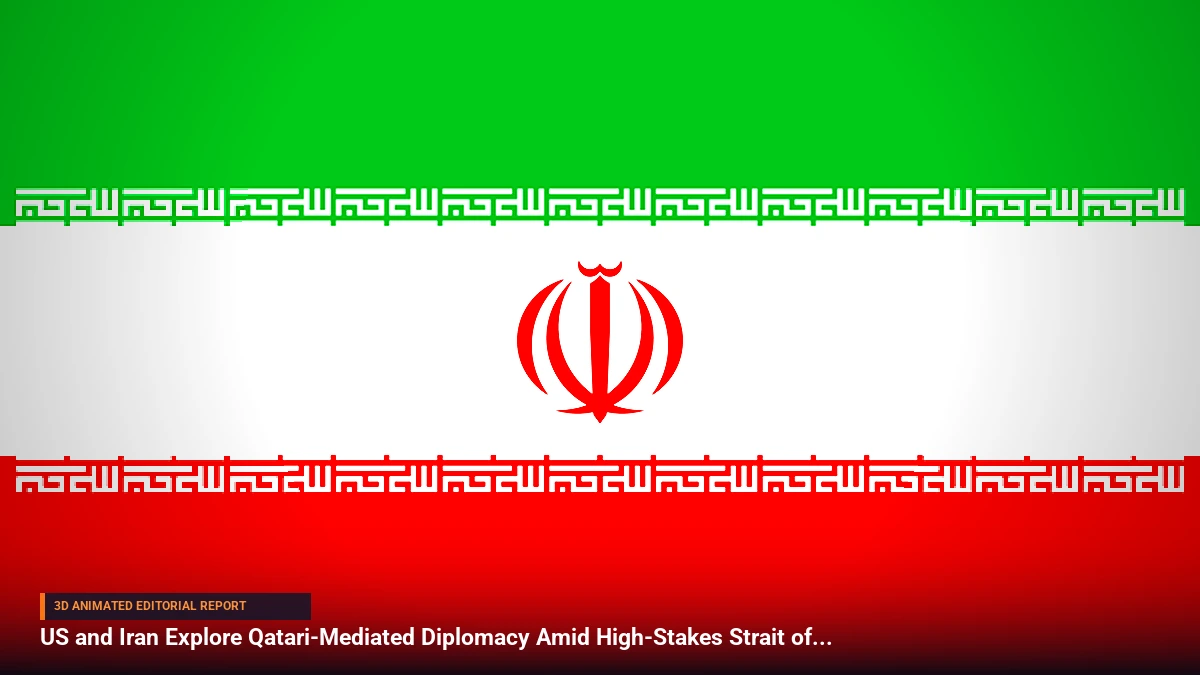
Indirect diplomatic channels have opened between the United States and Iran, with Qatari intermediaries hosting high-stakes negotiations in Doha to prevent a broader military conflict. As regional threats escalate, Tehran has signaled a willingness to restore security and reopen the vital Strait of Hormuz under specific conditions. Iranian officials indicate that maritime passage through the strategic waterway could normalize within a remarkably short two-day window if Washington accepts a newly formulated proposal.
However, the diplomatic track remains delicate and volatile. Reports indicate that Iranian delegations have departed from the immediate venue in Doha while a draft proposal for a prospective US-Iran deal continues to circulate among stakeholders. Concurrently, US President Donald Trump maintained a firm posture, publicly emphasizing that the United States still has outstanding targets to "take care of," illustrating the persistent friction between ongoing military readiness and diplomatic maneuvering.
Background & Key Context
The Strait of Hormuz serves as the world's most critical energy chokepoint, through which a significant portion of global petroleum supplies passes daily. Any disruption or threat of closure in this maritime corridor immediately triggers severe volatility in international oil markets and raises fears of direct military confrontation between Washington and Tehran. Qatar has frequently stepped into the role of a trusted neutral mediator, leveraging its diplomatic reach to bridge deep-seated distrust between the two adversaries. These current discussions represent a critical juncture in an ongoing cycle of posturing, economic sanctions, and kinetic deterrence that has defined bilateral relations for decades.
Key Takeaways
- Qatari Mediation: Doha continues to serve as the primary diplomatic bridge, hosting indirect talks between Iranian and American intermediaries.
- Strait of Hormuz Proposals: Tehran has floated a potential plan to restore security and reopen the vital shipping lane within a two-day timeframe if Washington agrees to specific terms.
- Fickle Negotiations: Iranian negotiators have exited the immediate talks in Doha even as a draft proposal for a comprehensive US deal circulates through diplomatic channels.
- Concurrent Military Posture: Despite diplomatic overtures, the United States maintains an aggressive defense stance, with President Trump explicitly stating that Washington still holds active military targets.
- Global Economic Stakes: The resolution of this standoff holds profound implications for global energy security and maritime trade stability.
Impact, Analysis & Global/National Reactions
International observers view the current Qatari-mediated talks as a narrow window for de-escalation in a region primed for conflict. Energy market analysts have closely monitored the negotiations, noting that any credible agreement to secure the Strait of Hormuz would drastically reduce shipping insurance premiums and stabilize crude oil futures. Yet, skepticism abounds regarding the durability of any provisional deal. Analysts point out that the coexistence of active backchannel diplomacy and explicit threats of military strikes creates a chaotic bargaining environment where miscalculation remains a constant threat.
What's Next: Looking Ahead
As the circulated draft proposal undergoes review by both capitals, the immediate focus shifts to whether either side is willing to compromise on critical red lines. Stakeholders will be watching for official statements from Washington regarding the proposed framework for reopening the Strait of Hormuz. Failure to reach an understanding through these Qatari-led channels could quickly close the door on diplomacy, precipitating a dangerous escalation in military hostilities across the Middle East.

Be the first to comment
Start a useful conversation around this story.