
What Happened: The Core Developments
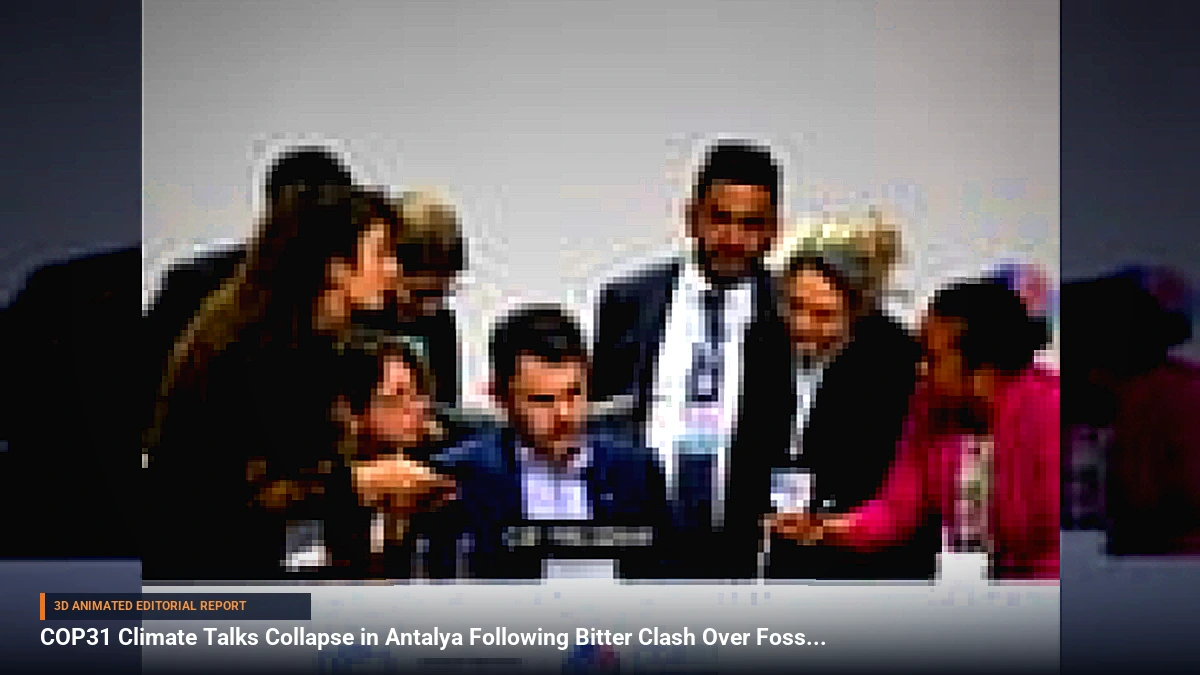
The COP31 United Nations climate summit, hosted in Antalya, Turkey, ended in historic failure after marathon negotiations broke down over a fiercely contested final text. Following weeks of intense back-and-forth discussions that stretched the conference well beyond its scheduled closing, the summit officially collapsed when key negotiating blocs rejected the overarching agreement.
The breaking point arrived when delegates reviewed a draft text that omitted any explicit reference to phasing out or transitioning away from fossil fuels. Major negotiating entities—led by the European Union, the United Kingdom, and allied developing nations—refused to back the document, branding it as a hollow compromise that ignored established climate science and facilitated the greenwashing of energy policies.
Background & Key Context
The collapse of COP31 marks a dramatic escalation in the ongoing friction between ambitious climate action blocs and resource-dependent producer states. Prior UN summits, notably COP28 in Dubai, had established historic, albeit fragile, consensus language regarding the transition away from fossil fuels in energy systems. However, as geopolitical landscapes shifted and economic pressures mounted, resistance from major oil- and gas-producing nations hardened.
Throughout the two-week conference in Antalya, tension simmered behind closed doors as delegates attempted to reconcile ambitious net-zero targets with the stark realities of energy security and economic vulnerability. These deep ideological and structural divides ultimately made COP31 the longest-ever UN climate summit in history before structural gridlock brought proceedings to a halt.
Key Takeaways
- Summit Collapse: COP31 ended without a ratified final deal following a total breakdown in consensus during overtime negotiations in Antalya, Turkey.
- Fossil Fuel Omission: The primary driver of the failure was the exclusion of any reference to fossil fuels in the final text, which progressive blocs termed an unacceptable regression.
- Major Defectors: The European Union, the United Kingdom, and several developing world partners formally rejected the proposal, preventing a weak consensus.
- Record Duration: The gathering pushed past all previous scheduling boundaries, entering the history books as the longest UN climate summit before ultimately failing.
- Defiant Stance: Leadership made it clear that signing a compromised text would only widen the dangerous gap between international promises and actual scientific requirements.
Impact, Analysis & Global/National Reactions
The failure at Antalya sends shockwaves through international climate diplomacy, raising severe questions about the efficacy of the COP framework in binding sovereign nations to planetary survival targets. Observers note that the inability to secure basic acknowledgment of fossil fuels highlights a dangerous retreat into national self-interest at a time when accelerating climate impacts demand urgent global coordination.
Speaking on behalf of the European Union, Ireland's environment minister, Darragh O'Brien, did not mince words regarding the rejected text. "It failed to meet the moment," O'Brien stated, emphasizing that the bloc "will not endorse a decision that does not respond to the science and that actually risks deepening the chasm between global commitments and the action required [by] not even mentioning fossil fuels."
Financial markets and corporate stakeholders are now left grappling with regulatory uncertainty. Without a unified global signal on fossil fuel phaseouts, national and regional carbon policies are expected to fragment further, creating a patchwork of compliance standards across different jurisdictions.
What's Next: Looking Ahead
As exhausted delegates pack their bags and depart Antalya, international climate diplomacy faces an existential reckoning. Attention will inevitably turn toward how future UN bodies plan to rebuild trust and bridge the chasm between producer states and climate-vulnerable nations.
Diplomats and policy analysts will spend the coming months dissecting the structural flaws exposed at COP31. Without profound reforms to the consensus-based model—which currently allows single blocks or producer nations to veto progress—future summits risk similar paralysis as the world moves past crucial global warming thresholds.


Be the first to comment
Start a useful conversation around this story.