
What Happened: The Core Developments
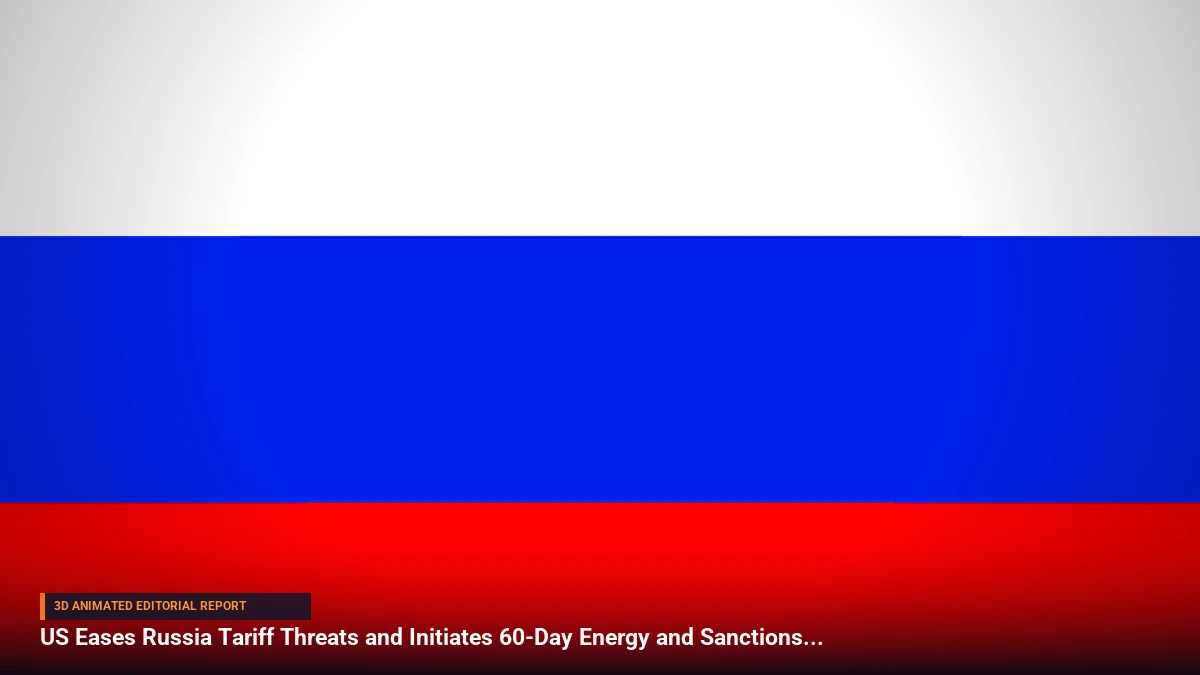
In a notable pivot in international economic policy, former US President Donald Trump has eased potential threats of imposing a staggering 100% tariff framework concerning Russia. This de-escalation comes alongside an announcement by US officials, including Marco Rubio, that the administration is implementing a 60-day pause and comprehensive review. The objective is to carefully measure the downstream impacts that existing and proposed Russia sanctions inflict on vital partners like India, as well as broader global energy market stability.
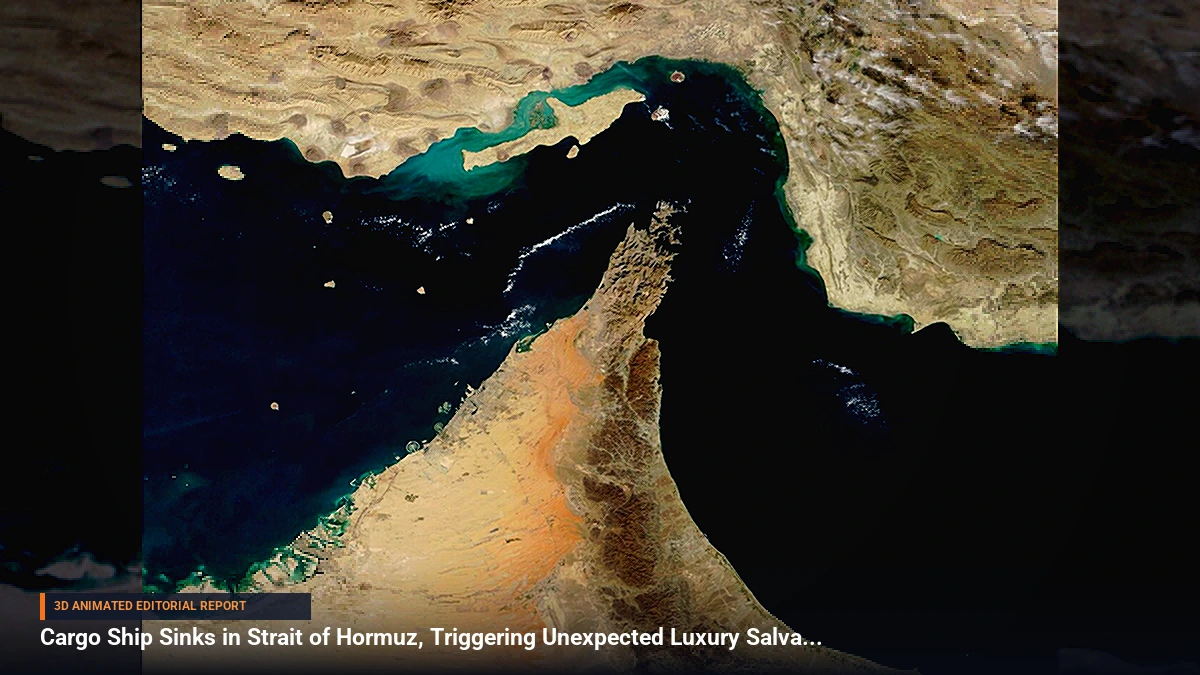
Simultaneously, broader geopolitical flashpoints have intensified. The Indian government has issued a formal advisory urging its nationals residing in Saudi Arabia to strictly adhere to local safety directives amid mounting security concerns in the region. Adding to the complex web of Middle Eastern security dynamics, Iranian officials have indicated that a proposal remains on the table to reopen the strategic Strait of Hormuz within seven days—provided the United States accepts specific undisclosed conditions. However, conflicting regional signals persist, with other military statements asserting the vital shipping lane will remain closed until Iranian rights are fully respected.
Background & Key Context
The intersection of secondary sanctions, trade negotiations, and energy security has long presented a delicate balancing act for Western allies and emerging economies alike. India, heavily reliant on diverse energy sources to fuel its rapidly expanding economy, has faced acute diplomatic pressures regarding its continued trade footprint involving Russian oil and commodities. The threat of punitive tariffs previously loomed large over bilateral trade talks, creating anxiety among exporters and policymakers.
In the Middle East, the intermittent volatility surrounding the Strait of Hormuz—a crucial chokepoint for a significant percentage of the world's petroleum supply—has continuously threatened global supply chains. Iran's conditional overtures regarding the reopening of the strait reflect ongoing diplomatic posturing amidst heightened naval and economic tensions involving Western powers.
Key Takeaways
- Tariff Relief Signal: The United States has stepped back from imposing severe 100% tariff penalties tied to trade with Russia, opening a potential pathway for renewed bilateral trade discussions with nations like India.
- 60-Day Policy Review: A formal 60-day assessment period has been enacted by Washington to evaluate how Russia sanctions affect global energy prices and allied economies.
- Exporters' Reaction: While international trade bodies and exporters have welcomed the temporary reprieve, businesses maintain diversified risk strategies as final policy frameworks remain under evaluation.
- Middle East Security Advisories: India has urged its citizens living in Saudi Arabia to exercise heightened vigilance and follow official safety directives.
- Strait of Hormuz Proposals: Iran has floated a conditional seven-day plan to reopen the vital maritime route, though conflicting statements underscore the fragility of regional negotiations.
Impact, Analysis & Global/National Reactions
The dual developments on trade and regional security highlight the intricate feedback loops governing contemporary international relations. Financial markets and trade analysts have reacted with cautious optimism to the suspension of extreme tariff threats, viewing the 60-day review window as a constructive opportunity for diplomatic engagement.
Economic commentators note that it is fundamentally challenging for emerging powerhouses like India to instantaneously decouple from established Russian energy supply chains without risking severe domestic price shocks. By acknowledging these economic realities through a structured review, US policymakers have demonstrated a pragmatic willingness to calibrate sanctions enforcement. Meanwhile, safety protocols in the Gulf and maneuvers around the Strait of Hormuz continue to keep energy traders on high alert, emphasizing that macroeconomic stability remains deeply tethered to regional security.
What's Next: Looking Ahead
All eyes will be on Washington as the 60-day review window progresses. The findings of this assessment are expected to heavily influence future regulatory exemptions, secondary sanction applications, and the trajectory of broader US-India trade agreements.
Concurrently, international observers will monitor diplomatic channels to see if the conditional proposals regarding the Strait of Hormuz gain any formal traction, or if maritime tensions will necessitate further defensive postures from global naval coalitions. Stakeholders across the energy and logistics sectors are advised to maintain flexible risk management frameworks as these multi-layered geopolitical situations continue to evolve.
Be the first to comment
Start a useful conversation around this story.