
What Happened: The Core Developments
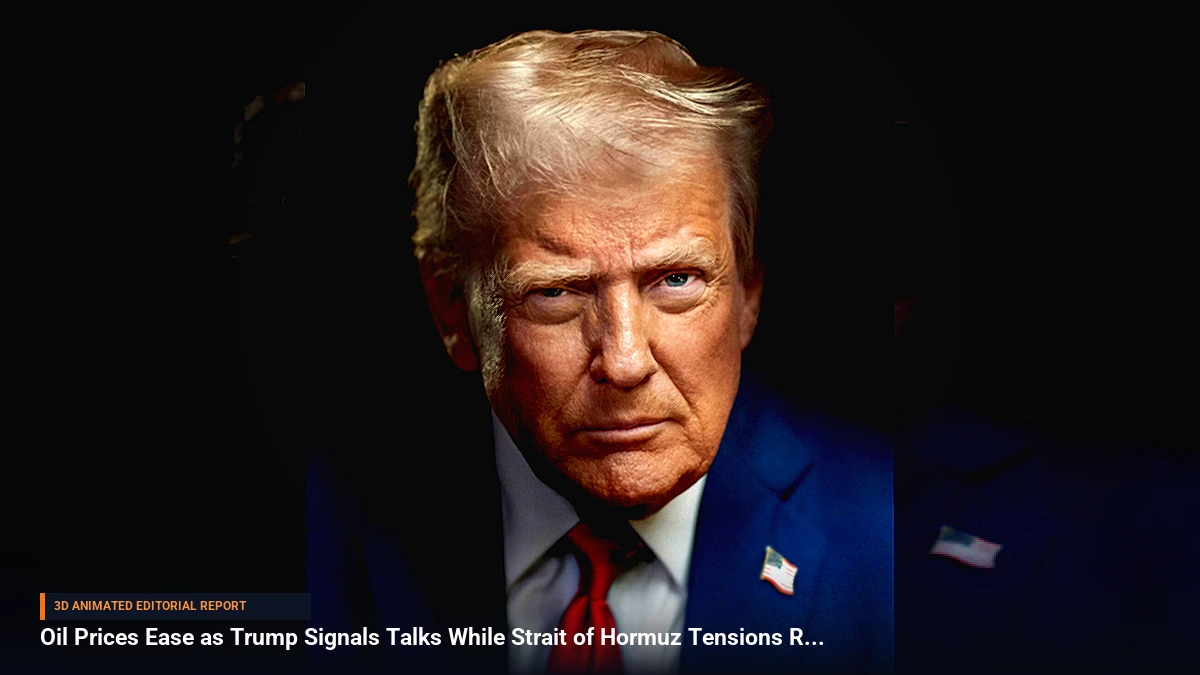
Global energy markets experienced an immediate downward correction in crude prices following statements from Donald Trump suggesting that renewed military attacks against Iran are highly unlikely if ongoing diplomatic channels show tangible progress. Despite this cooling rhetoric at the political level, the operational reality on the ground and at sea remains deeply volatile. Recent reports confirmed that multiple oil tankers caught fire in the strategic Strait of Hormuz. These incidents unfolded amid a backdrop of escalating regional strikes and conflicting claims regarding the exact cause of the maritime explosions.
While international observers monitor the tense waters of the Middle East, local actors and state media have offered divergent accounts of the damage. Iranian officials suggested that the recent blasts were not the result of direct U.S. military strikes, pointing instead to potential collisions with marine mines or localized structural hazards. Nonetheless, both regional and international monitors continue to report compromised vessels in one of the world's most vital energy transit choke points, raising urgent concerns about the security of global supply chains.
Background & Key Context
The current friction in the Strait of Hormuz represents a dangerous escalation in a long-standing geopolitical standoff involving Iran, the United States, and various international stakeholders. The Strait acts as a critical artery for the global economy, carrying a massive percentage of the world's petroleum exports. Historically, any military posturing or physical disruptions in this narrow passage trigger immediate spikes in commodity prices, supply chain anxieties, and emergency naval deployments.
Concurrently, diplomatic efforts are expanding beyond bilateral or regional channels. Reports indicate that broader international dialogues are being contemplated, with plans for high-level discussions involving global leaders such as Chinese President Xi Jinping and Russian President Vladimir Putin to address the Iranian dossier and broader regional denuclearization efforts. This multi-pronged approach underscores the delicate balance between coercive deterrence and high-stakes diplomacy.
Key Takeaways
- Market Reaction: Global oil prices retreated following assertions that further military engagement with Iran remains unlikely contingent on diplomatic progress.
- Maritime Incidents: Multiple oil tankers caught fire in the Strait of Hormuz, prompting intense international scrutiny over maritime security.
- Conflicting Reports: Iran has downplayed direct U.S. involvement in the recent blasts, attributing some incidents to marine mines.
- Global Diplomacy: Diplomatic maneuvers are widening, with planned discussions involving major international powers like China and Russia regarding regional stability and denuclearization.
- Persistent Risks: Despite the easing of oil prices, analysts warn that the underlying security environment in the Persian Gulf remains fragile and unpredictable.
Impact, Analysis & Global/National Reactions
The juxtaposition of conciliatory diplomatic rhetoric and active maritime casualties presents a complex challenge for energy markets and international policymakers. Financial analysts note that while markets momentarily exhale when leaders signal a preference for dialogue over kinetic action, the physical reality of burning tankers in the Strait of Hormuz prevents any lasting sense of security.
Energy security experts emphasize that the vulnerability of commercial shipping lanes leaves the global economy perpetually exposed to sudden shocks. Furthermore, the involvement of major global powers like Beijing and Moscow in upcoming discussions highlights the geopolitical stakes, as international allies and competitors alike attempt to navigate the crisis and secure critical energy corridors.
What's Next: Looking Ahead
As the situation unfolds, market participants and foreign policy analysts will closely watch the trajectory of the proposed diplomatic talks. The willingness of Tehran and Washington to engage in meaningful dialogue will serve as the primary barometer for whether regional tensions can be durably contained.
At the same time, naval patrols and commercial operators in the Strait of Hormuz remain on high alert. The upcoming weeks will likely determine whether enhanced diplomatic engagement can successfully mitigate the risk of accidental escalation or further maritime disruptions in this volatile economic crossroads.






Be the first to comment
Start a useful conversation around this story.