
What Happened: The Core Developments
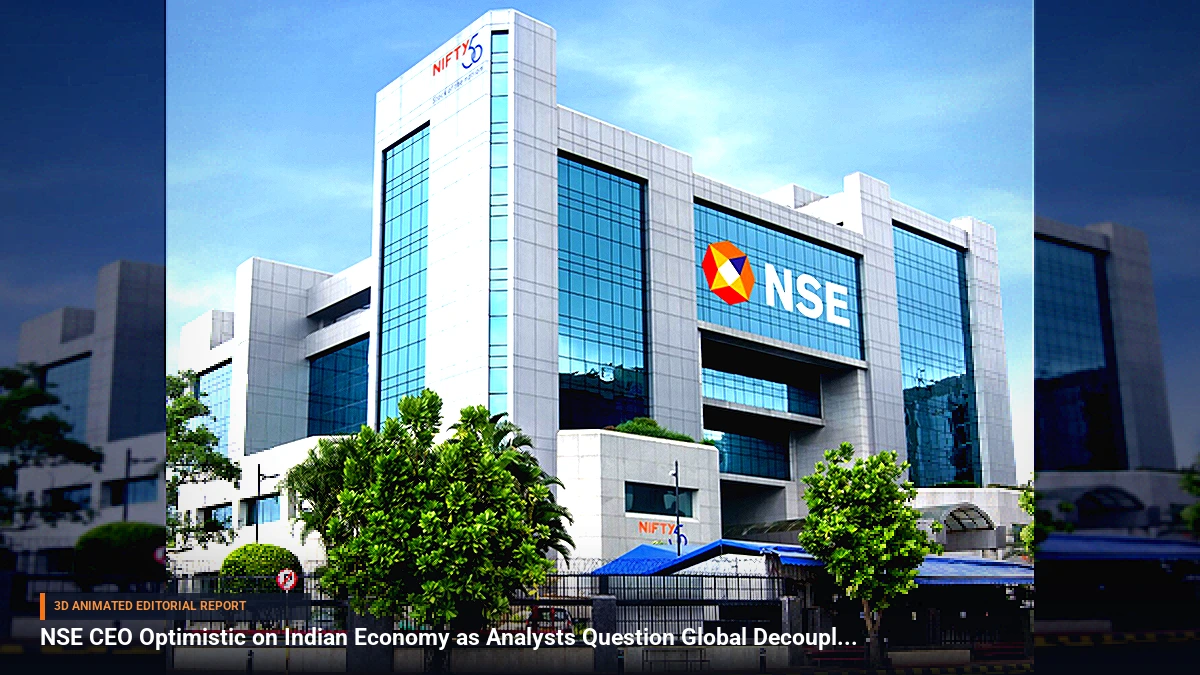
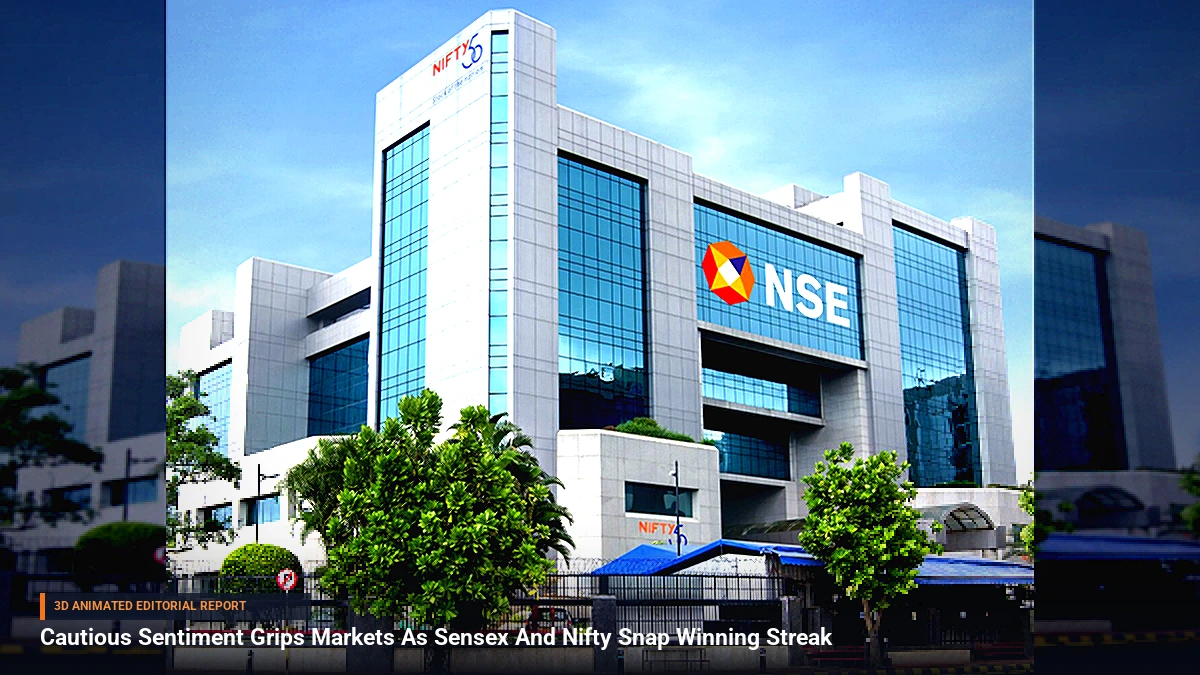
As the financial community marks the beginning of the new Samvat, leadership figures at the National Stock Exchange (NSE) have struck a distinctly optimistic chord regarding the trajectory of India's financial markets. NSE CEO Ashishkumar Chauhan publicly stated that the domestic economy is poised to accelerate its growth rate, driven by structural technological upgrades and enhanced artificial intelligence analytics designed to refine the retail trading experience.
Simultaneously, institutional data indicates that foreign capital is steadily returning to Indian markets, reinforcing confidence among domestic stakeholders. However, this upbeat domestic narrative unfolds against a backdrop of mounting tension across international financial corridors. Independent market analysts have raised persistent questions regarding the sustainability of this trend, specifically probing how long Indian equities can remain insulated from broader global equity market sell-offs and macroeconomic routs.
Background & Key Context
The traditional trading period of Samvat has historically served as a time for reflection and strategic re-alignment for Indian retail and institutional investors. In recent years, India's capital markets have experienced unprecedented retail participation, fundamentally transforming the domestic liquidity landscape.
However, this surge in retail engagement has also coincided with heightened volatility across global exchanges, driven by shifting monetary policies, geopolitical tensions, and fluctuating energy prices. While domestic institutional investors (DIIs) and retail inflows have successfully cushioned local benchmarks against external shocks for extended periods, the structural correlation between Indian indices and developed markets remains a central debate among financial strategists.
Key Takeaways
- Economic Acceleration: NSE CEO Ashishkumar Chauhan projects faster growth for the Indian economy backed by returning foreign capital inflows.
- Retail Risk Advisory: Investors have been strongly cautioned to steer clear of volatile Futures and Options (F&O) trading segments.
- Disregarding Noise: Market leadership advises retail participants to ignore unsolicited stock tips and social media speculation.
- Long-Term Horizon: A disciplined, long-term investment strategy is emphasized as the optimal approach for the new Samvat.
- Decoupling Debate: Financial analysts continue to scrutinize whether Indian markets can permanently decouple from persistent global equity downturns.
Impact, Analysis & Global/National Reactions
The divergence between domestic optimism and global caution has created a complex analytical environment for market participants. On one hand, executive leadership views technological modernization and resilient domestic consumption as robust shields for the Indian economy. Chauhan's explicit advisory against speculative instruments like Futures and Options (F&O)—along with a stern warning to ignore unverified stock tips—highlights regulatory and institutional concerns over speculative retail froth.
On the other hand, global strategists warn that prolonged international market corrections cannot leave emerging markets entirely untouched. While foreign capital inflows validate India's structural appeal, external headwinds such as persistent global monetary tightening or localized geopolitical escalations pose latent risks to domestic valuations.
What's Next: Looking Ahead
As trading progresses into the new Samvat cycle, market watchers will closely monitor foreign portfolio investor (FPI) flow data to gauge the permanence of returning capital. Key milestones ahead include upcoming macroeconomic printouts, central bank policy announcements, and quarterly corporate earnings reports, which will test whether domestic fundamentals can continue to outweigh external pressures.

Be the first to comment
Start a useful conversation around this story.