
What Happened: The Core Developments
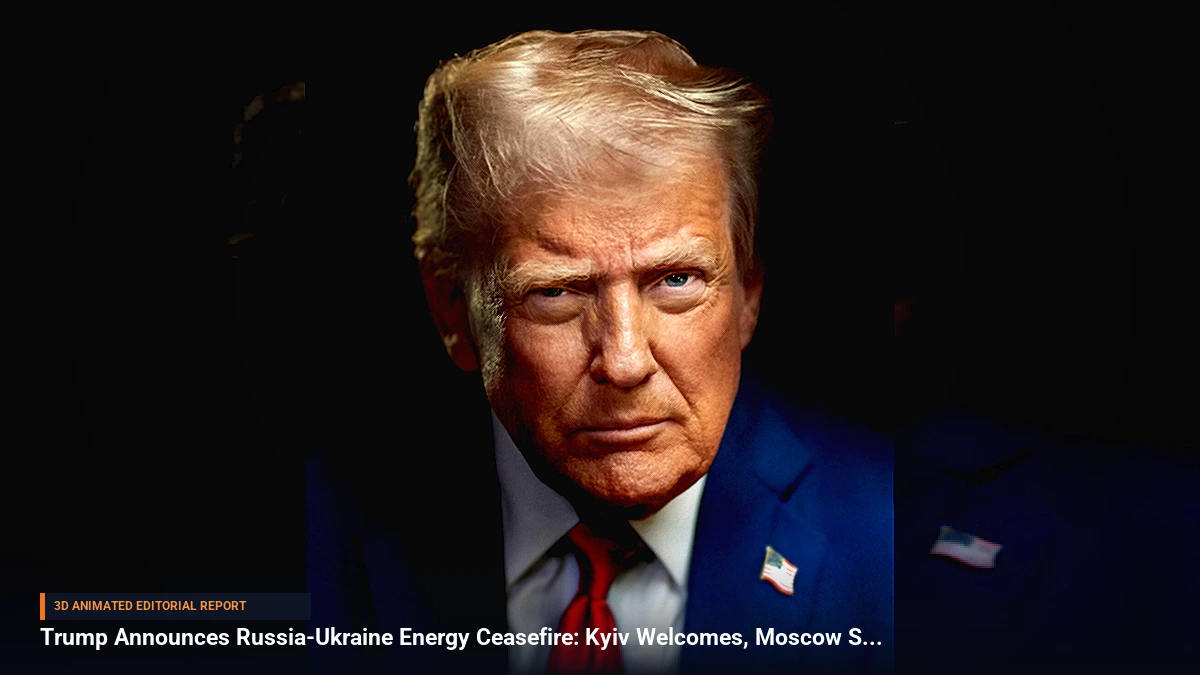
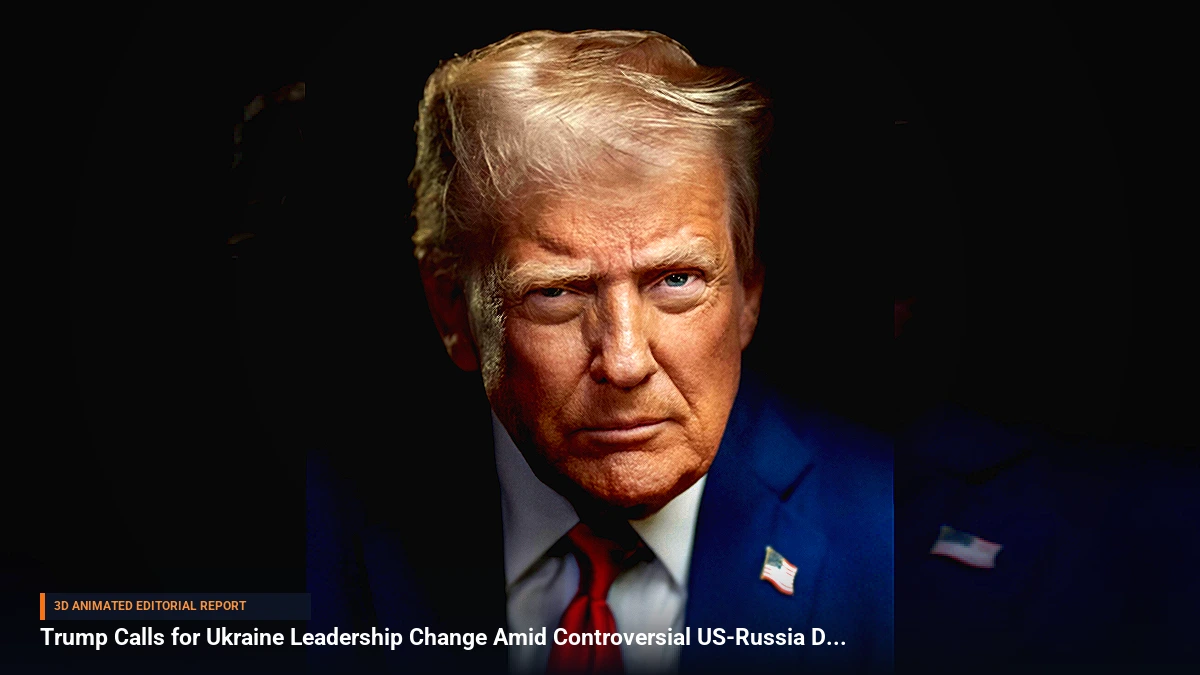
The annual high-level gathering of the United Nations General Assembly has officially commenced in New York, serving as the ultimate crucible for international diplomacy. Global leaders, diplomats, and policymakers from across the globe have converged at the UN headquarters to address an increasingly volatile international landscape. Against a backdrop of persistent regional conflicts, economic headwinds, and fractured multilateral frameworks, the assembly stands as both a forum for cooperation and a stage for fierce geopolitical positioning. High-profile political figures, notably including former U.S. President Donald Trump, have immediately commanded intense media and diplomatic focus regarding their scheduled engagements, bilateral talks, and broader foreign policy stances during the proceedings.
Background & Key Context
The United Nations General Assembly remains the premier global platform where sovereign nations convene on an equal footing to debate pressing planetary challenges. Historically designed to foster collective security, economic development, and international law enforcement, the annual general debate routinely reflects the shifting currents of global power. In recent years, diplomats have increasingly described the international order as messy, troubled, and deeply unpredictable. The structural challenges facing the UN have amplified the significance of side-line bilateral meetings, where major powers—including the United States, China, and various European and Global South nations—negotiate directly to avert crises or solidify strategic alliances.
Key Takeaways
- Global Convergence in New York: The UN General Assembly annual meeting brings together international heads of state and government ministers to deliberate on critical global issues.
- Intense Focus on Key Figures: Political leaders, prominently including Donald Trump, are at the center of intense speculation regarding who they will meet, negotiate with, or publicly challenge.
- A World in Turmoil: Veteran diplomats and international observers characterize the current geopolitical climate as uniquely unpredictable and fraught with systemic risk.
- Bilateral Dynamics: While formal speeches garner public attention, the most consequential breakthroughs or friction points often occur during closed-door bilateral sessions.
- Multilateral Strain: The debates underscore ongoing friction between traditional multilateralism and rising unilateral or transactional foreign policies.
Impact, Analysis & Global/National Reactions
The unfolding events in New York carry profound implications for international markets, security alliances, and global governance institutions. Analysts note that the positioning of key political actors like Donald Trump sets a definitive tone for how foreign governments calculate their diplomatic and economic risks. International relations experts emphasize that while the UN provides a vital megaphone for nations large and small, the polarization among permanent Security Council members often limits the organization's binding enforcement capabilities. Consequently, foreign ministries worldwide are utilizing the New York summit to test red lines, forge temporary coalitions, and signal their strategic intentions to domestic and international audiences alike.
What's Next: Looking Ahead
As the general debate schedule progresses, attention will shift toward the specific outcomes of closed-door bilateral summits and ministerial negotiations. Observers will closely monitor subsequent policy statements, trade announcements, and diplomatic communiqués emerging from New York to gauge whether the high-level dialogues translate into tangible de-escalation of global conflicts or merely serve as posturing ahead of upcoming international electoral cycles.


Be the first to comment
Start a useful conversation around this story.