
What Happened: The Core Developments
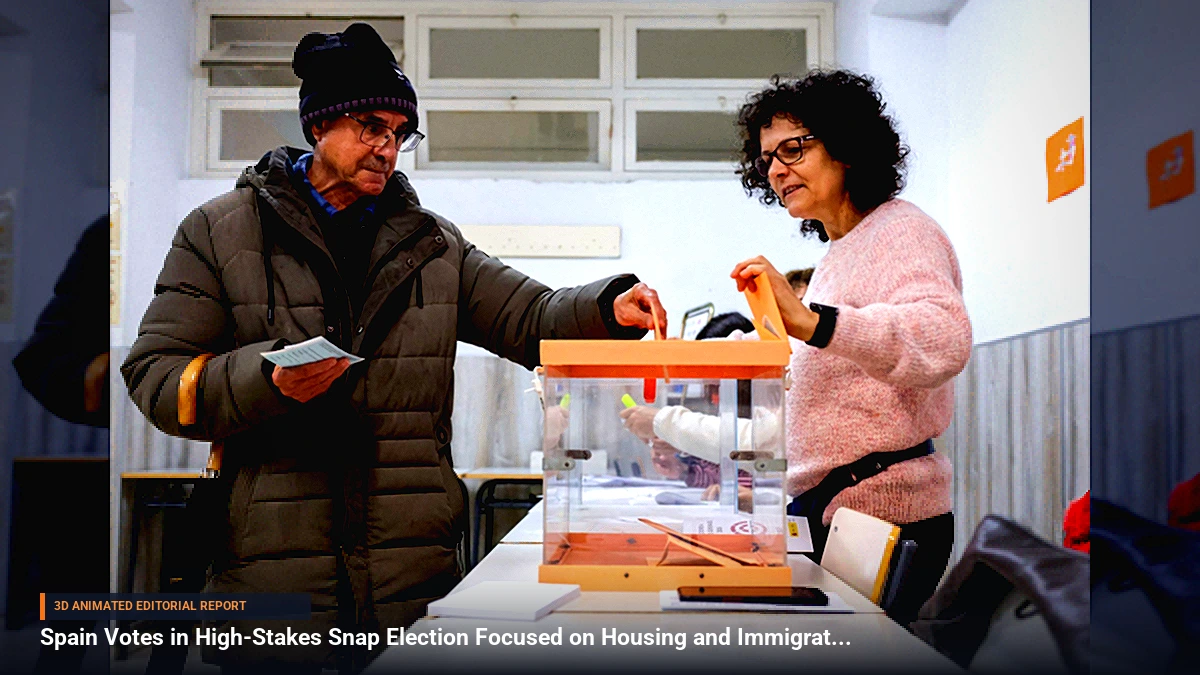
Citizens across Spain are casting their ballots in a high-stakes snap general election that carries profound implications for the nation's political landscape. The electoral contest, officially taking place on November 29, 2026, places the governing record of Prime Minister Pedro Sánchez under intense public scrutiny. Sánchez faces a formidable challenge from conservative opposition leader Alberto Núñez Feijóo, amidst a broader political climate charged with anxiety over domestic economic pressures and shifting European policy dynamics.
The atmosphere at polling stations reflects deep polarization. Observers note that the election has crystallized around two fundamentally contrasting visions for Spain's future, as millions of voters weigh the progressive agenda of the current administration against the promise of conservative reform and the rising influence of nationalist factions.
Background & Key Context
For months leading up to this unexpected electoral showdown, Spain has grappled with mounting socioeconomic challenges. Escalating housing prices—particularly in major urban centers and tourist-heavy regions—have priced many younger citizens and working-class families out of the property market, turning affordable shelter into a paramount political grievance. Concurrently, public discourse has been intensely focused on immigration, mirroring broader continental trends where migration management and border security dominate the voter consciousness.
Prime Minister Sánchez, a seasoned political survivor who has navigated numerous parliamentary battles, called the snap election to seek a renewed mandate amid these compounding pressures. However, his administration has faced relentless pressure from conservative forces led by Alberto Núñez Feijóo, who has capitalized on public discontent over inflation, cost-of-living metrics, and immigration controls.
Key Takeaways
- Snap Election Date: Voters went to the polls on November 29, 2026, in a strategically called early general election.
- Dominant Issues: The campaign was heavily defined by escalating housing crises and intense debates surrounding immigration.
- Far-Right Factor: The electoral outcome carries the realistic possibility of bringing far-right political elements into Spain's national governing coalition.
- Political Rivalry: Prime Minister Pedro Sánchez's leadership and policy record face a stern test against conservative opposition leader Alberto Núñez Feijóo.
- European Repercussions: Analysts view the Spanish vote as a bellwether for wider political shifts occurring across the European Union.
Impact, Analysis & Global/National Reactions
International observers and European Union officials are monitoring the Spanish election closely. Because Spain remains one of the bloc's major economies, any significant shift in its executive leadership—especially a transition involving right-wing or far-right coalitions—could alter regional policies on migration, fiscal discipline, and climate targets.
Political analysts emphasize that the potential inclusion of the far right in Madrid would align Spain with a growing list of European nations experiencing a conservative populist surge. Conversely, a resilient performance by Sánchez's progressive bloc would provide a vital psychological and strategic boost to center-left governance in Southern Europe.
What's Next: Looking Ahead
As the ballots are tallied, attention will immediately turn to the complex post-election arithmetic. Given the fractured nature of modern Spanish politics, securing an absolute parliamentary majority is notoriously difficult, likely necessitating intensive coalition negotiations. Stakeholders across markets and civil society will be watching to see how quickly a stable government can be formed and whether the incoming administration can deliver credible, long-term solutions to the housing and immigration dilemmas that defined the campaign trail.





Be the first to comment
Start a useful conversation around this story.