
What Happened: The Core Developments
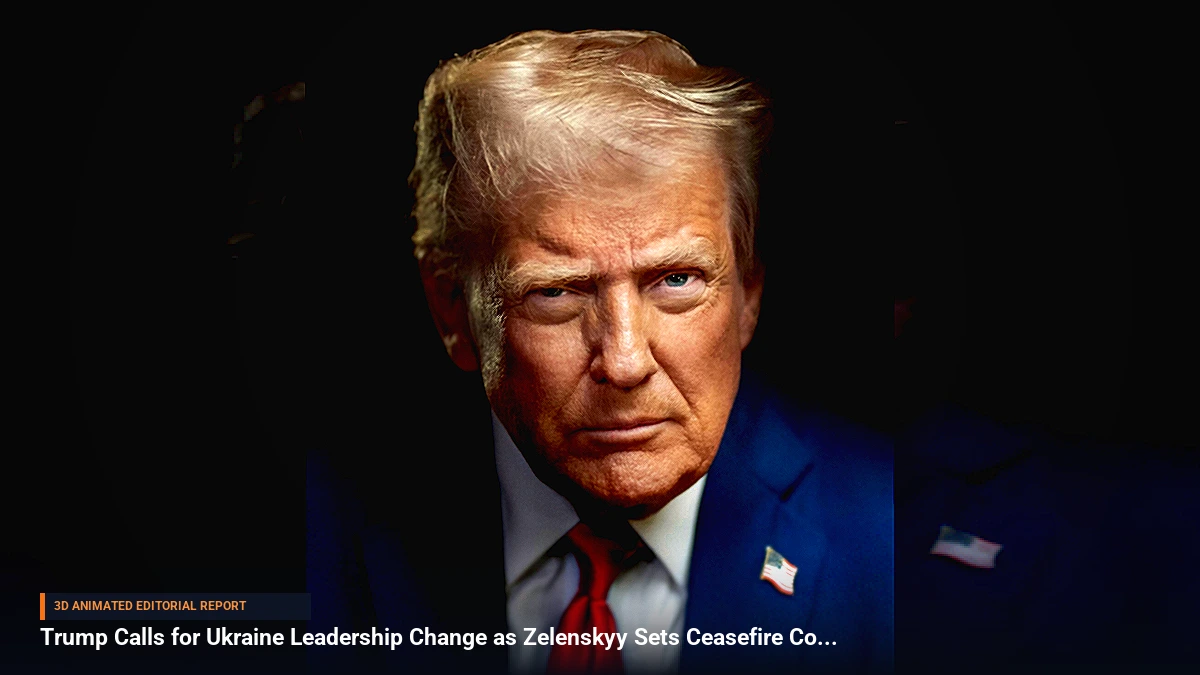
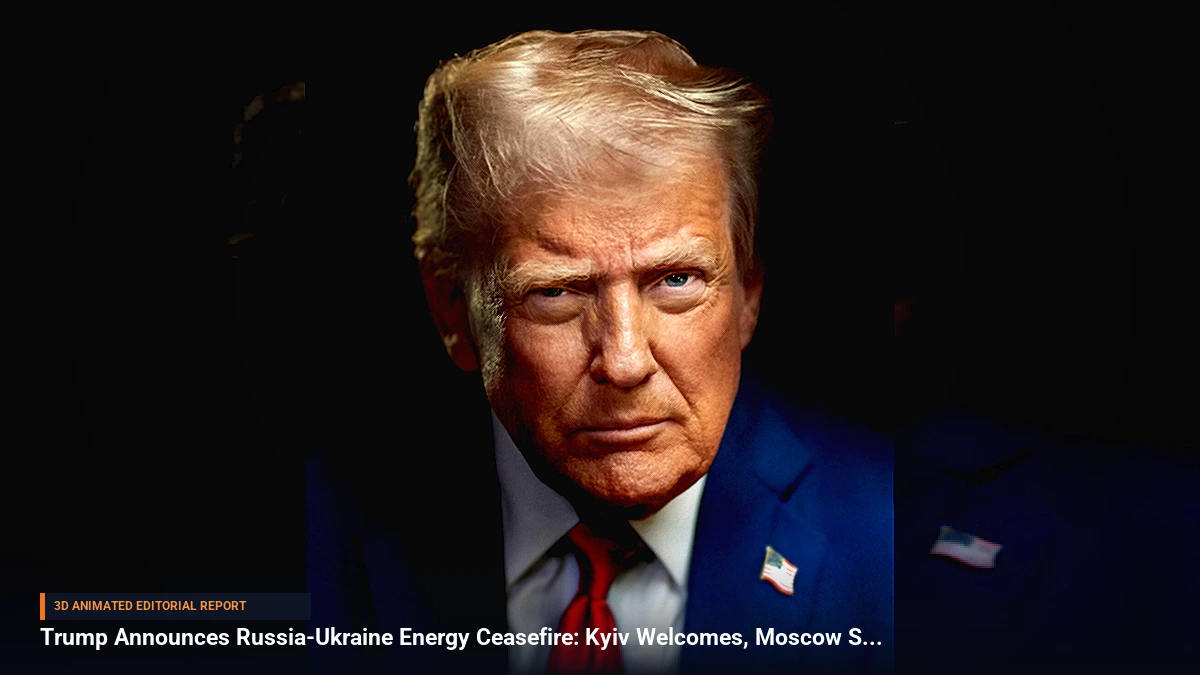
Tensions surrounding the diplomatic path to ending the conflict in Eastern Europe have intensified following recent remarks from United States President Donald Trump. In a high-profile shift in international rhetoric, Trump called for Ukraine to transition to a new leader whom he believes would be better positioned to negotiate a definitive peace agreement with Russia.
Ukrainian President Volodymyr Zelenskyy swiftly addressed these calls, outlining strict preconditions for any democratic vote. Zelenskyy stated that he is prepared to hold presidential elections in Ukraine, but only on the condition that Russia implements a verified 60-day ceasefire. The proposal comes at a critical juncture as the nation grapples with severe winter infrastructure challenges and ongoing attacks.
Meanwhile, European allies have moved to stabilize the diplomatic front. Germany has publicly reaffirmed its support for Zelenskyy, pushing back against outside pressure for his removal and emphasizing institutional continuity in Kyiv as essential for democratic defense.
Background & Key Context
The debate over Ukraine's political leadership unfolds against a backdrop of prolonged martial law, which constitutionally suspends national elections until the security situation stabilizes. Holding a nationwide vote during active hostilities presents monumental logistical, legal, and physical security challenges, particularly with millions of citizens displaced internally and abroad.
At the same time, the civilian population faces an arduous winter. Reports from the ground indicate that Ukrainians are enduring persistent electricity outages due to targeted energy grid attacks, compounding the humanitarian toll of the conflict and raising the stakes for any proposed energy ceasefires or short-term truces.
Key Takeaways
- US Political Pressure: US President Donald Trump publicly urged Ukraine to elect a new president to streamline peace negotiations with Moscow.
- Zelenskyy's Counter-Offer: Ukrainian President Volodymyr Zelenskyy conditioned any agreement to hold elections on a comprehensive 60-day ceasefire by Russia.
- European Solidarity: Germany has formally expressed strong diplomatic backing for Zelenskyy, resisting external calls for leadership change.
- Humanitarian Realities: Ukrainian citizens are currently navigating another harsh winter marked by rolling electricity outages and damaged infrastructure.
- Constitutional Hurdles: Organizing secure national elections under active martial law remains a formidable logistical barrier without a long-term cessation of hostilities.
Impact, Analysis & Global/National Reactions
The divergence between US political rhetoric and European diplomatic strategy highlights growing friction among Western allies regarding the endgame in Eastern Europe. While Washington appears focused on transactional pathways to accelerate peace negotiations, European capitals like Berlin remain deeply committed to supporting established democratic institutions in Kyiv.
Analysts note that tying elections to a 60-day ceasefire is a strategic maneuver by Zelenskyy. It places the onus of demonstrating genuine peace intentions onto Moscow while testing the viability of short-term security guarantees demanded by the international community.
What's Next: Looking Ahead
Stakeholders will closely monitor whether Moscow responds to the proposed 60-day ceasefire framework or if diplomatic channels stall further. The international community will also look for clarification from Washington and European partners on how to reconcile differing views on Ukrainian governance while addressing the urgent energy and humanitarian crises unfolding across the region.

Be the first to comment
Start a useful conversation around this story.