
What Happened: The Core Developments
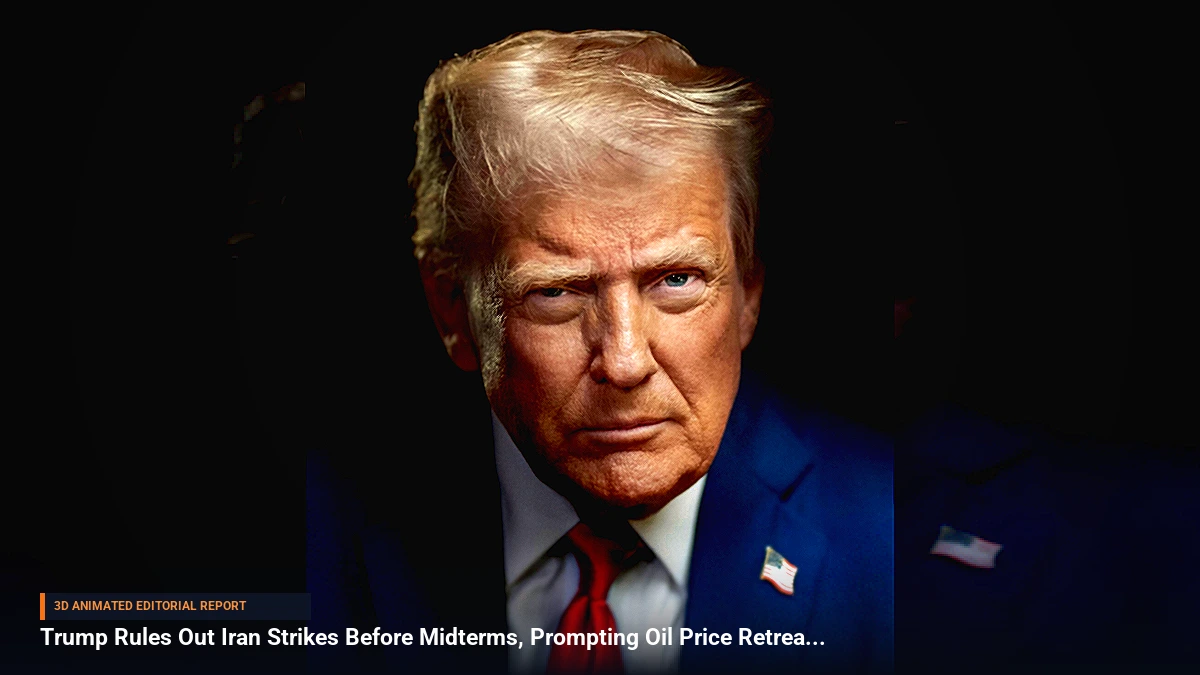
In a development that has sent ripples through both international geopolitical circles and global energy markets, it has been confirmed that the United States will not resume military strikes against Iran prior to the upcoming November 3 midterm elections. The declaration effectively establishes a temporary diplomatic and military ceasefire window, removing an immediate flashpoint that had kept defense analysts and market makers on high alert.
Following the remarks, global crude oil prices experienced an immediate retreat. Markets, which had previously priced in a high degree of risk regarding potential supply disruptions in the critical Middle Eastern shipping lanes, reacted to the lowered threat horizon by shedding some of their recent risk premiums.
Background & Key Context
The intersection of foreign policy and domestic electoral cycles is a well-documented phenomenon in modern political history. Administrations of all political stripes frequently weigh the domestic economic and political fallout of military engagements against broader strategic objectives abroad. With the November 3 midterm elections carrying massive stakes for the balance of power in Washington, avoiding volatile foreign military escalations serves a distinct domestic stabilization purpose.
Prior to this announcement, tensions between Washington and Tehran had hovered near boiling points, driving sustained volatility across commodities markets. Analysts note that any kinetic action involving Iran inherently threatens critical energy infrastructure and maritime transit routes such as the Strait of Hormuz, driving speculative surges in crude prices that directly impact consumer pump prices at home.
Key Takeaways
- Military Pause: The U.S. has explicitly ruled out initiating new military strikes against Iran prior to the November 3 midterm elections.
- Market Reaction: Global oil prices retreated sharply following the remarks as immediate supply disruption fears subsided.
- Electoral Influence: The decision underscores the profound impact domestic political timelines hold over high-stakes foreign policy and military postures.
- Post-Election Uncertainty: Markets and foreign policy observers remain focused on whether military postures will shift once the electoral hurdle has passed.
Impact, Analysis & Global/National Reactions
The immediate beneficiary of this tactical pause has been the global energy market. Commodity traders, who faced mounting anxiety over potential supply shocks compounded by overlapping threats such as regional weather disruptions, found immediate relief in the lowered geopolitical temperature.
However, financial and geopolitical analysts urge caution, noting that a delay does not equate to a resolution. While the temporary removal of military risk offers short-term economic breathing room, it raises critical questions regarding long-term strategy. Stakeholders across European and Asian capitals are closely evaluating what a post-midterm posture might look like, should the political landscape shift or the diplomatic impasse persist.
What's Next: Looking Ahead
As the calendar marches toward the November 3 midterm elections, all eyes will remain fixed on domestic polling booths and administrative messaging. Energy analysts will continue to monitor regional developments in the Middle East for any secondary indicators of changing military doctrines.
Ultimately, market participants are preparing for a potential resurgence in volatility once the electoral cycle concludes. Whether the pause in military actions proves to be a permanent pivot toward diplomatic engagement or merely a tactical delay until after ballots are cast remains one of the defining questions for global stability in the coming months.





Be the first to comment
Start a useful conversation around this story.