
What Happened: The Core Developments
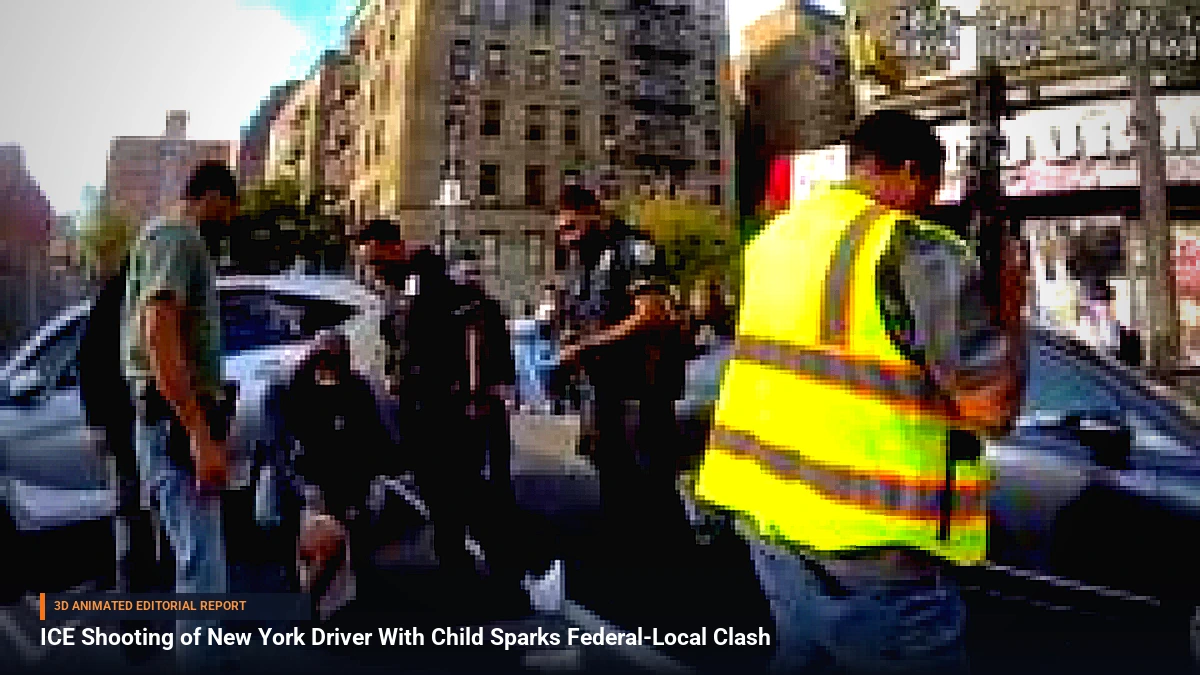
In a harrowing incident that has reignited intense national debate over immigration enforcement tactics, U.S. Immigration and Customs Enforcement (ICE) agents opened fire on a vehicle in New York City. The target of the enforcement action was Oscar Belgal, a 28-year-old man who was inside the car alongside a young child at the time of the confrontation.
Despite sustaining gunshot wounds during the encounter, Belgal survived the operation. Rather than remaining in local medical custody or New York jurisdiction, he was subsequently transferred to a detention facility located outside of the state. The presence of a minor in the vehicle has added profound gravity to the public outcry, drawing immediate scrutiny from community advocates and elected officials alike.
Background & Key Context
The episode highlights the volatile friction points surrounding federal immigration sweeps within metropolitan areas that maintain protective local ordinances. Senior federal immigration officials quickly moved to defend the tactical decisions made by their personnel, asserting that the agents fired their weapons because they felt directly unsafe during the unfolding operation.
Conversely, critics and local figures have zeroed in on the inherent dangers of executing high-risk enforcement actions in densely populated civilian areas, particularly when vulnerable minors are present. The event has also catalyzed broader political arguments regarding so-called sanctuary city policies, with conservative commentators and lawmakers utilizing the incident to push for stricter compliance and federal primacy in local jurisdictions.
Key Takeaways
- The Incident: ICE agents shot 28-year-old Oscar Belgal in New York City while a child was inside the same vehicle.
- Current Status: Belgal survived the shooting and is currently being held at an immigration detention facility outside of New York.
- Official Rationale: Senior immigration officials have publicly defended the agents' use of lethal force, claiming officers felt unsafe.
- Political Intervention: Local political figure Zohran Mamdani reportedly contacted Donald Trump directly in an unsuccessful bid to negotiate Belgal's release.
- Policy Fallout: The shooting has re-ignited fierce debates over sanctuary city frameworks and the operational protocols of federal agents in urban neighborhoods.
Impact, Analysis & Global/National Reactions
The shooting serves as a flashpoint illustrating the deep disconnect between federal immigration enforcement mandates and local political leadership. The involvement of high-profile local figures attempting direct communication with national leadership underscores the breakdown in traditional intergovernmental communication channels during crises.
Zohran Mamdani revealed that he reached out to the Trump administration in an effort to secure Belgal's release, though those negotiations ultimately proved unsuccessful. Meanwhile, federal defenders maintain that agents operate under threat environments that necessitate split-second, defensive measures. Legal experts note that the intersection of federal law enforcement immunity, local sanctuary policies, and the endangerment of minors will likely trigger comprehensive internal reviews and potential civil litigation.
What's Next: Looking Ahead
As the fallout from the New York operation continues to reverberate through political and legal circles, attention turns toward potential congressional inquiries and oversight hearings. Civil rights organizations are expected to demand full transparency regarding the operational directives that led agents to discharge firearms in close proximity to a child. Additionally, legal representation for Belgal is anticipated to challenge the legality of the detention transfer and the necessity of the force deployed, setting the stage for a protracted legal battle over federal accountability in local policing spaces.



Be the first to comment
Start a useful conversation around this story.