
What Happened: The Core Developments
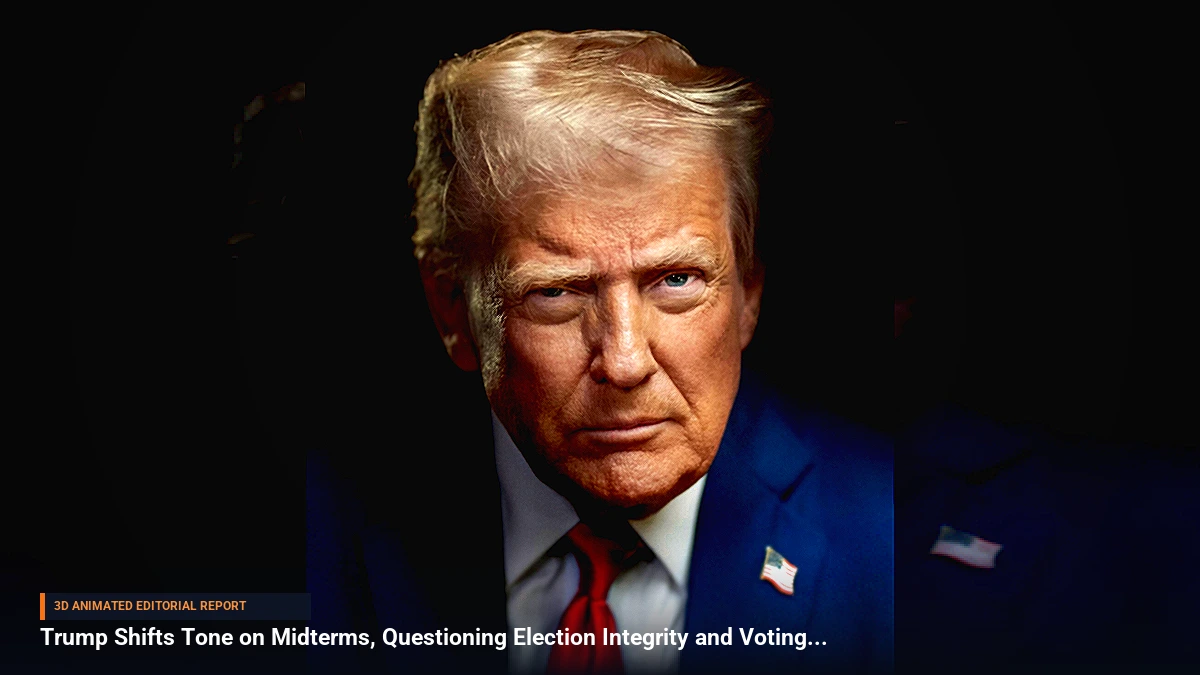
In a notable political pivot following the midterm elections, Donald Trump has shifted his stance from initial acceptance of the results to openly questioning the electoral process. Writing on Truth Social, the former president targeted early voting numbers and the technology behind ballot machines, sparking widespread discussion across national media platforms.
This development marks a sharp departure from his earlier public indications that he would accept the outcome of the democratic process. Analysts and political observers have noted that the sudden skepticism mirrors familiar rhetorical strategies deployed after previous election cycles, focusing directly on the reliability of modern voting infrastructure without providing empirical proof for the allegations.
Background & Key Context
The landscape of the recent midterms saw significant democratic gains, leading to shifts in congressional power dynamics. Initially, public reactions from political leaders, including Trump himself, suggested a measured acknowledgment of the voters' decision. However, as the final tallies solidified and the broader political implications of the legislative shifts became clear, the narrative began to evolve.
Questions surrounding early voting numbers and the deployment of electronic ballot machines have a fraught history in American politics. Over recent election cycles, these elements have frequently become focal points for candidates seeking to contextualize disappointing electoral outcomes or mobilize partisan bases by emphasizing institutional vulnerabilities.
Key Takeaways
- Rhetorical Pivot: Donald Trump transitioned from an initial posture of accepting the midterm results to aggressively questioning their legitimacy.
- Platform Used: The claims and criticisms regarding voting machines and early tallies were disseminated via Truth Social.
- Lack of Evidence: Independent observers and election officials have noted that these latest claims regarding ballot integrity remain unsupported by verifiable data.
- Political Ramifications: The statements arrive amidst a tense broader political climate involving congressional leadership transitions and ongoing legislative oversight hearings.
Impact, Analysis & Global/National Reactions
The resurgence of doubts surrounding election administration poses ongoing challenges for election officials nationwide, who continually work to reinforce public trust in certified results. Independent cyber security experts and bipartisan election administrators have repeatedly emphasized that modern voting machines undergo rigorous testing, auditing, and certification processes to prevent tampering.
Political analysts suggest that while such rhetoric can energize dedicated political bases, it simultaneously deepens institutional polarization. Stakeholders across both major political parties continue to monitor how these narratives influence public perception as the nation looks ahead to future legislative sessions and upcoming election cycles.
What's Next: Looking Ahead
As the political fallout from the midterm elections settles, attention turns toward how legislative bodies will handle ongoing oversight and administrative security. Election administrators across various states are expected to continue educational campaigns aimed at transparently explaining early vote processing and machine verification safeguards to restore confidence among skeptical voters.






Be the first to comment
Start a useful conversation around this story.