
What Happened: The Core Developments
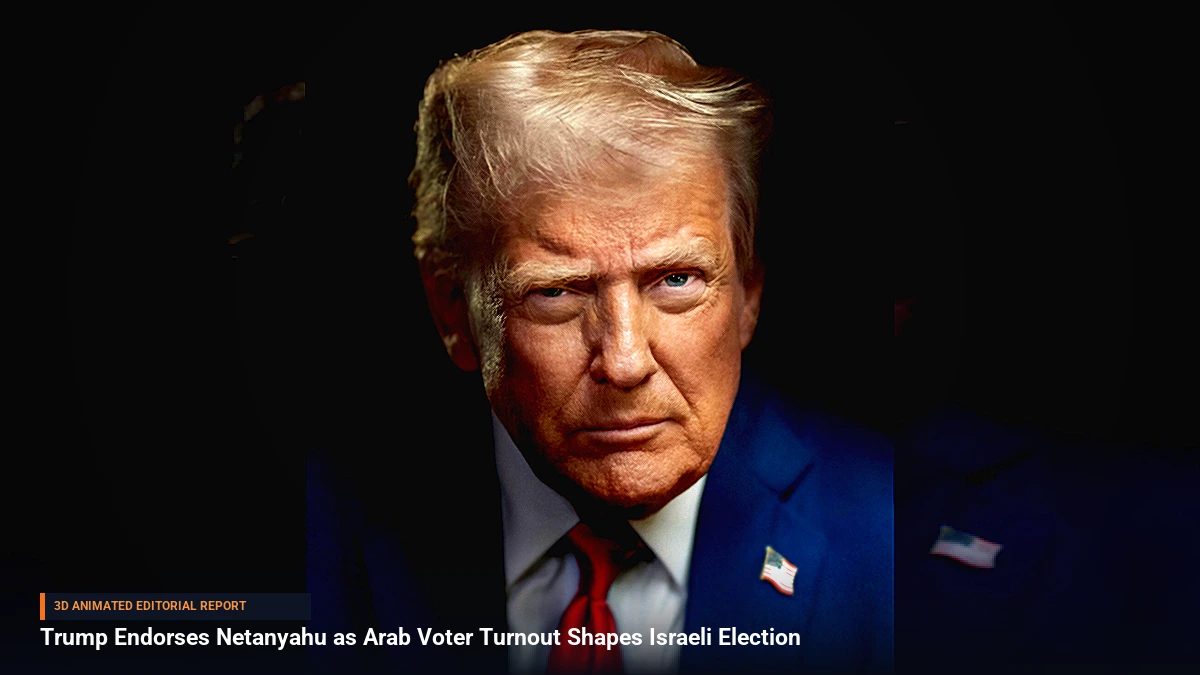
The political landscape leading up to the Israeli elections has intensified dramatically following a high-profile endorsement of Prime Minister Benjamin Netanyahu by US President Donald Trump. This external intervention brings a fresh dynamic to an already polarized electoral battleground, where the incumbent leader fights to cement a stable Knesset majority.
Simultaneously, electoral analysts and domestic polling data highlight that the Arab voter turnout will be a critical linchpin. The mobilization—or potential apathy—of Arab communities across Israel could decisively tilt the scales, effectively making or breaking Netanyahu's coalition ambitions.
Background & Key Context
Benjamin Netanyahu’s political career has long been defined by fierce polarization, shifting coalition dynamics, and high-stakes foreign alliances. The latest electoral cycle occurs against a backdrop of deeply fragmented legislative blocs struggling to secure the magical 61-seat threshold required for a governing majority in the Knesset.
Historically, right-wing and religious blocs led by Netanyahu have maintained a contentious relationship with Israel's Arab minority population. In past cycles, fluctuating participation rates among Arab voters have directly influenced the size of the opposition and the viability of right-wing coalitions. Trump's intervention echoes previous historical moments where American presidential involvement played an overt role in shaping Israeli political discourse.
Key Takeaways
- High-Profile Endorsement: US President Donald Trump has thrown his political weight behind Benjamin Netanyahu in the midst of a critical electoral campaign.
- The Arab Vote Factor: Electoral turnout among Arab citizens is projected to be a decisive factor, capable of undermining or securing Netanyahu's coalition blocks.
- Knesset Fragmentation: Polling indicates that competing blocs are locked in a tight race, struggling to establish a stable and definitive majority.
- Geopolitical Resonance: Foreign endorsements highlight the international stakes involved in domestic Israeli legislative elections.
Impact, Analysis & Global/National Reactions
The intersection of external superpower endorsements and fierce domestic identity politics has transformed the election into a referendum on leadership, polarization, and representation. Supporters of Netanyahu argue that strong international alliances underscore his unmatched diplomatic competence. Conversely, critics contend that external interference sidelines vital domestic concerns, such as economic strain and social inequality.
Political analysts note that the focus on Arab voter participation reflects a broader recognition of minority political agency. While right-wing factions mobilize their bases through nationalist messaging, opposition and community leaders are pushing hard to drive up Arab turnout to challenge the current establishment and alter the balance of legislative power.
What's Next: Looking Ahead
As the election date rapidly approaches, campaign strategies on all sides will likely pivot toward intense grassroots mobilization. For Netanyahu's campaign, maximizing base turnout while navigating the repercussions of foreign endorsements will be paramount. For Arab sector leadership, the challenge remains overcoming historical disillusionment to convert potential voting power into tangible political representation within the Knesset.


Be the first to comment
Start a useful conversation around this story.