
What Happened: The Core Developments
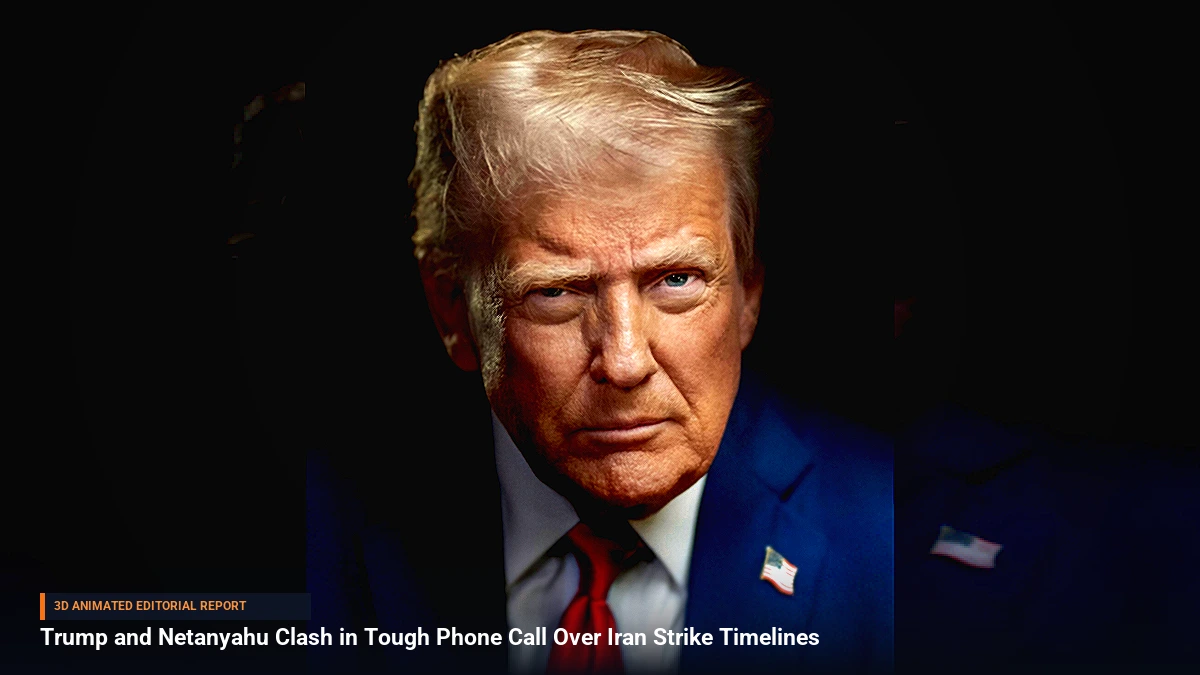
Recent high-level diplomatic communications between Washington and Jerusalem have hit a tense note. According to recent reports, Donald Trump and Israeli Prime Minister Benjamin Netanyahu engaged in a notoriously difficult and challenging phone call focusing squarely on the timing of fresh military operations against Iran.
While both leaders share a common objective regarding countering Iranian regional influence, the debate centers heavily on when and how to execute further escalatory measures. Reports indicate that these strategic discussions are unfolding against a backdrop of targeted actions, including recent U.S. defensive operations and strikes on strategic Iranian locations such as Qeshm Island in the Strait of Hormuz. Despite these kinetic engagements, friction remains palpable over whether aggressive posturing should be fast-tracked or carefully calibrated to manage broader geopolitical fallout.
Background & Key Context
The friction between the United States and Israel regarding Iran is deeply rooted in decades of strategic alignment complicated by shifting domestic and international political realities. Netanyahu has consistently advocated for a hardline stance to neutralize perceived existential threats emanating from Tehran's nuclear and regional ambitions.
On the other side, the U.S. administration navigates a complex matrix of domestic political considerations—including the strategic timing around midterms—and broader diplomatic objectives. While Washington has demonstrated a willingness to utilize targeted military power to secure critical shipping lanes and deter hostile maneuvers, American leadership has simultaneously emphasized an interest in mitigating the risk of a full-scale, catastrophic regional war that could destabilize global markets and strain military resources.
Key Takeaways
- High-Stakes Diplomacy: A recent "tough" phone call between Donald Trump and Benjamin Netanyahu highlighted deep disagreements over the execution timeline for fresh strikes against Iran.
- Strategic Disconnect: While Israel pushes for aggressive, post-midterm military measures, U.S. officials are balancing these desires with efforts to talk down wider war risks.
- Targeted Operations: Recent military developments feature localized engagements, including U.S. strikes on Qeshm Island and defensive maneuvers in the Strait of Hormuz.
- Global Economic Ripples: International markets, particularly oil prices, continue to react swiftly to any signals of escalating military friction in the Persian Gulf.
- Conflicting Narratives: U.S. officials maintain a dual posture of deterrence alongside stated desires to manage or peacefully conclude conflicts, contrasting with Israel's immediate security imperatives.
Impact, Analysis & Global/National Reactions
The unfolding disagreement has triggered intense scrutiny from international relations experts, defense analysts, and global markets. Energy markets have experienced volatility, with oil prices ticking upward following reports of kinetic activity in the Strait of Hormuz and surrounding islands.
Analysts note that while the US-Israeli alliance remains fundamentally intact, tactical divergences can create vulnerabilities that adversaries might attempt to exploit. Public statements from officials like Marco Rubio emphasize that the administration ultimately seeks a sustainable resolution, even as both Washington and Tehran prepare contingency plans. Meanwhile, regional actors are closely monitoring the friction, calculating how a potential rift in alliance coordination might alter the strategic calculus in the Middle East.
What's Next: Looking Ahead
As tensions simmer, diplomats and intelligence communities will closely watch for any concrete shifts in operational posture from either Washington or Jerusalem. Key focus areas moving forward include:
- Intelligence Appraisals: Ongoing assessments regarding Iranian military readiness and proxy network responses.
- Diplomatic Channels: Behind-the-scenes negotiations aimed at harmonizing the strategic timelines of both allied nations.
- Market Monitoring: Continued vigilance across global commodity and energy markets sensitive to Persian Gulf security dynamics.
- Political Developments: How domestic political milestones and upcoming policy addresses influence executive decision-making regarding Middle Eastern foreign policy.



Be the first to comment
Start a useful conversation around this story.