
What Happened: The Core Developments
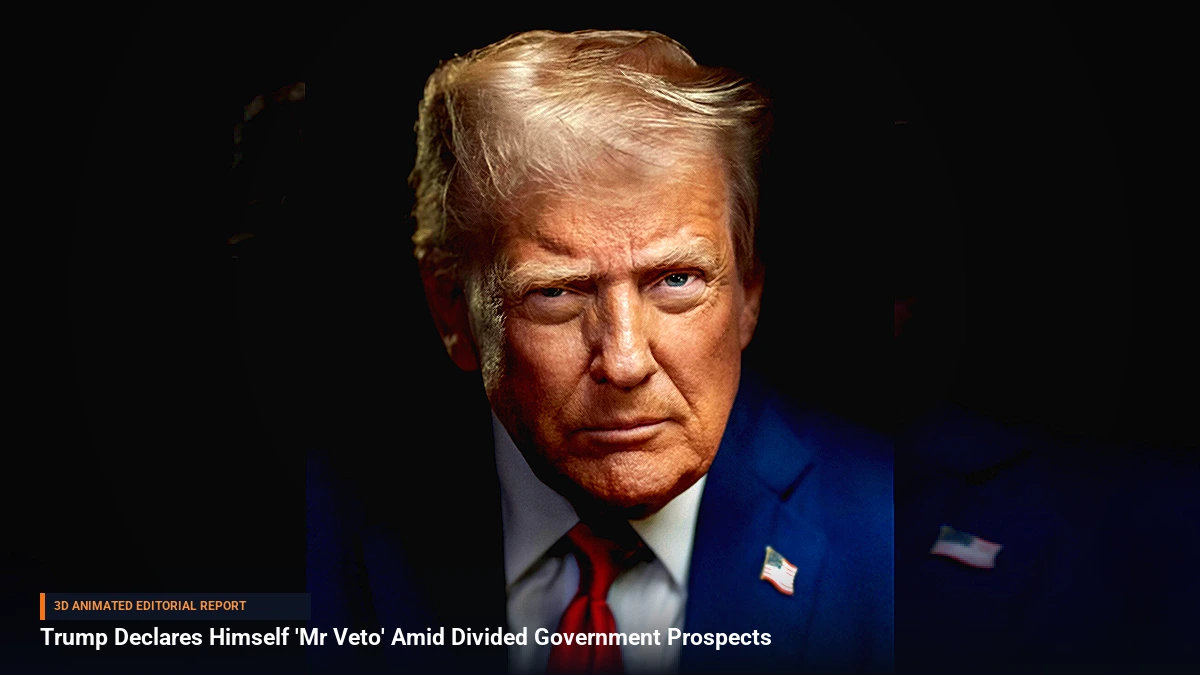
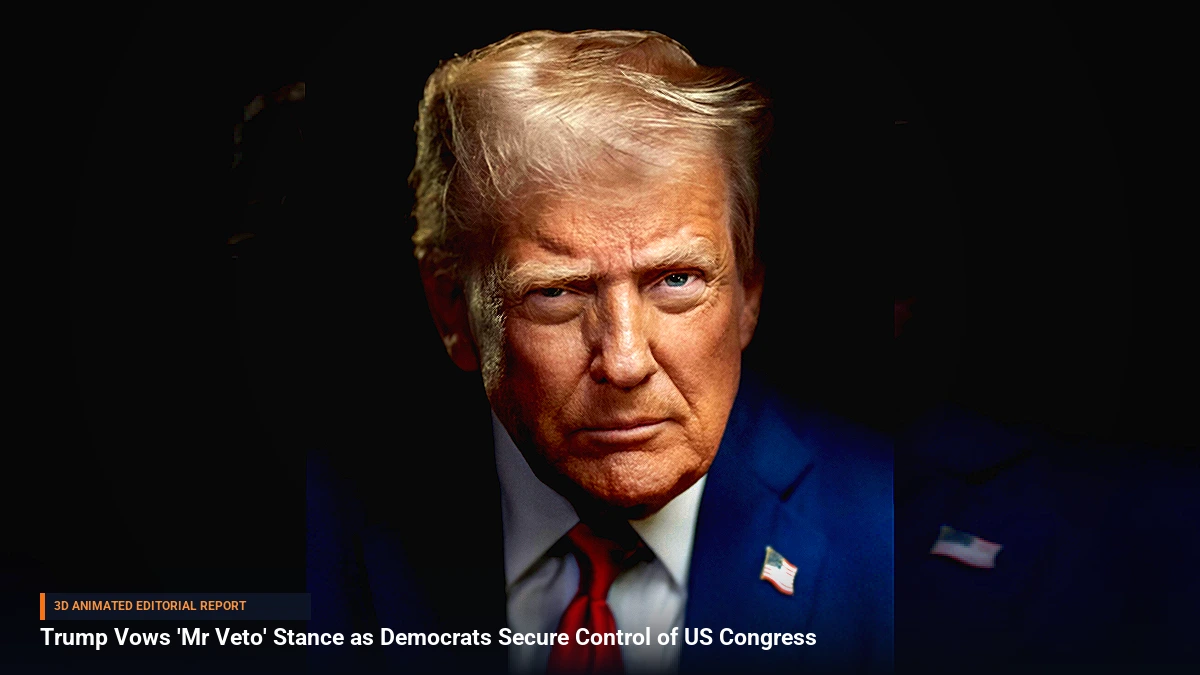
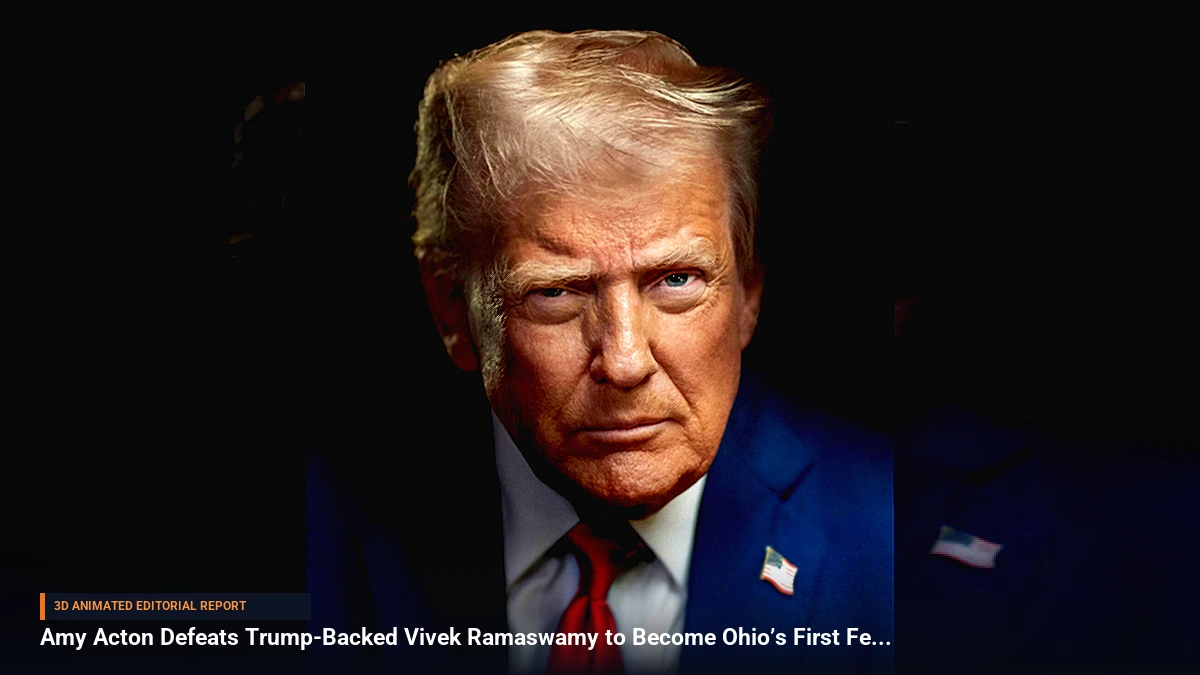
In the face of shifting political dynamics and potential legislative majorities shifting toward the opposition, former U.S. President Donald Trump has staked out a combative stance. Explicitly stating his readiness to deploy "tremendous powers," Trump announced plans to serve as "Mr Veto" should Democrats capture control of Congress. Reports indicate that political and policy teams within his orbit have already begun mapping out strategic pathways to govern effectively without congressional cooperation, setting the stage for institutional friction.
This defensive posture underscores the perennial tension inherent in divided government. Rather than pivoting toward legislative compromise, the executive framework being contemplated relies heavily on unilateral tools, administrative rule-making, and constitutional roadblocks to advance policy goals and neutralize opposition legislation.
Background & Key Context
The framework of the United States Constitution purposefully establishes checks and balances between the legislative branch and the executive branch. The presidential veto is one of the most potent instruments designed into Article I, Section 7 of the Constitution, allowing the executive to reject bills passed by both the House of Representatives and the Senate.
Historically, modern administrations facing hostile congressional majorities have frequently leaned on executive orders, regulatory revisions, and emergency declarations to bypass legislative stalemates. However, pushing governance outside the traditional legislative process often triggers prolonged legal challenges, testing the boundaries of administrative law and the separation of powers before the federal judiciary.
Key Takeaways
- The 'Mr Veto' Pledge: Donald Trump explicitly committed to wielding presidential veto authority aggressively if Democrats assume control of Congress.
- Executive Bypass Strategies: Administration planners have reportedly outlined operational routes to govern and implement policy objectives without active congressional backing.
- Constitutional Friction: The impending dynamic heightens the probability of institutional gridlock, increasing reliance on executive orders and administrative mandates.
- Separation of Powers Test: A heavy reliance on unilateral executive actions is guaranteed to face intense scrutiny and legal challenges in the federal court system.
Impact, Analysis & Global/National Reactions
Political analysts note that a strategy centered entirely around veto threats and unilateral governance radically alters the traditional rhythm of policymaking. While appealing to a base desiring immediate policy outcomes, it risks deep systemic polarization and legal uncertainty for regulated industries, federal agencies, and international partners relying on stable U.S. statutory frameworks.
Constitutional scholars emphasize that while the executive branch holds formidable negative power through the veto—which requires a difficult two-thirds supermajority in both chambers of Congress to override—it inherently struggles to craft enduring, long-term national funding or transformative legislative packages without congressional concurrence. Stakeholders across various economic sectors are already assessing how potential executive bypass tactics could alter regulatory compliance, trade policies, and budgetary allocations.
What's Next: Looking Ahead
As election cycles progress and the composition of the next Congress becomes definitive, attention will pivot toward legislative showdowns and executive appointments. Observers will closely monitor whether the administration transitions from rhetoric to active implementation of its executive-governance blueprint. Concurrently, legal watchdogs and opposition lawmakers are expected to prepare preemptive legislative counters and courtroom strategies to contest any perceived overreach of executive authority.
Be the first to comment
Start a useful conversation around this story.