
What Happened: The Core Developments
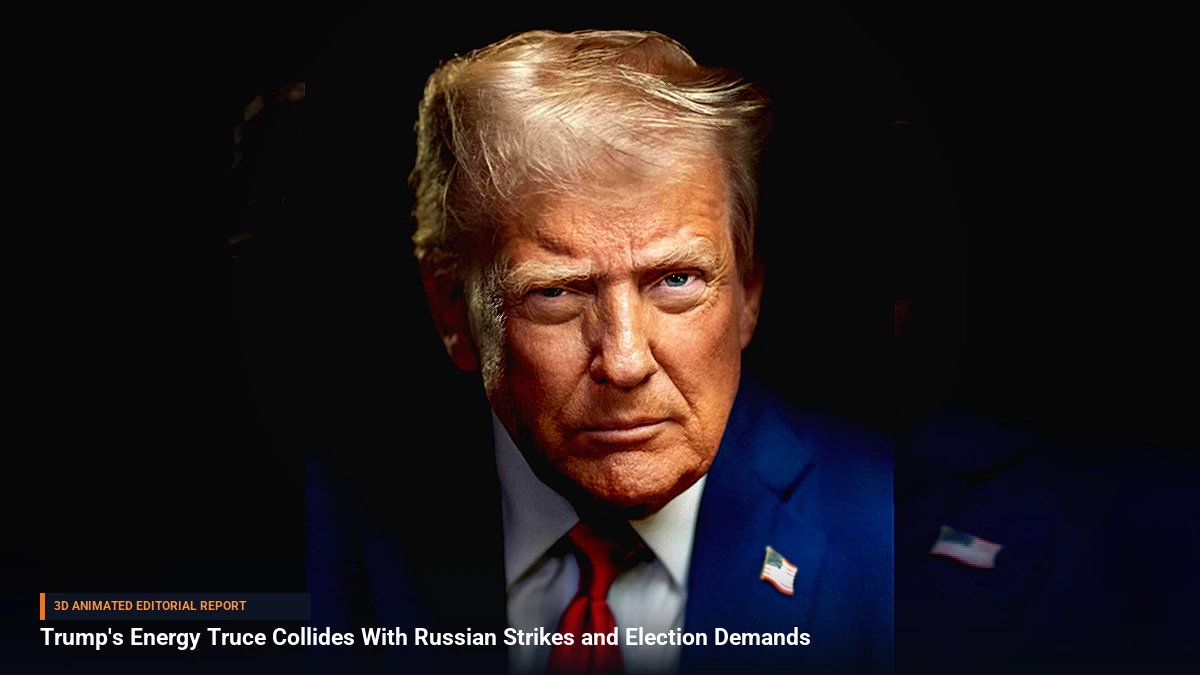
The standoff between the Trump administration and major American news organizations has escalated dramatically, transforming into a full-scale constitutional battle over press freedom and government accountability. The friction intensified when President Donald Trump abruptly barred journalists from CNN, MS NOW, and Politico from entering White House grounds, citing what he characterized as a persistent barrage of purposely negative reporting.
The immediate logistical fallout was stark. During a high-profile midday ribbon-cutting ceremony for a new White House helipad, traditional independent broadcast pools were absent. While the White House attempted to fill the vacuum by providing its own official livestream, technical issues rendered the president's remarks entirely inaudible over the thunderous roar of helicopter engines. The blackout underscored the practical risks of restricting independent journalistic access to executive events.
Tensions spilled onto the international stage during the United Nations general gatherings. President Trump publicly confronted CNN anchor Kaitlan Collins, directly admonishing her with the remark, "You should not be here covering me." Despite the personal and institutional hostility, affected news networks have dug in their heels, moving from passive protest to active legal and professional resistance.
Background & Key Context
Access disputes between presidential administrations and the fourth estate are a recurring feature of American politics, but the systematic banning of multiple recognized news outlets marks a radical departure from standard protocols. Historically, disputes over pool access or hostile press conferences have been managed through administrative negotiations or White House Correspondents' Association mediations rather than outright physical bans.
The administration's latest move targets specific networks that have maintained critical editorial stances. By shutting out organizations like CNN, MS NOW, and Politico, the executive branch has effectively sought to curate the composition of the press corps. In response, the broader media ecosystem has demonstrated rare solidarity, recognizing that an administrative precedent set against one or two outlets threatens the constitutional gathering rights of the entire journalistic community.
Key Takeaways
- White House Bans: CNN, MS NOW, and Politico were formally barred from White House grounds by President Trump.
- Shared Coverage Boycott: Major US television networks and news organizations agreed to suspend shared video coverage of the president in protest.
- First Amendment Lawsuit: Banned news organizations swiftly filed a lawsuit seeking an emergency temporary restraining order to invalidate the media ban.
- UN Confrontation: President Trump directly confronted CNN anchor Kaitlan Collins at the United Nations, telling her she should not be covering him.
- Logistical Failures: White House-managed livestreams failed to capture audio properly during public events due to ambient noise, exposing the flaws in replacing independent press pools.
Impact, Analysis & Global/National Reactions
The decision by major news networks to suspend shared video coverage represents a formidable pushback against executive overreach. Media legal scholars and constitutional advocates have widely praised the unified front, arguing that allowing an administration to blacklist outlets based on editorial viewpoint creates a dangerous slippery slope for democratic norms.
In their official legal filings, the affected organizations stated: "We are filing a lawsuit today to protect our first amendment rights and defend the principle that the government does not decide what the press reports or publishes." This core legal argument forms the bedrock of the temporary restraining order request, placing the judiciary in the familiar position of refereeing disputes between the executive branch and constitutional press protections.
Conversely, supporters of the president have defended the access restrictions, pointing to what they view as unfair, biased, and relentless hostile coverage from mainstream networks. From this perspective, the administration is exercising legitimate discretionary control over who receives privileged access to executive property and officials.
What's Next: Looking Ahead
The immediate trajectory of this media crisis hinges on federal court rulings regarding the emergency temporary restraining order. A favorable decision for the media outlets could force the White House to immediately restore press credentials, setting up a high-stakes legal precedent.
Meanwhile, the broader relationship between the executive branch and the journalistic community remains fractured. As international summits and domestic campaign cycles continue, the standoff threatens to permanently alter how presidential events are documented, broadcast, and scrutinized by the American public.

Be the first to comment
Start a useful conversation around this story.