
What Happened: The Core Developments
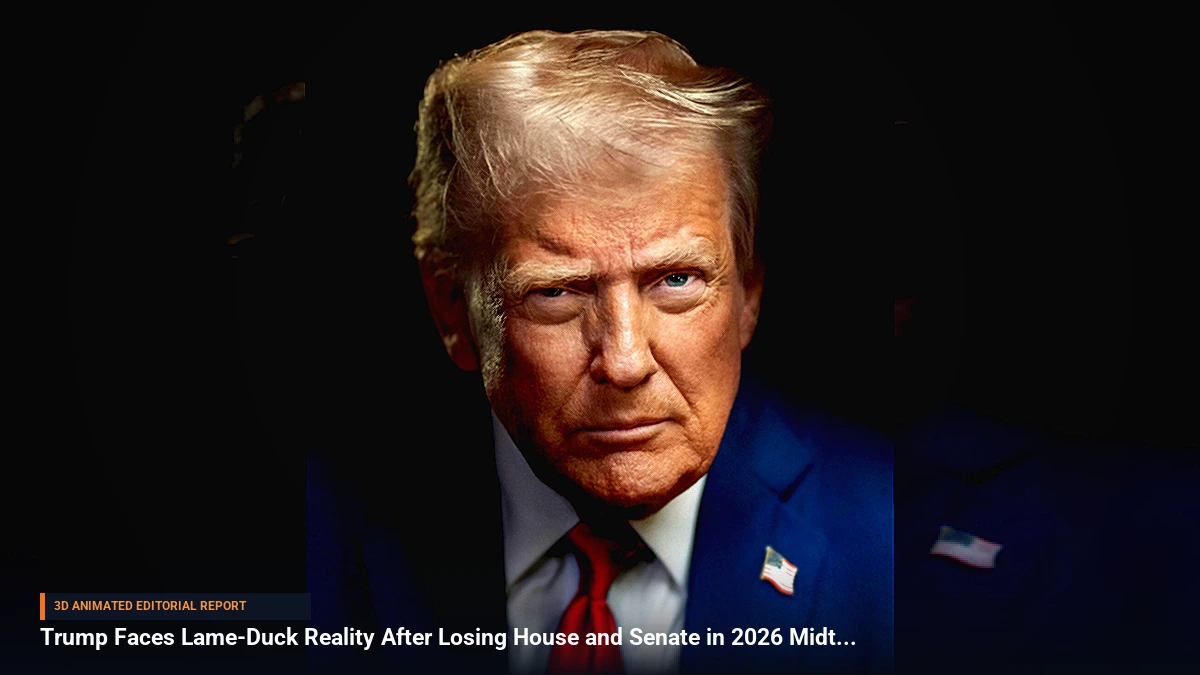
The 2026 midterm elections delivered a definitive setback to the administration, with Donald Trump losing control of both chambers of the United States Congress. Voters handed majorities in the House of Representatives and the Senate to the opposition, reshaping the political landscape just days after the president unveiled major repairs and a makeover for the Lincoln Memorial Reflecting Pool on November 2. The resounding defeat immediately thrust the White House into lame-duck status, fundamentally altering the power dynamics in Washington and signaling an abrupt halt to the administration's legislative ambitions.
Background & Key Context
The midterm rout caps an intense final stretch of campaigning where domestic policy debates intertwined with unconventional public addresses. Leading up to the vote, the administration sought to project administrative accomplishments, highlighting a $14 million project to revitalize the national landmark's reflecting pool. However, voter sentiment coalesced around broader economic anxieties, inflation, and checks on executive power. Historically, midterm elections often punish the sitting president's party, but the total loss of both congressional houses represents a profound reversal of fortune for Trumpism.
Key Takeaways
- Dual Chamber Losses: Republicans lost control of both the House of Representatives and the Senate in the 2026 midterms.
- Lame-Duck Status: The president faces severe legislative limitations for the remainder of his term.
- Economic Repercussions: Global markets, borrowing costs, and inflation forecasts are reacting to the shift in Washington power.
- Executive Leverage: Analysts note that despite legislative gridlock, significant unilateral executive authorities remain at the president's disposal.
- Infrastructure Focus: The electoral fallout follows final pre-election pushes that included public unveiling events like the Lincoln Memorial Reflecting Pool repairs.
Impact, Analysis & Global/National Reactions
The loss of congressional majorities has sent ripples through financial markets and international capitals. Economists and market strategists are actively repricing risks associated with a divided government, evaluating how gridlock in Washington will influence federal spending, inflation metrics, and interest rate trajectories. While legislative initiatives will likely stall on Capitol Hill, legal and political experts emphasize that the executive branch retains considerable independent tools—such as regulatory actions, executive orders, and foreign policy authorities—to advance certain policy priorities.
What's Next: Looking Ahead
With a newly empowered opposition preparing to take control of congressional committees, the final two years of the presidential term will likely be characterized by intense oversight, investigations, and legislative standoffs. Stakeholders across corporate sectors and global trade bodies are bracing for heightened political friction, while administration officials look for alternative pathways to execute their agenda without congressional approval.




Be the first to comment
Start a useful conversation around this story.