
What Happened: The Core Developments
Recent nationwide demonstrations across France, which originated as student-led protests against deteriorating educational infrastructure and soaring fuel prices, have escalated into widespread civil unrest. In several major urban centers, demonstrations transformed into intense clashes with law enforcement, resulting in significant property damage, including the torching of a historic town hall.
Responding to the escalating violence, French authorities implemented strict security measures, leading to approximately 1,800 arrests nationwide. Local officials also instituted overnight curfews in multiple cities, including designated sectors of Paris, as security forces struggled to restore public order.
Background & Key Context
The immediate spark for the French protests was deeply rooted in domestic economic anxieties. Citizens and students mobilized over falling purchasing power, inflation, and crumbling public school conditions. However, international political figures quickly seized upon the chaos to advance distinct ideological narratives.
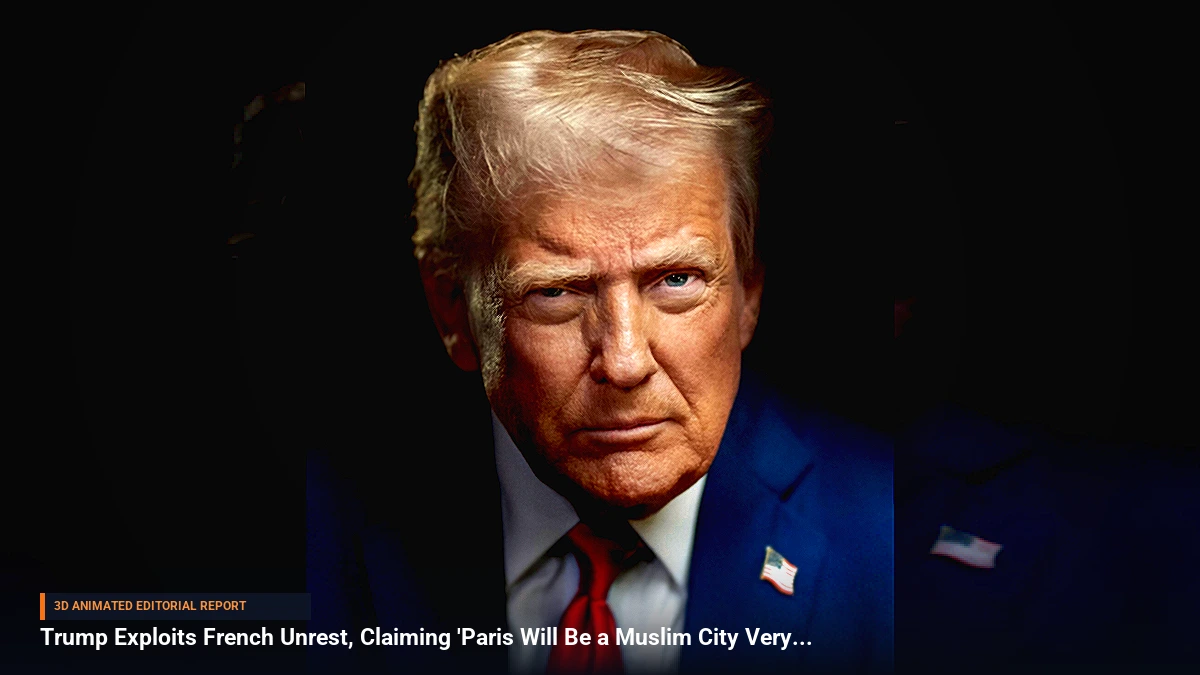
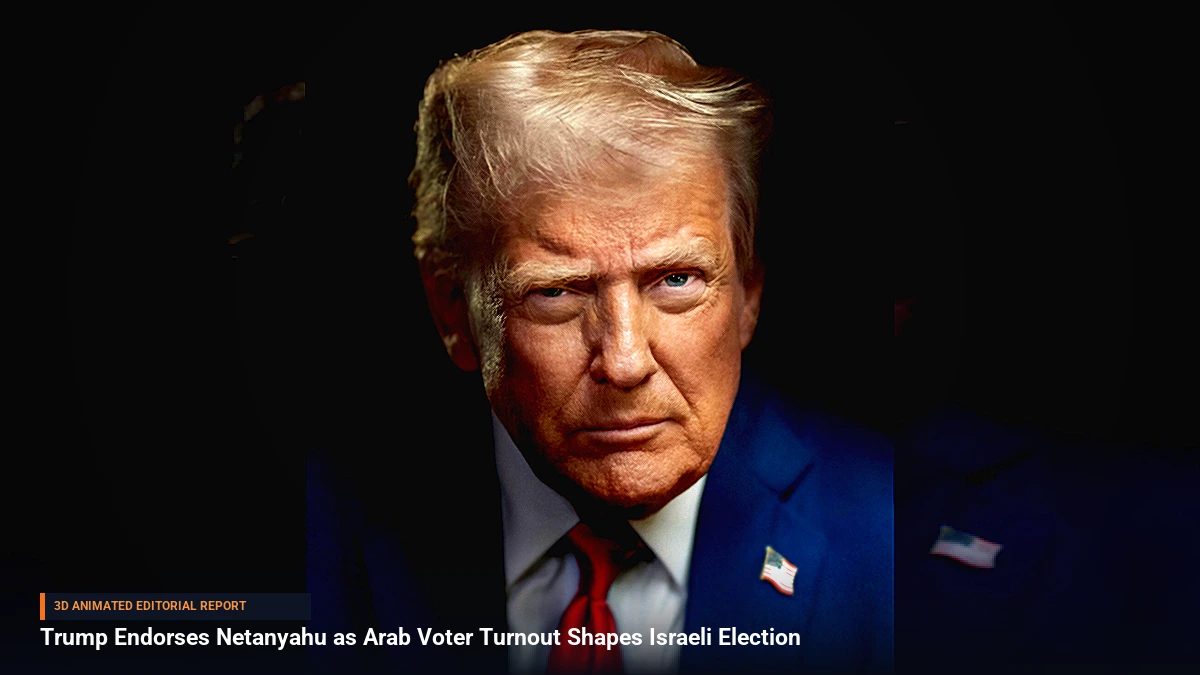
At a campaign rally in Kansas, Donald Trump used the events in France as a cautionary tale for American voters, asserting that the European nation had been overrun by migrants, jihadists, and communists. Echoing familiar far-right talking points, Trump claimed that he had previously warned French President Emmanuel Macron about border policies, declaring that "Paris is going to be a Muslim city very soon."
Key Takeaways
- Domestic Origins: The protests in France began primarily over local grievances, including the high cost of living, rising fuel prices, and crumbling school infrastructure.
- Severe Escalation: Demonstrations turned violent in several cities, causing structural damage and prompting approximately 1,800 arrests.
- Emergency Measures: French authorities imposed strict overnight curfews across multiple urban zones, including parts of Paris, to curb ongoing unrest.
- US Political Framing: American political figures utilized the foreign unrest to warn voters against liberal immigration policies ahead of midterm elections.
- Rhetorical Shift: Trump characterized the European nation's struggles as a total collapse of Western civilization driven by migration and communism.
Impact, Analysis & Global/National Reactions
The trans-Atlantic translation of European civil unrest highlights a growing trend among nationalist politicians who leverage foreign events to shape domestic policy debates. Analysts note that by stripping away the nuanced socio-economic grievances driving the French protests—such as inflation and educational neglect—figures like Trump and JD Vance effectively repackage complex local governance issues into a singular narrative concerning border security and national identity.
This rhetorical strategy is strategically timed as American political parties face mounting pressure ahead of national midterm elections. By presenting European cities as cautionary examples of multiculturalism and migration gone awry, domestic political campaigns seek to mobilize voter bases around strict immigration controls.
What's Next: Looking Ahead
As French security forces work to stabilize domestic order and assess the full extent of the structural damage, the political fallout continues to reverberate internationally. In the United States, the deployment of foreign unrest as a campaign narrative is expected to intensify as the midterm elections approach, keeping immigration and border security at the forefront of political discourse. Meanwhile, French officials face the ongoing challenge of addressing the foundational economic and educational concerns that initially sparked the public outrage.

Be the first to comment
Start a useful conversation around this story.