
What Happened: The Core Developments
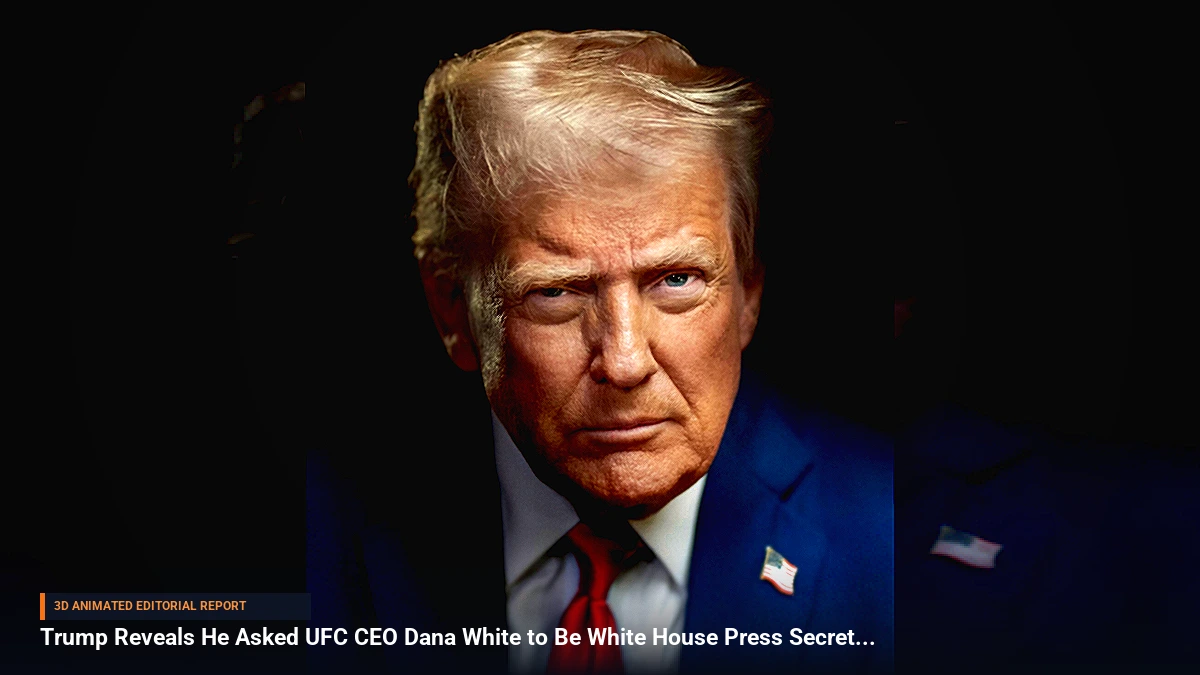
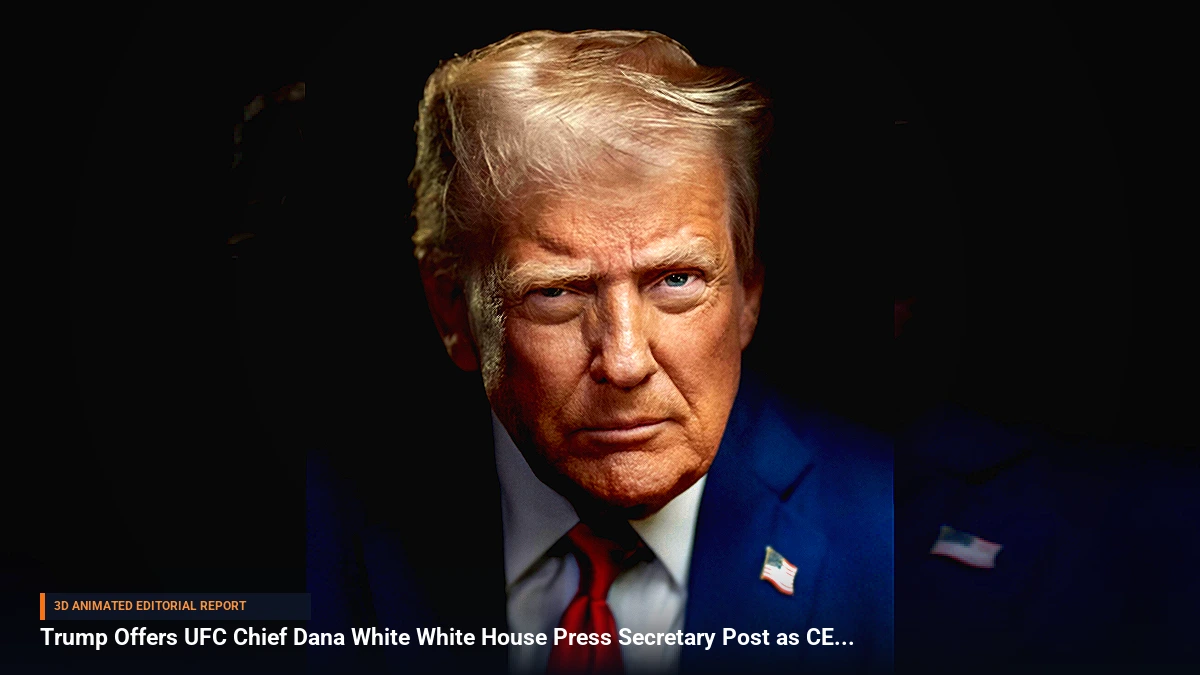
In a recent public revelation that quickly drew widespread attention, Donald Trump disclosed that he personally asked Ultimate Fighting Championship (UFC) CEO Dana White to step into the role of White House press secretary. The unconventional recruitment pitch, characterized by Trump's public encouragement of "Dana, please take the job!", highlighted the close and enduring personal rapport between the political figure and the sports entertainment executive.
Despite the high-profile appeal, sources close to the situation confirmed that Dana White turned down the offer. White, who has successfully steered the UFC to unprecedented global prominence and maintains a robust multi-media empire, opted to remain in the sports and entertainment sector rather than transition into the grueling world of federal executive communications and daily press briefings.
Background & Key Context
The intersection of combat sports promotion and high-stakes American politics is nothing new. Dana White has been a vocal, steadfast ally of Donald Trump for years, famously speaking at Republican National Conventions and maintaining a visible presence at high-profile political and sporting events alike. Their relationship transcends standard political alliances, built on a foundation of mutual support dating back to the early days of the UFC hosting events at Trump properties in New Jersey.
Observers and media analysts, including international outlets like NDTV, have quickly drawn parallels between this latest staffing revelation and past logistical or communication anomalies associated with the broader Trump political apparatus—most notably recalling the 2020 "Four Seasons" press conference scheduling mishap. Such moments underscore a persistent pattern where unconventional staging, informal talent sourcing, and high-visibility branding collide in the public eye.
Key Takeaways
- The Offer: Donald Trump publicly stated he approached UFC CEO Dana White to serve as White House press secretary.
- The Outcome: Dana White ultimately declined the proposed administration position, choosing to stay with the UFC.
- Longstanding Ties: White and Trump share a decades-long personal and professional friendship, marked by prominent public endorsements.
- Historical Parallels: Media analysts have compared the announcement and surrounding media cycle to previous out-of-the-box political communications moments, such as the 2020 Four Seasons branding mix-up.
- Public Reaction: The revelation sparked widespread debate across political and entertainment spheres regarding the blending of pop culture figures with federal governance.
Impact, Analysis & Global/National Reactions
The revelation of the press secretary pitch immediately triggered lively commentary across major news networks. Political strategists noted that while appointing a charismatic, media-savvy figure like Dana White would have undeniably dominated news cycles and brought unprecedented mainstream attention to the White House podium, it also underscored the unique calculus Trump applies to staffing.
"When you look at how political figures build their teams, the lines between traditional bureaucratic qualification and powerful media presence continue to blur," remarked one senior media analyst. While White chose to keep his focus on combat sports, the episode highlights the ongoing allure of outside-the-box executive recruitment.
What's Next: Looking Ahead
As political stakeholders continue to speculate on future administrative lineups and communication strategies, attention shifts back to how official White House spokespeople will be selected. Meanwhile, Dana White remains at the helm of the UFC, continuing to expand the combat sports enterprise globally without taking a detour into federal politics. Observers will undoubtedly keep a close watch on future staffing announcements to see if other high-profile entertainment figures are tapped for advisory or executive roles.


Be the first to comment
Start a useful conversation around this story.