
What Happened: The Core Developments
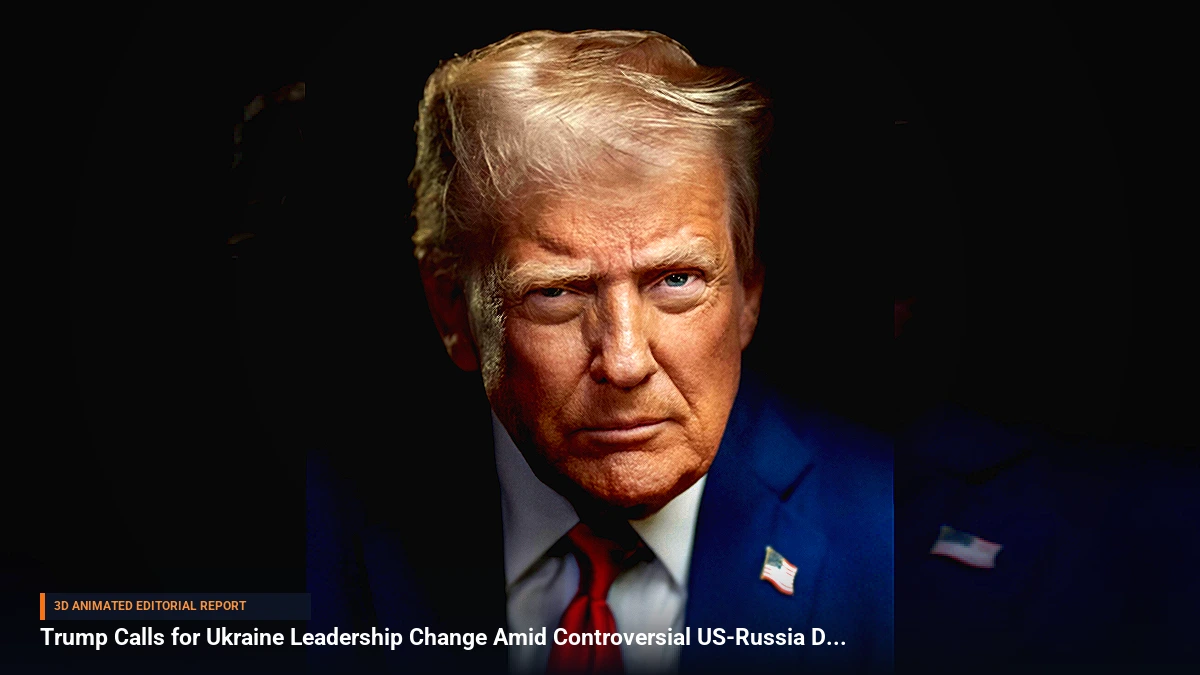
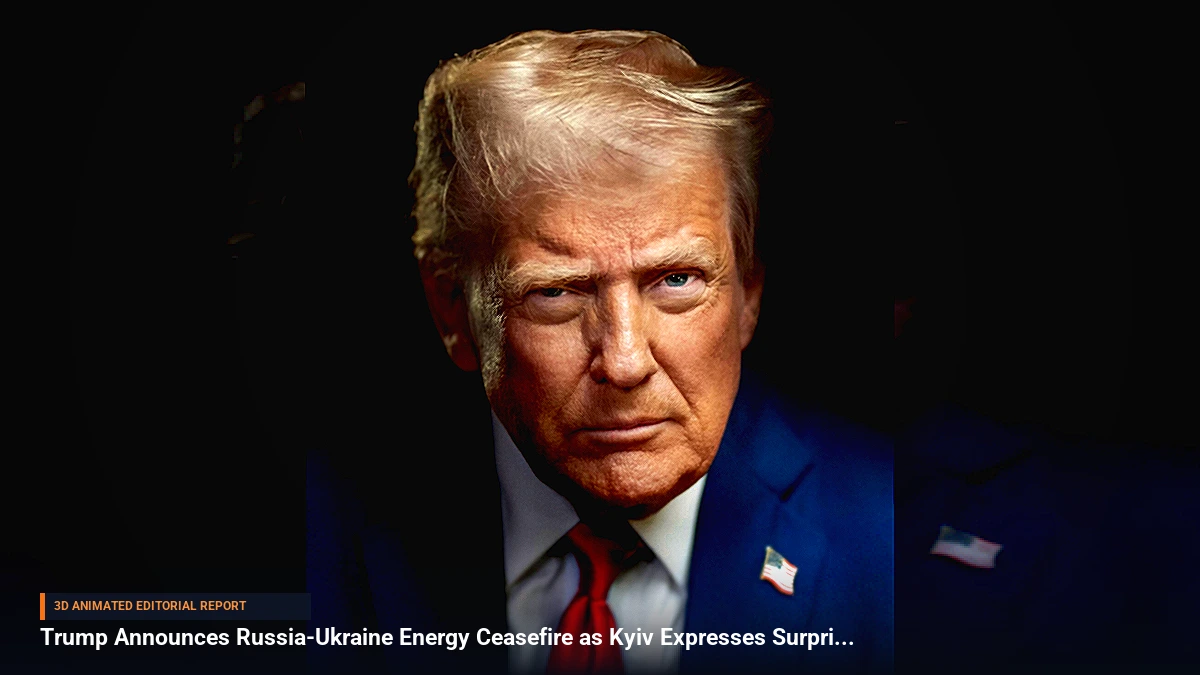
In a dramatic escalation of geopolitical tensions, U.S. President Donald Trump publicly criticized Ukrainian President Volodymyr Zelenskyy, calling for a change in Ukraine's leadership and blaming him for soaring U.S. diesel prices. The remarks accompanied the announcement of a high-stakes, controversial agreement between Washington and Moscow. Under this arrangement, the U.S. has temporarily lifted sanctions on Russian diesel imports to drive down domestic fuel costs.
The announcement immediately sparked international friction. Trump claimed that Russia would supply millions of tonnes of diesel—starting with an immediate delivery of 300,000 tons—asserting that fuel prices would drop dramatically. However, energy and foreign policy analysts quickly poured cold water on these claims, stating that the arrangement will yield little meaningful relief for American motorists and businesses due to logistical bottlenecks, shipping times, and significant structural damage sustained by Russian refineries.
In response to Trump's direct attacks, President Zelenskyy fired back, declaring his readiness to hold national elections in Ukraine under the condition that Moscow offers a verifiable 60-day ceasefire. Meanwhile, traditional Western allies have rushed to reaffirm their diplomatic footing, with British officials emphasizing that Ukrainian sovereignty and leadership decisions must remain strictly in the hands of the Ukrainian populace.
Background & Key Context
The friction stems from severe domestic political pressures inside the United States, where soaring fuel prices have become a primary vulnerability for the administration ahead of upcoming midterm elections. These economic pressures were severely compounded by the administration's recent military engagement against Iran, which disrupted traditional global supply chains and sent petroleum markets into a tailspin.
For months, Washington had maintained stringent economic sanctions against Moscow's energy sector as part of a united Western front following the full-scale invasion of Ukraine. Trump's sudden pivot to negotiate directly with Russian President Vladimir Putin to alleviate domestic energy woes marks a radical shift in U.S. foreign policy. The deal bypasses core tenets of the previous sanctions architecture, straining relations with European partners who have spent years decoupling their economies from Russian hydrocarbons.
Key Takeaways
- Leadership Demands: Donald Trump publicly called for Volodymyr Zelenskyy to be replaced, blaming him for U.S. diesel price spikes.
- Sanctions Relief for Oil: Washington announced a temporary lifting of sanctions on Russian diesel imports via a direct arrangement with Vladimir Putin.
- Skeptical Analysts: Energy experts project that the Russian diesel deal will have negligible impact on domestic prices due to shipping delays and volume limitations.
- Ukrainian Counter-Stance: Zelenskyy stated he is willing to conduct Ukrainian elections if Russia commits to a stable 60-day ceasefire.
- Allied Pushback: Western partners, including the United Kingdom, have stepped forward to publicly defend Zelenskyy's legitimacy and democratic mandate.
Impact, Analysis & Global/National Reactions
The sudden policy reversal has caused profound unease across Western capitals. UK Defence Secretary Wes Streeting stepped forward to clarify Britain's position, asserting that London stands firmly behind Zelenskyy and maintaining that Ukrainians alone possess the right to determine their political leadership. Streeting openly pointed to domestic electoral pressures in the United States as the driving force behind Washington's sudden accommodation with Moscow.
Analysts note that while the White House is seeking quick fixes to pacify angry motorists before the midterms, the administration risks fracturing the broader geopolitical coalition opposing Russian aggression. Furthermore, energy economists emphasize that the logistical reality of moving millions of tonnes of Russian fuel across international waters will take weeks, rendering the immediate economic relief promised by the administration largely illusory.
What's Next: Looking Ahead
As the diplomatic fallout continues to unfold, attention turns to how European Union members and other NATO allies will respond to the partial rollback of Russian energy sanctions. Markets will closely monitor whether the announced Russian diesel shipments materialize in U.S. ports and whether they produce any discernible downward movement at the pump.
On the diplomatic front, Zelenskyy's conditional offer of a 60-day ceasefire tied to national elections places the ball back in Moscow's court, though prospects for such an agreement remain dim given ongoing battlefield hostilities. Meanwhile, Western foreign ministries will be working behind the scenes to mend fraying alliances and ensure a unified stance on Eastern European security ahead of upcoming legislative milestones.

Be the first to comment
Start a useful conversation around this story.