
What Happened: The Core Developments
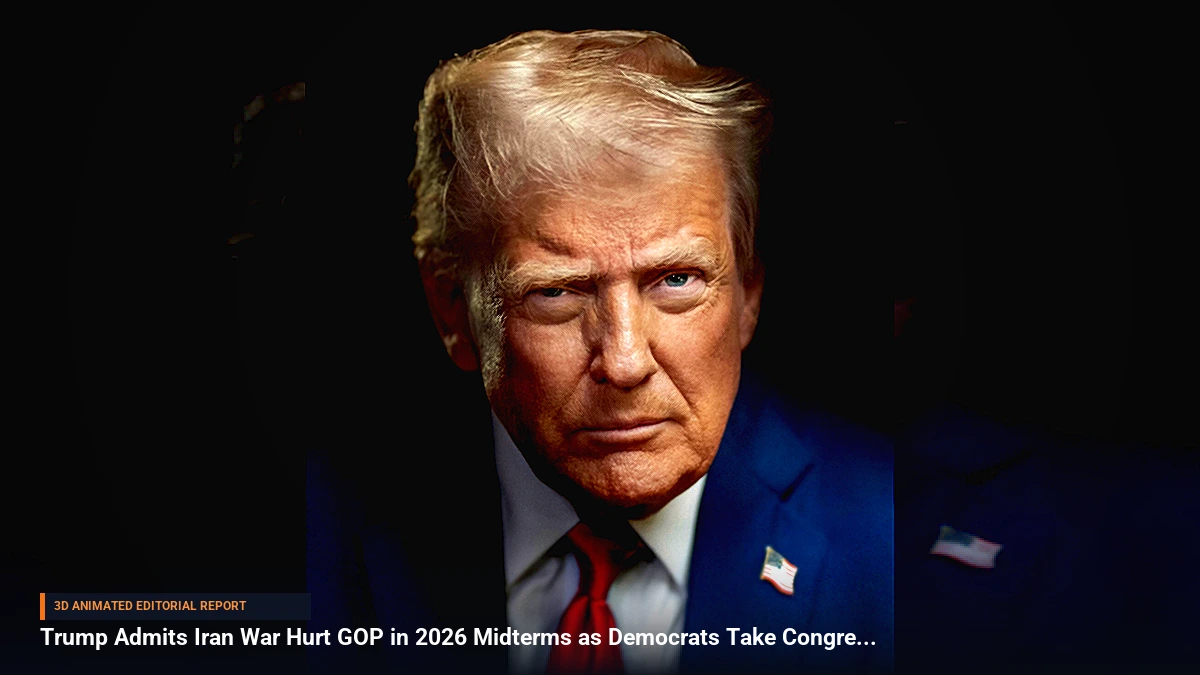
The political landscape of the United States shifted dramatically following the 2026 midterm elections. In a post-election assessment, US President Donald Trump openly acknowledged that the ongoing military engagement with Iran served as a significant drag on Republican electoral prospects, contributing directly to heavy party losses at the ballot box.
Simultaneously, election results confirmed that Democrats achieved historic victories, successfully capturing majority control of both chambers of Congress. Despite the legislative setbacks, President Trump remained defiant in his initial remarks, arguing that the outcome would have been substantially different had his own name appeared directly on the ballot.
Background & Key Context
Midterm elections historically serve as a referendum on the sitting administration, but the 2026 cycle was uniquely overshadowed by aggressive foreign policy entanglements. The military campaign against Iran had dominated national headlines and public discourse for months prior to the election, driving voter anxiety over economic stability, energy prices, and geopolitical security.
Administration officials and party strategists had debated the domestic political fallout of the foreign intervention. While leadership initially downplayed voter resistance, the stunning legislative reversals underscored a deep disconnect between executive military actions and the electoral priorities of everyday Americans.
Key Takeaways
- Iran War Fallout: President Trump explicitly admitted that the military conflict with Iran contributed to the Republican vote decline.
- Democratic Control: Democrats secured historic victories in the 2026 midterms, wresting control of Congress from the GOP.
- The Ballot Effect: Trump maintained that Republicans would have performed significantly better if he had personally been running.
- Legislative Standoffs: Following the loss of congressional control, Trump vowed to block upcoming legislative packages he deemed "insane" using his presidential veto.
- Market Repercussions: Wall Street reacted swiftly to the shift in power, with major indices experiencing notable upward movements as investors digested the new political reality.
Impact, Analysis & Global/National Reactions
The electoral outcome marks a profound turning point for the remainder of the presidential term. Analysts note that the admission regarding the Iran war highlights the immediate domestic political cost of prolonged foreign military engagements.
Wall Street provided an unexpected barometer of the political shift. Following the confirmation of Democratic legislative control, markets surged, with the Dow Jones rising 2% and both the Nasdaq and S&P 500 posting gains of over 1%. Financial analysts attributed the rally to shifting expectations regarding federal oversight and regulatory priorities in Washington.
Internally, the Republican party faces an existential reckoning over how to reconcile the executive branch's foreign policy agenda with the electorate's demand for domestic focus and economic relief.
What's Next: Looking Ahead
With a newly empowered Democratic majority taking the reins in Congress, Washington is bracing for intense legislative gridlock. President Trump has already drawn a hard line, signaling an aggressive use of his veto power to obstruct incoming bills passed by the opposition.
Legislative battles over the federal budget, foreign policy oversight, and regulatory frameworks are expected to dominate the capital in the coming months. Meanwhile, Republican leadership will be forced to retool its messaging and strategy ahead of the next electoral cycle, keeping a wary eye on foreign entanglements that threaten domestic unity.




Be the first to comment
Start a useful conversation around this story.