
What Happened: The Core Developments
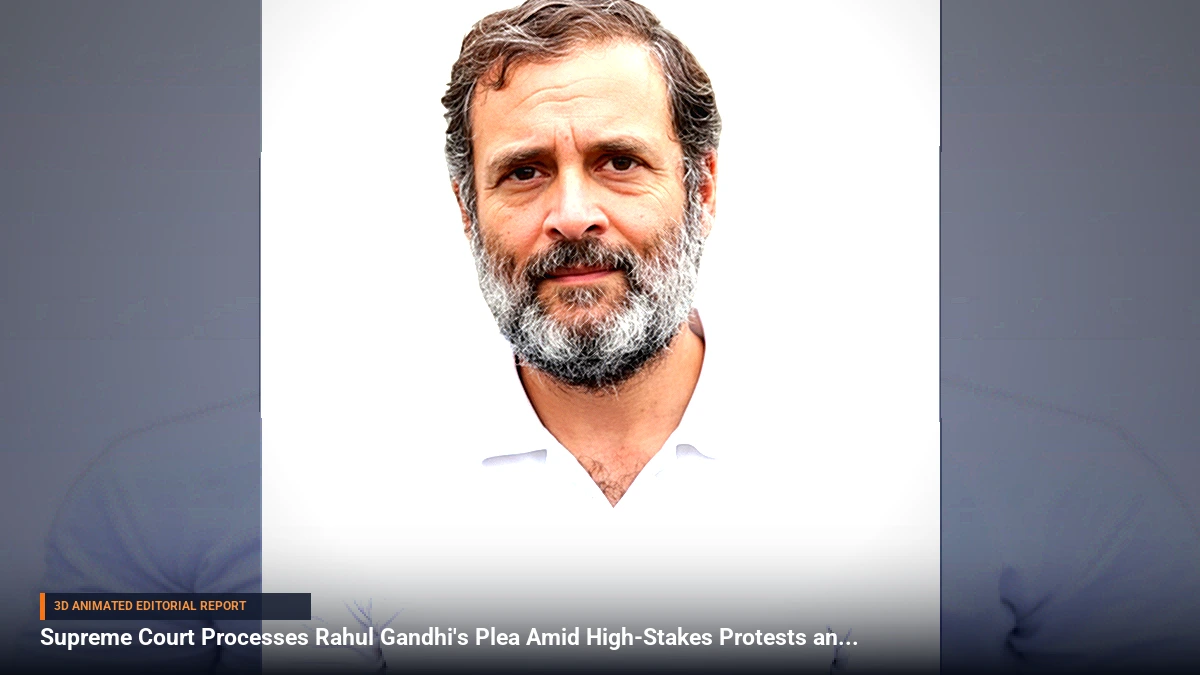
The judicial machinery in New Delhi experienced a dual wave of rapid administrative processing and strategic deferrals. Following initial bureaucratic obstacles that flagged clerical defects and fee shortfalls, the Supreme Court Registry cleared and numbered senior opposition leader Rahul Gandhi's high-profile petition against the SIR-CEC within a 24-hour window. This expedited clearance stands in sharp contrast to the broader docket adjustments witnessed across the capital's judicial landscape.
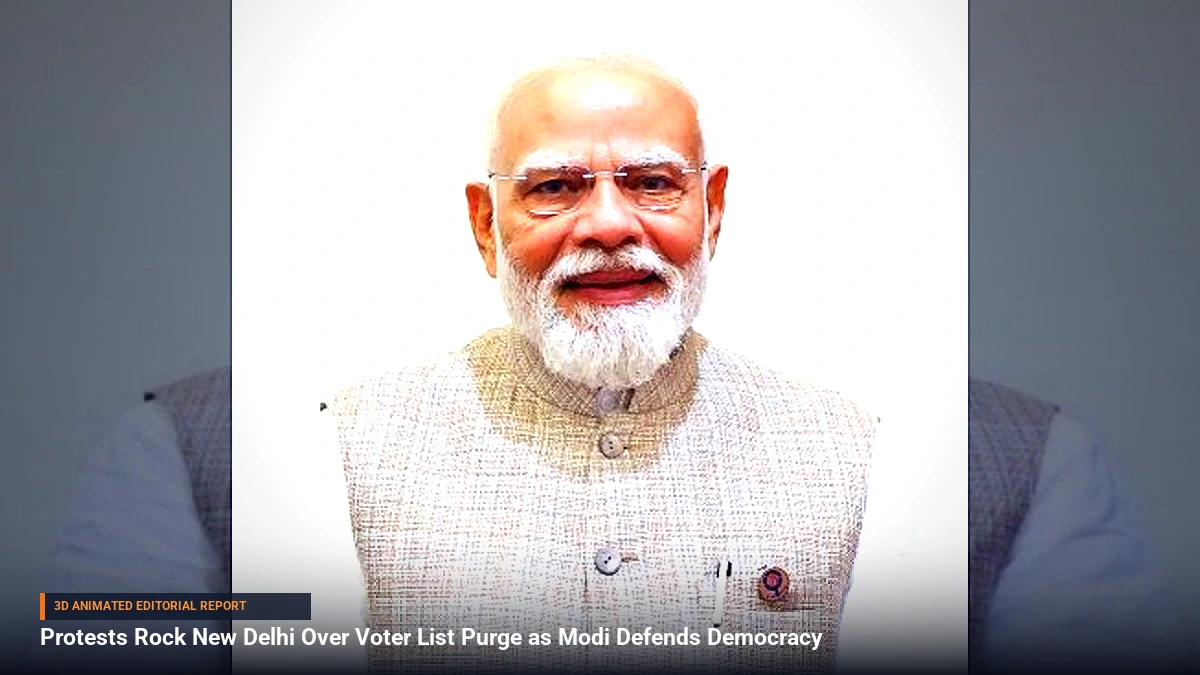
Simultaneously, the Supreme Court formally deferred its hearing on multiple urgent petitions concerning sweeping public protests, transport blockades, and stringent curbs on metro and train networks to October 15. The deferral arrived on a day marked by intense friction on the streets, where civic activists—including Saurav Das and Ashutosh Ranka—were detained by security forces near Jantar Mantar while attempting to register peaceful dissent against electoral and administrative policies.
Background & Key Context
The unfolding legal battles stem from deep-seated political tensions surrounding institutional accountability and the legal protections afforded to key election officials. Earlier legislative and institutional changes regarding the Chief Election Commissioner and Election Commissioners have triggered robust pushback from opposition factions under the INDIA bloc and transparency watchdogs like the Association for Democratic Reforms (ADR). ADR's parallel challenges against lifelong immunity provisions for election commissioners have forced formal notices to the Union government and the Election Commission of India.
On the ground, the friction reflects an escalating clash between state security apparatuses determined to lock down sensitive zones and civil rights groups asserting constitutional freedoms. Protests against electoral administrative frameworks have routinely collided with heavy police deployments, leading to widespread preemptive detentions and commuter restrictions across key transit corridors in the National Capital Region.
Key Takeaways
- Swift Administrative Turnaround: The Supreme Court Registry cleared Rahul Gandhi's petition against the SIR-CEC within 24 hours after resolving prior clerical objections.
- Hearing Postponed: The apex court pushed its comprehensive review of Delhi protest management, transit limits, and infrastructure curbs to October 15.
- Civil Society Detentions: Prominent activists, including Saurav Das and Ashutosh Ranka, faced detention near Jantar Mantar amid tight police lockdowns.
- Broader Institutional Challenges: Parallel legal challenges led by organizations like ADR continue to target blanket legal immunity provisions for election commissioners.
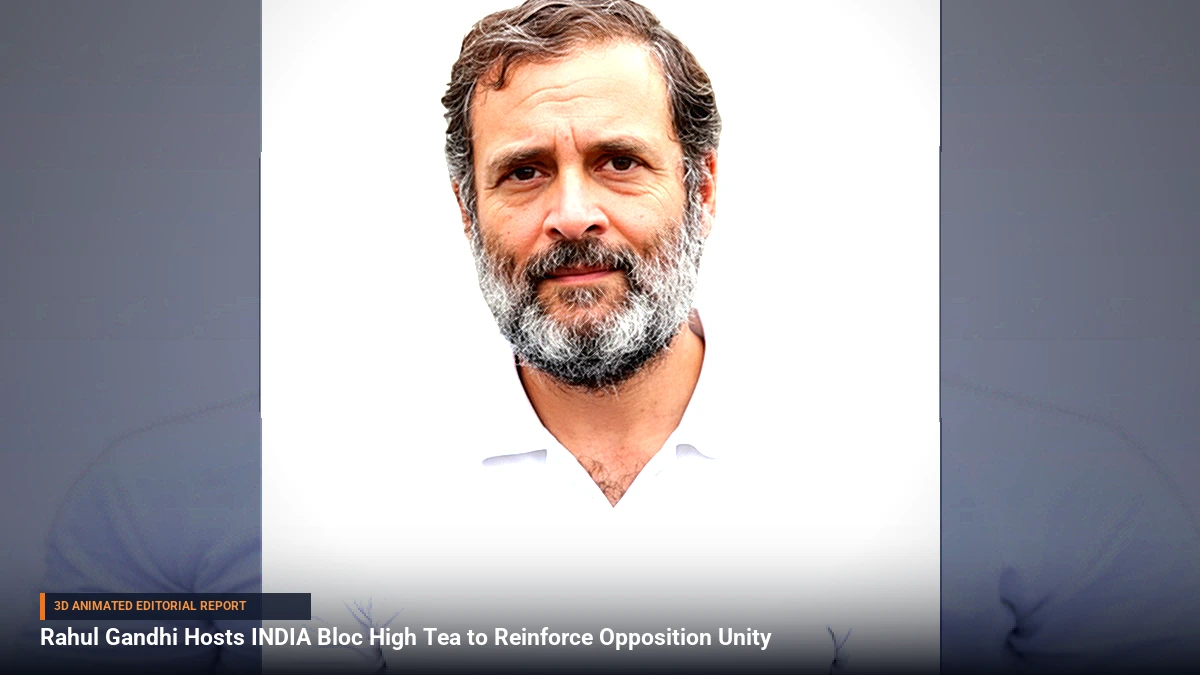
- Heightened Political Mobilization: INDIA bloc leaders have maintained steady pressure, signaling further coordinated actions following high-tea consultations and strategic huddles.
Impact, Analysis & Global/National Reactions
The intersection of rapid judicial docketing for political heavyweights and the strict curtailment of public demonstrations has ignited intense debates among legal scholars and civil liberties advocates. Critics argue that while individual political petitions receive prioritized administrative attention, systemic freedom-of-assembly issues face administrative bottlenecks and delays.
Political analysts note that the legal challenges represent a multi-front strategy by opposition parties and transparency advocates to subject high-level electoral authorities to rigorous judicial scrutiny. "The protection of democratic dissent and institutional transparency are non-negotiable pillars," noted legal observers close to the developments, emphasizing that the judiciary's handling of these intertwined petitions will set vital precedents for executive accountability.
What's Next: Looking Ahead
All eyes are now locked on the October 15 hearings, where the Supreme Court is expected to address the legality of sweeping transit shutdowns, public gathering bans, and police action during civil demonstrations. Additionally, responses from the Union government and the ECI regarding immunity frameworks will shape the trajectory of ongoing transparency litigations, keeping the judiciary at the center of India's political and constitutional discourse.
Be the first to comment
Start a useful conversation around this story.