
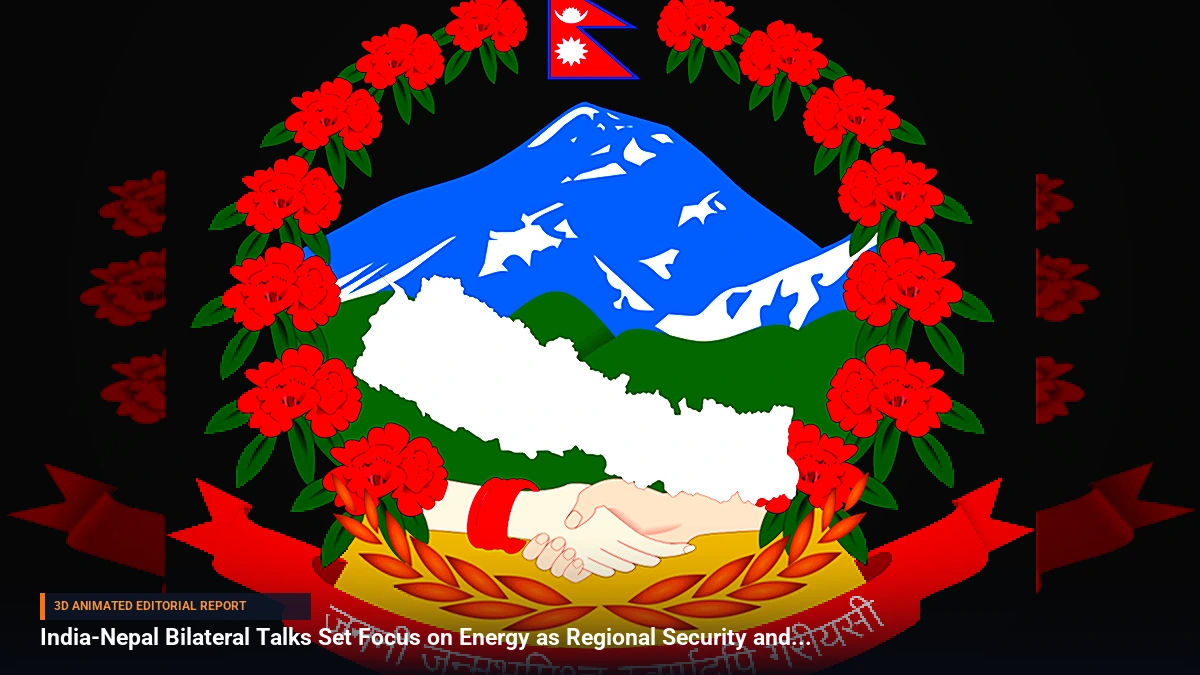
What Happened: The Core Developments
Bilateral diplomacy in South Asia has taken center stage as Nepal's Prime Minister Balendra Shah arrived in New Delhi for his inaugural official visit. The itinerary features a high-stakes meeting with Indian Prime Minister Narendra Modi, scheduled for November 23. Ahead of the formal summit, External Affairs Minister S Jaishankar welcomed the visiting leader, emphasizing the deep-rooted friendship and multifaceted partnership shared between the two neighboring democracies.
Simultaneously, domestic infrastructural challenges along India’s northeastern frontier have drawn significant attention. Union Home Minister Amit Shah addressed ongoing tensions regarding the proposed Siang dam project in Arunachal Pradesh. Marking his first public remarks following local clashes over the initiative, Amit Shah defended the undertaking as a vital national project while extending an open invitation for constructive dialogue with protesting local communities.
Background & Key Context
Relations between India and Nepal have steadily evolved, driven by mutual interests in cross-border energy sharing, trade connectivity, and regional stability. Prime Minister Balendra Shah’s visit marks a crucial milestone in sustaining this diplomatic momentum, providing both governments an opportunity to solidify long-term pacts on power grids, railway links, and economic cooperation.
On the domestic front, the Siang dam project in Arunachal Pradesh has sparked considerable grassroots apprehension. Pre-feasibility surveys and infrastructural expansion near border zones have triggered local demonstrations, prompting the central government to balance strategic developmental mandates with regional ecological and social concerns.
Key Takeaways
- Maiden Visit: Nepal Prime Minister Balendra Shah is in New Delhi for his first official diplomatic visit to India.
- Strategic Agenda: Official talks between PM Modi and PM Balendra Shah are scheduled for November 23, focusing primarily on energy cooperation and transport connectivity.
- Diplomatic Warmth: External Affairs Minister S Jaishankar met with the Nepali premier, reiterating India's commitment to a special friendship.
- Infrastructure Focus: Union Home Minister Amit Shah addressed the Siang dam project in Arunachal Pradesh, designating it as a vital national initiative.
- Dialogue Offered: Amid local protests against border dam developments, the central government has proposed direct talks to address community concerns.
Impact, Analysis & Global/National Reactions
The simultaneous management of foreign relations with Nepal and regional infrastructure tensions in the Northeast highlights the complex balancing act facing New Delhi's policymakers. Observers note that strengthening ties with Kathmandu remains essential for regional security and economic integration, particularly as both nations seek to expand clean energy corridors.
Political analysts suggest that the proactive outreach by Home Minister Amit Shah in Arunachal Pradesh underscores the administration's dual strategy of pushing forward critical border infrastructure while attempting to mitigate domestic friction through negotiated settlements.
What's Next: Looking Ahead
All eyes now turn to the formal bilateral outcomes expected from the November 23 summit between Prime Minister Narendra Modi and Prime Minister Balendra Shah, where finalized agreements on energy trade and rail connectivity are anticipated. Meanwhile, subsequent stakeholder meetings in Arunachal Pradesh will determine the future trajectory of the Siang dam project and the efficacy of the government's outreach to local protesters.



Be the first to comment
Start a useful conversation around this story.