
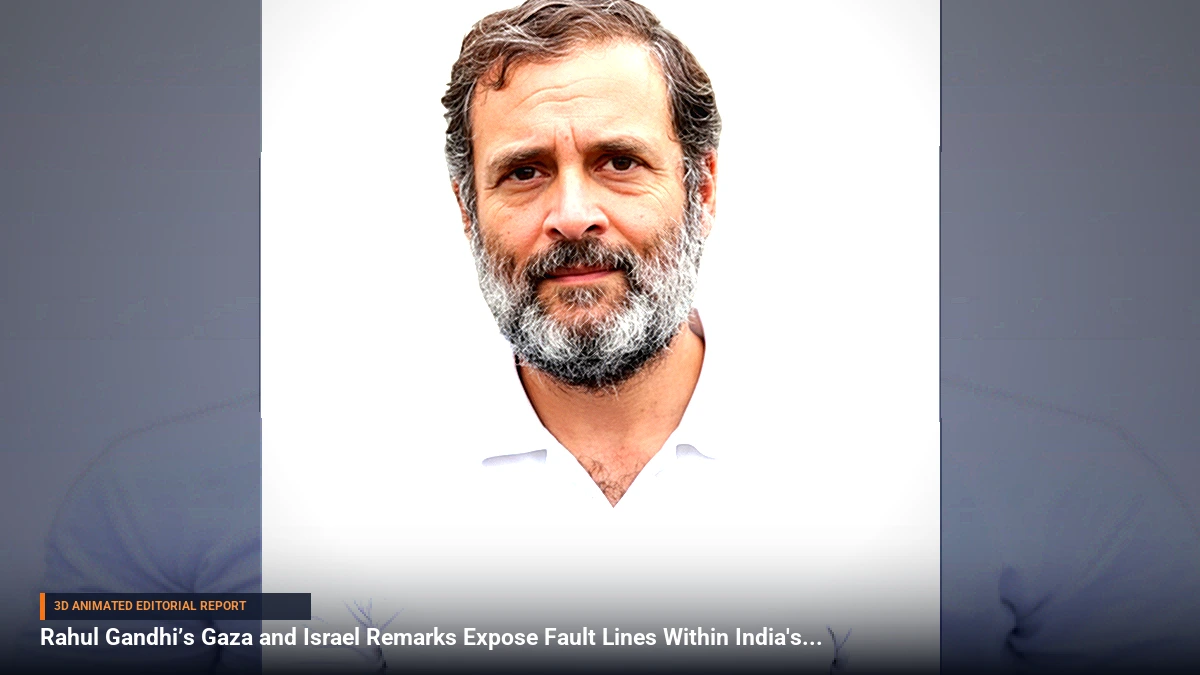
What Happened: The Core Developments
A recent commentary on foreign policy by senior Congress leader Rahul Gandhi has inadvertently exposed deep-seated ideological fractures within India's opposition bloc. The controversy erupted after Gandhi addressed India's diplomatic posture toward the Middle East, specifically navigating the delicate balance between historical solidarity with Palestine and contemporary strategic imperatives involving Israel.
While Gandhi endorsed the necessity of maintaining robust defense and strategic partnerships with Israel—citing hard national security interests and defense requirements—the stance drew immediate pushback. Left-leaning political allies, who maintain a traditionally stringent ideological alignment against Israeli military actions in Gaza and favor uncompromised solidarity with Palestinian causes, openly criticized the remarks. The friction forced Gandhi to issue a subsequent clarification to manage the discontent within the opposition alliance.
Background & Key Context
Foreign policy consensus in India has historically rested on a bipartisan foundation, steering a careful path between non-alignment, strategic autonomy, and pragmatic bilateral engagements. During the early decades post-independence, under leaders like Jawaharlal Nehru, India maintained a staunchly pro-Palestinian stance. However, over the past three decades, New Delhi has systematically deepened its geopolitical and defense-industrial ties with Israel, encompassing intelligence sharing, counter-terrorism cooperation, and high-tech defense hardware procurement.
For a broad-based political coalition like the opposition front, maintaining harmony requires navigating vastly different ideological DNA. While the Congress party attempts to project a centrist, state-craft-oriented foreign policy that accommodates modern defense needs, its Left partners adhere firmly to anti-imperialist and anti-Zionist frameworks. This latest episode underscores how complex international flashpoints like the Gaza conflict can quickly cascade into domestic political pressures for coalition entities.
Key Takeaways
- Strategic Realism vs. Ideology: Rahul Gandhi's endorsement of strong ties with Israel highlights a pragmatic shift toward prioritizing India's defense requirements over strict historical ideological alignments.
- Friction with Left Allies: The remarks triggered swift criticism from Left parties within the opposition coalition, exposing classic fault lines on Middle Eastern geopolitics.
- Defense Imperatives: The ongoing reliance on Israeli defense technology and security cooperation remains a central pillar that forces pragmatic consensus across mainstream Indian political lines.
- Internal Damage Control: Following the backlash, Gandhi and senior party leaders engaged in tactical clarifications to preserve unity within the anti-incumbency alliance.
- Internal Support: Senior Congress figures like Shashi Tharoor publicly backed the stance, arguing that it reflects India's traditional, balanced foreign policy trajectory.
Impact, Analysis & Global/National Reactions
The domestic fallout demonstrates the tightrope walk opposition leaders must perform when addressing sensitive international conflicts. Analysts note that while attempting to appear statesmanlike and aligned with India's long-term security apparatus, opposition figures risk alienating their ideological base.
Senior Congress leader Shashi Tharoor came to the defense of the policy direction, asserting that Gandhi's balanced approach fundamentally mirrors India's long-held tradition of strategic autonomy. "The positioning reflects a continuous thread in Indian foreign policy that values partnerships based on pragmatic national interests while continuing to advocate for peace and humanitarian resolutions in conflict zones," institutional observers noted. Nevertheless, the swift pushback from Left constituents serves as a reminder of the delicate compromises required to sustain a diverse political alliance.
What's Next: Looking Ahead
As geopolitical tensions in the Middle East persist, foreign policy is expected to feature prominently in domestic political discourse. For the Indian opposition, the episode serves as a cautionary tale regarding how external affairs can create internal vulnerabilities.
Moving forward, opposition strategists will likely seek to streamline their messaging on sensitive foreign policy matters to avoid giving political leverage to the ruling establishment. The challenge remains balancing a credible, security-conscious vision of statecraft with the diverse ideological demands of coalition politics.

Be the first to comment
Start a useful conversation around this story.