
What Happened: The Core Developments
Global equity markets experienced a severe shockwave as simmering geopolitical tensions in the Middle East boiled over into active conflict concerns. The benchmark BSE Sensex crashed sharply, plunging between 950 and over 1,000 points during early trading sessions, while the broader Nifty50 index slipped below the critical 22,850 threshold.
The swift market downturn inflicted immediate financial pain on domestic investors, wiping out approximately Rs 5 lakh crore in market capitalization within the first sixty minutes of trade. This sudden sell-off was directly triggered by spiking global crude oil prices, which surged in response to heightened risks surrounding maritime transit in the critical Strait of Hormuz.
Background & Key Context
The market volatility stems from a dangerous diplomatic and military deadlock between the United States and Iran. Tehran recently declared that it is fully prepared for a prolonged conflict, following Washington’s outright rejection of a proposed seven-day diplomatic roadmap.
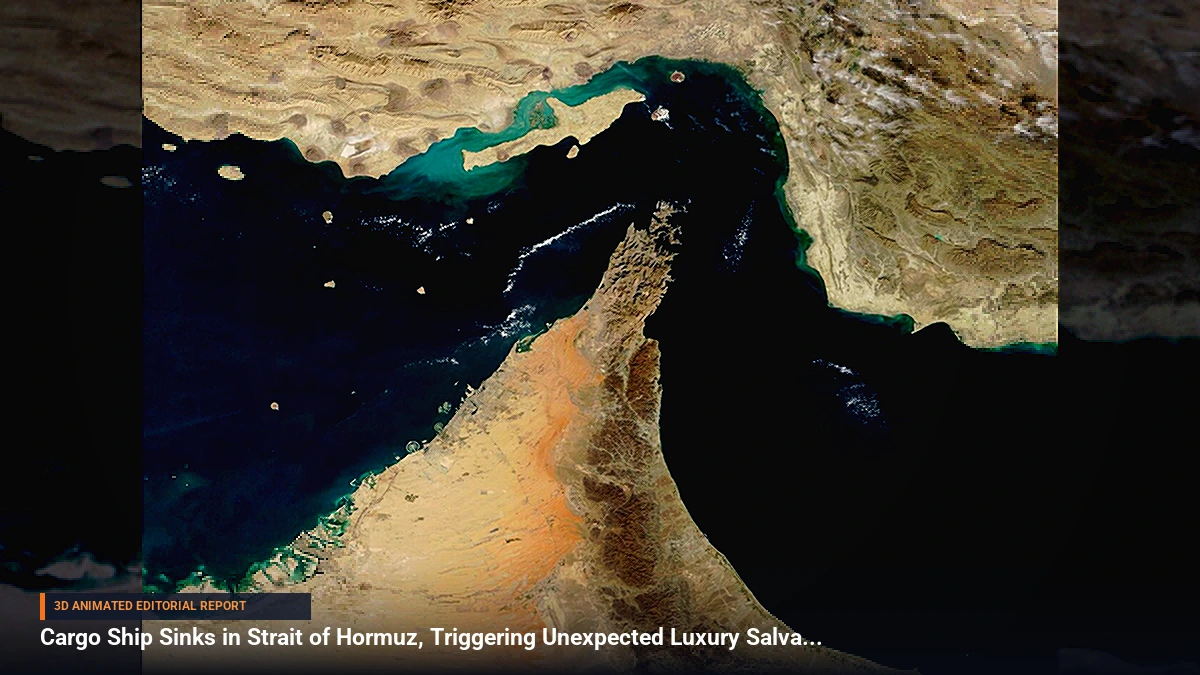
The rejected peace framework aimed to de-escalate hostilities and guarantee the reopening of the Strait of Hormuz—a vital global energy chokepoint through which a significant portion of the world's petroleum passes. With diplomatic avenues currently stalled and regional posturing intensifying, energy markets have reacted aggressively, driving up crude prices and injecting profound uncertainty into global macroeconomic projections.
Key Takeaways
- Massive Market Sell-off: The BSE Sensex plummeted by over 1,000 points, while the Nifty50 broke key support levels to drop below 22,850.
- Staggering Wealth Destruction: Investors suffered an estimated loss of Rs 5 lakh crore within the very first hour of opening bell activity.
- Geopolitical Catalyst: Surging oil prices driven by US-Iran tensions in the Middle East acted as the primary catalyst for the financial downturn.
- Strait of Hormuz Crisis: Tehran's hardline stance and Washington's rejection of a seven-day de-escalation roadmap have heightened fears of a prolonged supply disruption.
- Vulnerability of Emerging Markets: Import-reliant economies like India face heightened inflationary pressures and currency depreciation risks due to expensive crude.
Impact, Analysis & Global/National Reactions
Financial analysts point out that energy-importing nations are acutely vulnerable to Middle Eastern supply shocks. When crude prices spike, domestic inflation expectations rise, trade deficits widen, and foreign institutional investors (FIIs) routinely reallocate capital into safer, defensive assets.
"The rapid evaporation of wealth in early trade underscores how quickly macroeconomic sentiment can pivot when critical supply corridors are threatened," notes market strategists tracking the fallout. Institutional responses reflect deep caution, with trading desks advising clients to monitor energy futures and diplomatic channels closely rather than attempting to catch falling knives in equity indices.
What's Next: Looking Ahead
Market participants and policy planners are keeping a close watch on developments in the Persian Gulf. Any further military posturing or physical disruption in the Strait of Hormuz could push crude prices even higher, forcing central banks to rethink monetary easing cycles in favor of fighting imported inflation. Investors should prepare for sustained volatility as geopolitical risk premiums remain baked into asset prices.


Be the first to comment
Start a useful conversation around this story.