
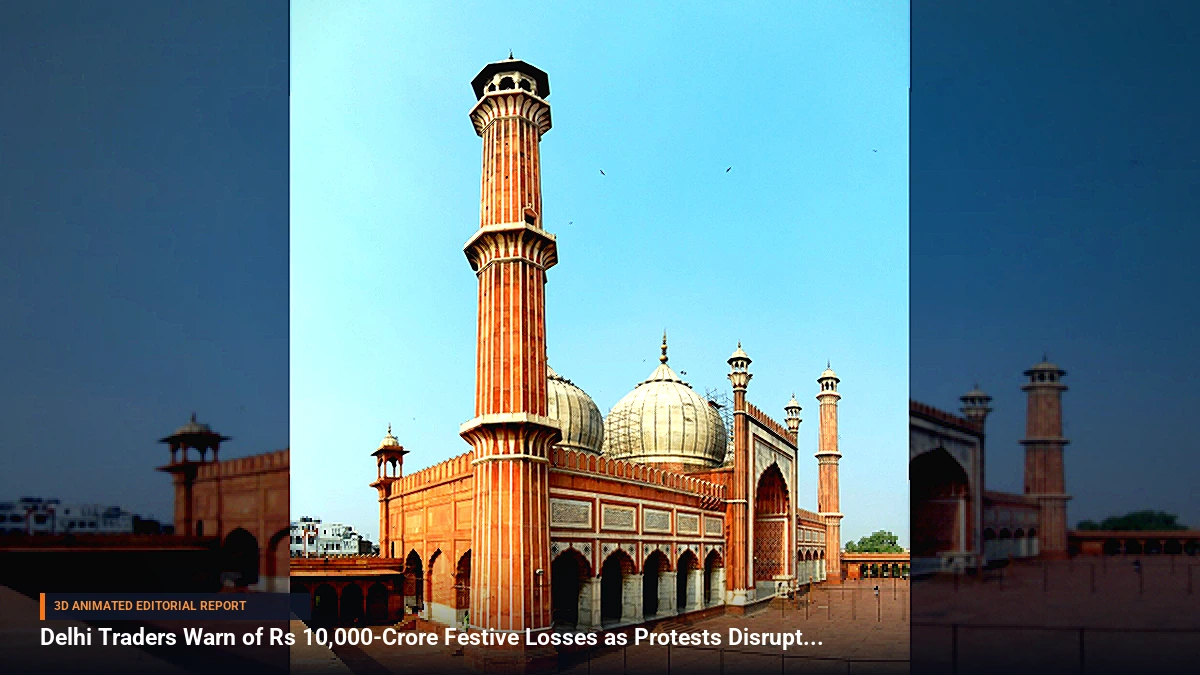
What Happened: The Core Developments
Central Delhi’s busy retail and commercial hubs are facing an unprecedented economic bottleneck as a wave of protests and political demonstrations coincide with the peak festive shopping season. Essential shopping areas, particularly those surrounding Connaught Place, Central Park, and historic gathering points like Ramlila Maidan, have experienced heavy security deployments, barricades, and severe foot-traffic restrictions.
For local vendors, small shop owners, and hospitality operators, the timing could not be worse. The weeks leading up to Diwali traditionally represent the most lucrative period of the fiscal year, accounting for a massive percentage of annual retail turnover. Instead of celebrating brisk seasonal demand, traders report plummeting customer footfalls, paralyzed delivery networks, and substantial financial bleed.
Background & Key Context
The friction between public demonstrations and commercial activity in India's capital is an ongoing structural challenge, but the stakes are exceptionally high during festive calendars. Major wholesale markets including Sadar Bazar, Chandni Chowk, Khari Baoli, and Chawri Bazar sit in close geographic proximity to primary political protest zones.
When rallies, marches, and political sit-ins occupy these arterial corridors, supply chains freeze. Heavy transport vehicles cannot make timely deliveries of festive goods, seasonal inventories remain trapped in warehouses, and retail consumers choose to bypass choked commercial zones entirely. Business associations have repeatedly appealed to major political figures—including national and regional leaders—urging them to defer large-scale agitations until after the festive period concludes.
Key Takeaways
- Staggering Financial Toll: Delhi trader associations estimate that ongoing disruptions could accumulate up to Rs 10,000 crore in losses by the time Diwali concludes.
- Geographic Vulnerability: Wholesale and retail epicenters like Chandni Chowk, Sadar Bazar, Khari Baoli, and Chawri Bazar bear the brunt of traffic halts tied to nearby demonstration venues.
- Judicial Scrutiny: The Supreme Court of India has formally flagged the severe hardships faced by local merchants due to the closure of spaces like Central Park, leaving the door open for potential compensation claims.
- Legal Recourse Sought: Individual business owners, including a prominent Connaught Place restaurant operator, have escalated the matter by moving the Delhi High Court to seek formal compensation for protest-induced business interruptions.
- Livelihood vs. Rights Debate: The situation has reignited a complex legal and ethical discussion regarding how to protect fundamental constitutional rights to protest without devastating urban commercial economies.
Impact, Analysis & Global/National Reactions
The economic fallout has pushed the judiciary to weigh constitutional rights against basic commercial viability. During recent proceedings, the Supreme Court expressed strong empathy for the trading community, explicitly noting the unfair burden placed on small merchants whose livelihoods depend entirely on seasonal consumer influxes.
Legal analysts point out that while the right to peaceful assembly is a cornerstone of Indian democracy, the systemic failure to manage protest locations during critical economic windows creates severe collateral damage. Business owners argue that civic authorities must enforce stricter zoning regulations for political gatherings during peak retail periods. "What about our livelihood?" remains the core refrain echoed by thousands of small vendors whose annual profitability hangs in the balance.
What's Next: Looking Ahead
All eyes are now turned toward the higher judiciary as the Delhi High Court reviews petitions filed by commercial stakeholders seeking financial redress. Legal experts anticipate that these rulings could establish vital precedents regarding state liability and compensation frameworks for businesses harmed by prolonged public disruptions. Meanwhile, local trade bodies continue emergency dialogues with municipal and law enforcement agencies to secure temporary traffic relaxations and ensure that the final stretch of the festive shopping season retains a semblance of economic normalcy.

Be the first to comment
Start a useful conversation around this story.