
What Happened: The Core Developments
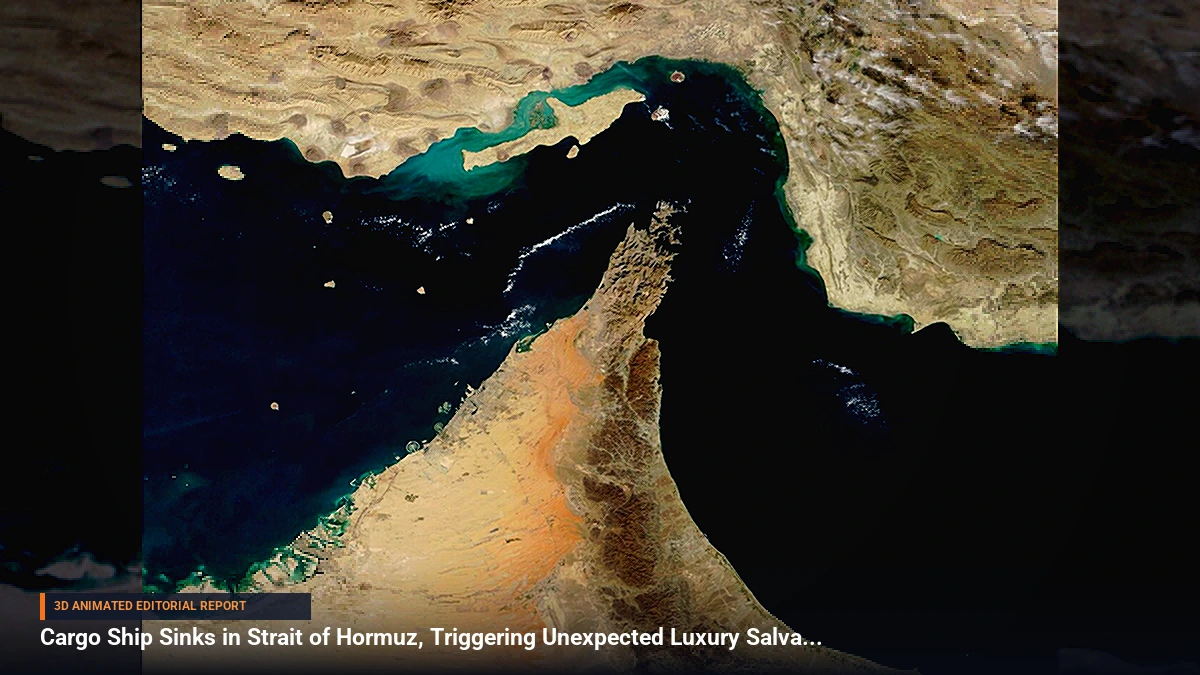
A commercial cargo vessel recently met with disaster in the strategically vital Strait of Hormuz, plunging to the seabed and releasing its cargo into the turbulent waters. While maritime authorities and regional monitors scrambled to assess the circumstances surrounding the sinking, local civilian activity quickly captured public attention.
Footage and eyewitness reports emerged showing Iranian fishermen racing their small boats across the choppy waters of the strait. Instead of standard maritime debris, the fishermen encountered and successfully hauled aboard a bounty of unexpected consumer goods. Floating crates and packages yielded high-end consumer electronics—specifically Apple iPhones—alongside designer perfumes, turning a routine fishing ground into an impromptu salvage zone.
Background & Key Context
The Strait of Hormuz serves as one of the world's most critical energy and commercial choke points, connecting the Persian Gulf with the Gulf of Oman and the Arabian Sea. A significant percentage of global petroleum passes through these narrow waters, making it a frequent focal point for geopolitical tensions, military vigilance, and commercial shipping traffic.
In recent years, the broader region has witnessed various maritime incidents, ranging from tanker fires and reported mine strikes to heightened security patrols by regional and international naval forces. While military and commercial vessels frequently navigate these waters under strict security protocols, civilian craft such as local fishing boats operate in close proximity to major shipping lanes, positioning them as immediate witnesses—and occasionally unexpected first responders—to marine mishaps.
Key Takeaways
- Vessel Sinking: A commercial cargo ship went down in the critical shipping corridor of the Strait of Hormuz under yet-to-be-fully-disclosed circumstances.
- Unusual Salvage: Local Iranian fishermen capitalizing on the spill recovered valuable commercial goods, including iPhones and luxury perfumes, directly from the water.
- Viral Footage: Video documentation of the civilian salvage operation quickly spread across major news outlets and digital platforms.
- Geopolitical Sensitivity: The incident takes place in a highly monitored and geopolitically sensitive maritime chokepoint heavily traveled by global cargo and oil tankers.
- Cargo Vulnerability: The event underscores how containerized or mixed-cargo loss can lead to immediate localized access to high-value consumer electronics and goods.
Impact, Analysis & Global/National Reactions
The incident sheds light on the complex socioeconomic dynamics present along vital international shipping lanes. While maritime security agencies focus primarily on geopolitical stability, freedom of navigation, and environmental protection, local coastal communities often experience the immediate, tangible aftermath of shipping accidents.
Analysts note that while the recovery of floating luxury items presents a quirky human-interest angle, it also points to broader regulatory and legal questions regarding maritime salvage rights, cargo loss reporting, and customs enforcement. Insurers and shipping operators face difficult recoveries when high-value electronics and consumer goods scatter across international or contested waters, making prompt official intervention challenging.
What's Next: Looking Ahead
As maritime authorities continue to review the circumstances that led to the vessel's sinking, attention will likely turn toward formal investigations regarding the ship's registry, safety compliance, and the exact cause of the disaster. Stakeholders in the global shipping and insurance sectors will monitor how the loss is processed, while regional authorities weigh tighter controls over coastal salvage operations in sensitive international corridors.




Be the first to comment
Start a useful conversation around this story.