
What Happened: The Core Developments
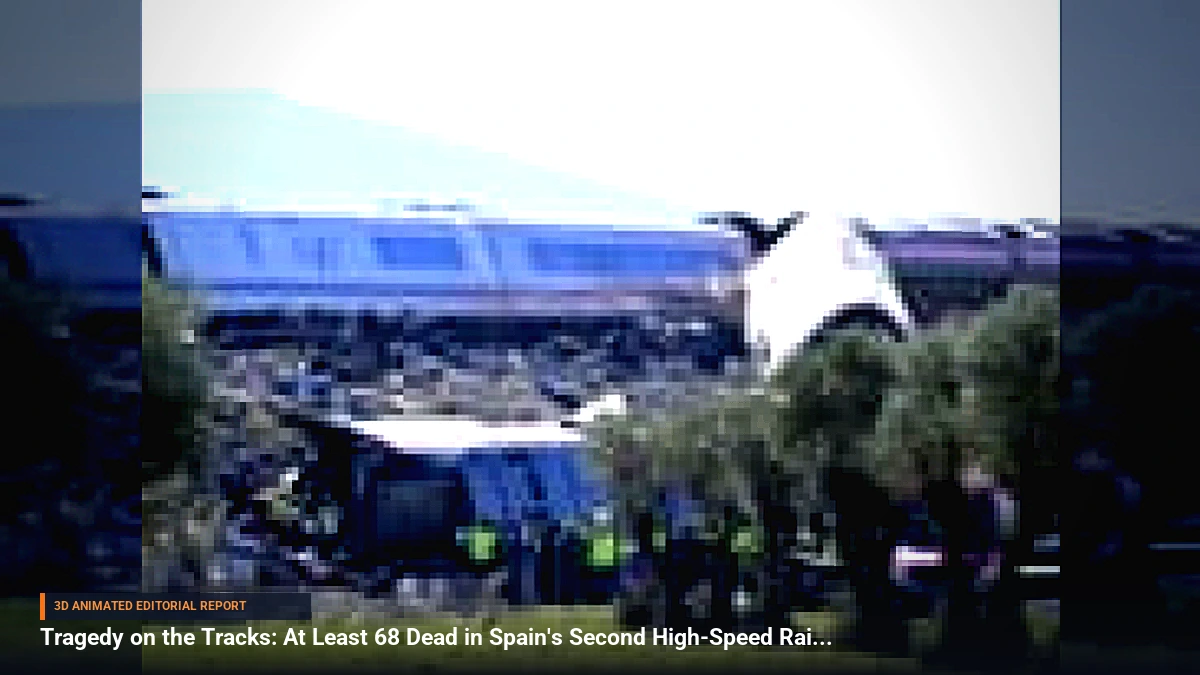
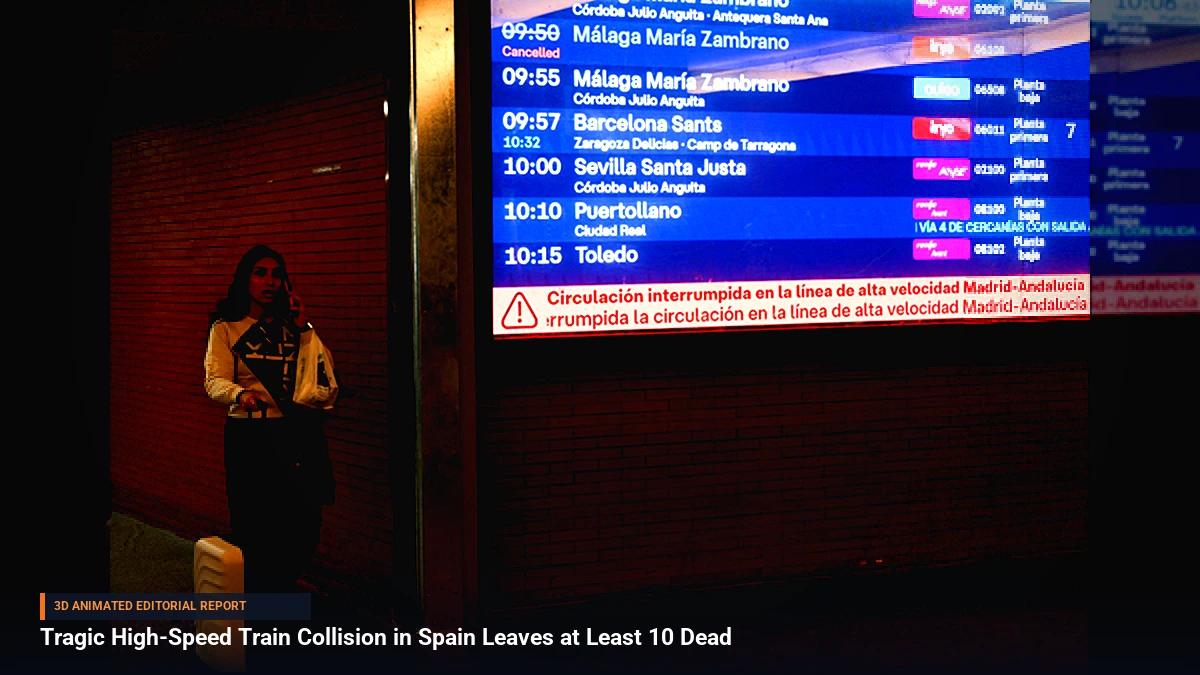
A devastating rail disaster unfolded in central Spain when two high-speed passenger trains collided on the critical corridor connecting Madrid to Seville. The catastrophic event occurred near Urda in the Toledo province, situated south of the Spanish capital. According to verified emergency reports and transport authorities, a trailing high-speed train traveling in the same direction slammed into the rear of another train that had come to a stop on the tracks.
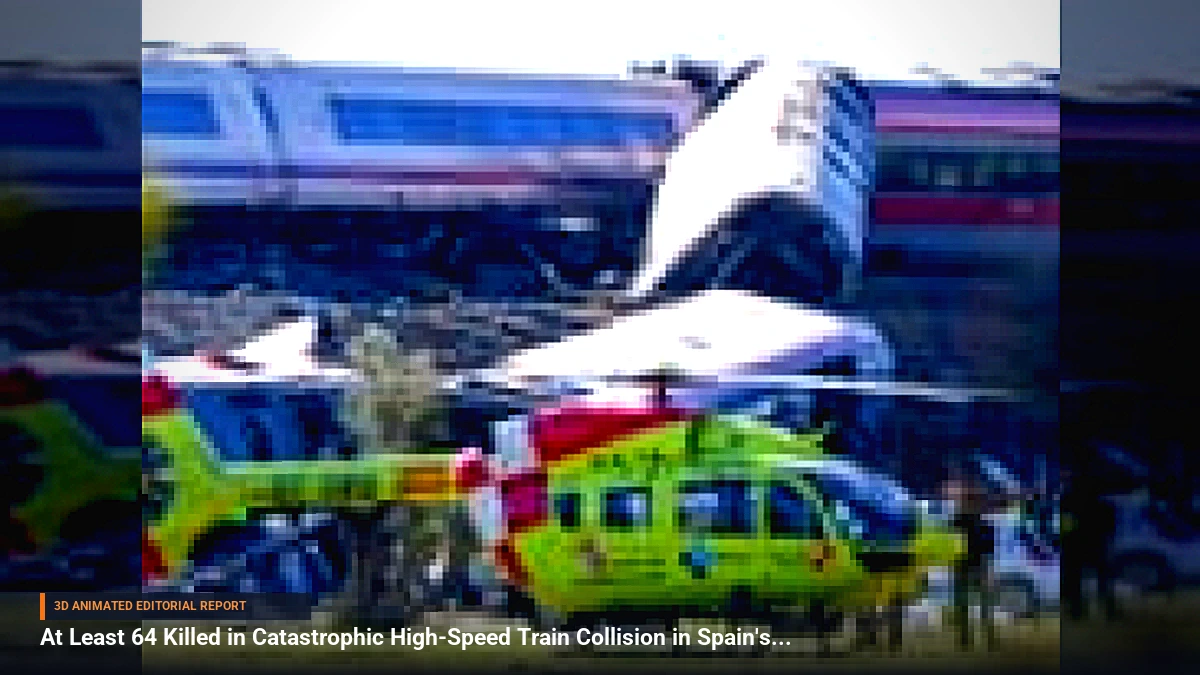
The impact was severe enough to derail multiple carriages, turning a routine morning commute into a scene of utter chaos. The two involved trains were carrying a combined total of 544 passengers. Initial casualty figures reported by regional outlets hovered around 30 deaths, but ongoing rescue and extraction operations quickly revealed a much graver toll. Current confirmed figures place the death toll at at least 68 fatalities, alongside dozens of critical injuries requiring immediate medical evacuation by Spain's emergency health services.
Background & Key Context
Spain boasts the most extensive high-speed rail network in Europe and the second-largest globally, surpassed only by China. For decades, this infrastructure has been a profound source of national pride, symbolizing technological modernization, efficiency, and regional connectivity. However, Wednesday's catastrophe represents Spain's second major fatal train disaster within a 10-month span, severely shaking public trust.
In a country where high-speed rail travel has surged by roughly 40% in recent years due to increased demand and liberalized market competition, questions regarding infrastructure maintenance, signaling systems, and capacity strain have moved to the forefront. Experts and investigators are now evaluating whether the rapid expansion of passenger services has outpaced regulatory oversight or placed undue stress on legacy operating systems.
Key Takeaways
- High Death Toll: At least 68 people were confirmed killed in the crash, making it one of the deadliest rail accidents in modern Spanish history.
- Collision Dynamics: A moving high-speed train running from Madrid to Seville collided with the tail end of a stationary train traveling in the same direction.
- Passenger Capacity: The two trains were transporting a total of 544 passengers when the impact occurred near Urda, Toledo province.
- National Mourning: Spanish Prime Minister Pedro Sánchez responded to the disaster by declaring three days of official national mourning.
- Systemic Concerns: The incident marks the second fatal high-speed rail crash in less than a year, sparking intense domestic and international debate over network safety.
Impact, Analysis & Global/National Reactions
The psychological and political fallout from the Toledo province disaster has been immediate. Spanish Prime Minister Pedro Sánchez addressed the nation, expressing profound grief and declaring three days of official mourning while pledging a transparent, rigorous investigation into the mechanics of the collision. Health Minister Mónica García and other senior officials rushed to coordinate rescue efforts, emphasizing that emergency responders prioritized saving trapped and injured survivors from the mangled wreckage.
Survivors have since recounted harrowing experiences of the split-second impact. Josimar Medina, a 37-year-old tourist traveling on the route, described being thrown through the air alongside his fellow passengers as the carriages disintegrated upon impact. Transport analysts and safety unions are now scrutinizing the automated braking systems, track signaling protocols, and communication sequences between train operators and dispatch centers that failed to prevent the rear-end collision.
What's Next: Looking Ahead
As emergency recovery operations conclude, attention turns entirely to forensic investigations led by Spain’s railway accident investigation commission. Investigators must answer critical questions regarding why the stationary train was halted on the active corridor and whether automated warning systems malfunctioned or were overridden.
Public stakeholders, rail operators, and regulatory bodies face immense pressure to overhaul safety protocols across the network. The findings of the upcoming inquiry will likely dictate immediate operational slowdowns, potential infrastructure upgrades, and broader European Union rail safety audits to restore confidence in high-speed transit.



Be the first to comment
Start a useful conversation around this story.