
What Happened: The Core Developments
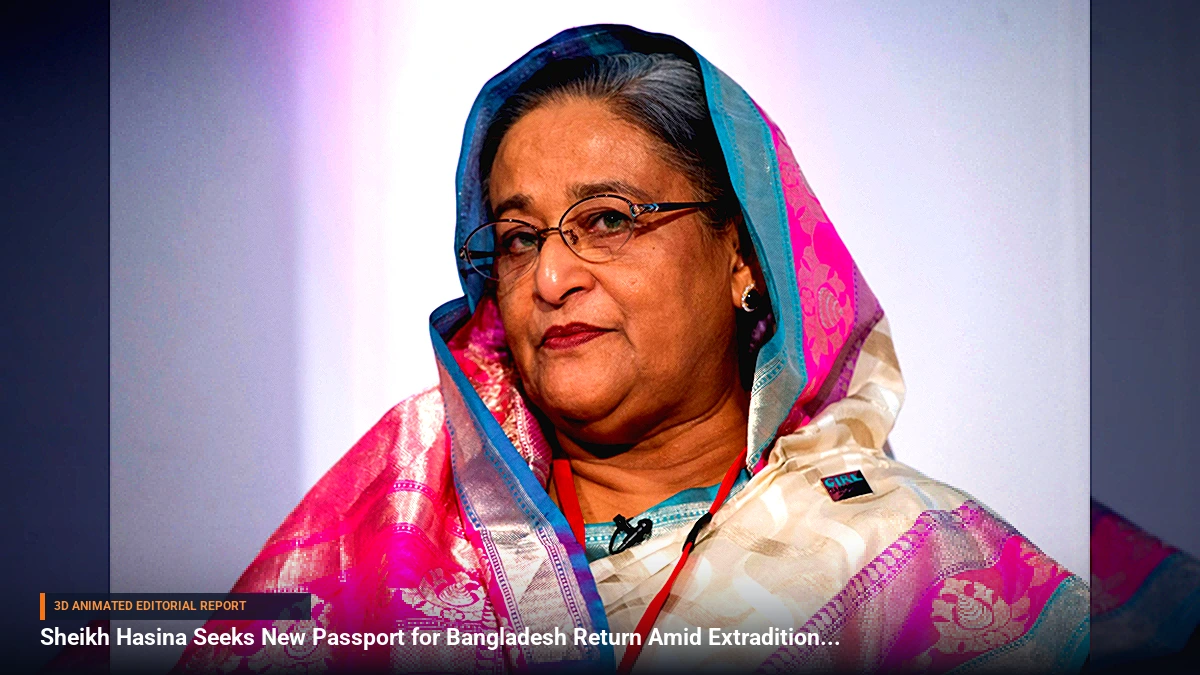
Ousted former Prime Minister Sheikh Hasina has formally applied for a new passport and national identity card, signaling a decisive step toward ending her two-year exile in India. Having lived abroad since her dramatic removal from power, Hasina has reportedly signaled an intention to return to Bangladesh as early as December.
However, her relocation plans face immediate and severe domestic legal hurdles. The transitional or current government in Dhaka has reacted strongly to the development. Bangladesh's law minister has publicly categorized Hasina as a convicted criminal, confirming that an official extradition request has already been transmitted to Indian authorities to ensure she faces justice upon arrival.
Background & Key Context
Sheikh Hasina’s sudden flight to India two years ago marked a seismic shift in South Asian geopolitics, ending a lengthy and dominant tenure at the helm of Bangladesh. Since her departure, the political landscape in Dhaka has undergone profound restructuring, with interim authorities initiating numerous inquiries and legal proceedings targeting the former administration.
While Hasina has maintained a presence abroad, her recent decision to seek travel documents points to a calculated effort to challenge her exile. Yet, this ambition clashes directly with the legal framework established by the post-ouster administration, which has prioritized accountability and criminal prosecution for figures tied to the former regime.
Key Takeaways
- Passport Application: Sheikh Hasina has formally applied for a new passport and identity card to enable travel.
- Exile Timeline: The former prime minister has resided in India for two years following her ouster.
- Return Intentions: Hasina has signaled or promised a planned return to Bangladesh in December.
- Extradition Efforts: Bangladesh's law minister has confirmed that an extradition request has been submitted to New Delhi.
- Legal Status: Dhaka views Hasina as a convicted criminal, setting the stage for an intense legal confrontation.
Impact, Analysis & Global/National Reactions
The dual trajectory of Hasina's travel ambitions and Dhaka's extradition pursuit places New Delhi in a delicate diplomatic predicament. India has traditionally maintained close ties with figures from across Bangladesh's political spectrum, but hosting a foreign leader formally designated as a convicted criminal by her home country creates significant bilateral friction.
Domestically in Bangladesh, the government's uncompromising stance demonstrates a clear intent to insulate the transitional political framework from the influence of the former regime. Statements from the law minister emphasizing that authorities will deal with Hasina strictly according to the law underscore a resolute political will to bypass emotional appeals and enforce legal mandates.
What's Next: Looking Ahead
As December approaches, all eyes will be on New Delhi's response to Dhaka's formal extradition request and whether Indian authorities will process Hasina's travel document applications. The situation hinges on diplomatic negotiations and legal interpretations of extradition treaties between the two neighboring nations.
If Hasina moves forward with her stated December return timeline without a resolution to the extradition request, it could precipitate an immediate constitutional and security crisis upon her arrival at a Bangladeshi port of entry. Stakeholders across international monitoring groups, regional governments, and domestic political factions will closely watch how both capitals navigate this high-stakes standoff.


Be the first to comment
Start a useful conversation around this story.