
What Happened: The Core Developments
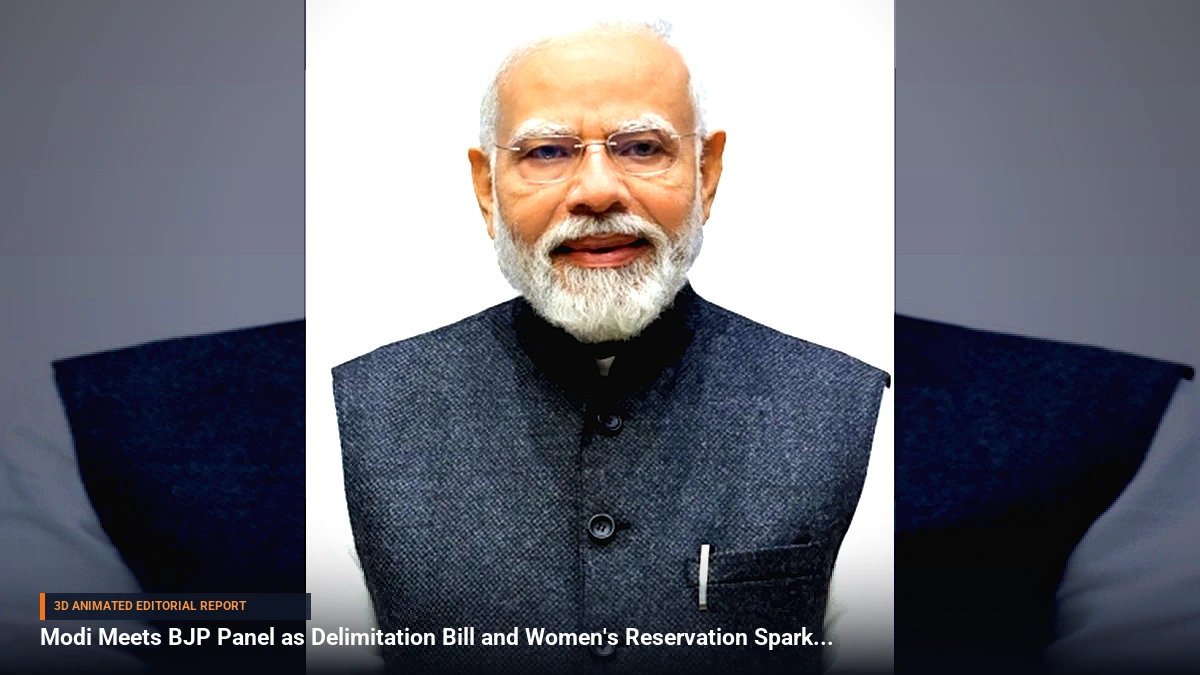
Political tensions have hit a fever pitch in New Delhi as Prime Minister Narendra Modi held a high-level strategy meeting with the Bharatiya Janata Party (BJP) parliamentary panel ahead of a specially convened session of Parliament. The primary objective of the executive and legislative push is the imminent tabling of the Delimitation Bill, a transformative piece of legislation intrinsically linked to executing a one-third reservation for women in legislative bodies.
Demonstrating absolute legislative discipline, the BJP leadership issued an authoritative three-line whip to all its Members of Parliament, mandating their presence and strict party-line voting during the upcoming proceedings. Government insiders suggest that the administration possesses the requisite numerical strength to secure the passage of the bills, signaling immense confidence within the ruling National Democratic Alliance (NDA) ranks.
Meanwhile, the opposition camp is visibly grappling with complex tactical challenges. While senior Congress figure Rahul Gandhi rallied the opposition narrative by declaring that "the fight is on" ahead of the special session, the broader opposition coalition is struggling to project a unified front regarding the structural ramifications of the delimitation process.
Background & Key Context
The debate over delimitation—the redrawing of electoral constituency boundaries based on population shifts—carries profound socio-political implications in India. Historically, southern and western states have expressed deep-seated anxieties that a purely population-based delimitation exercise could penalize progressive states that successfully implemented family planning measures, effectively reducing their relative political weight in Parliament.
By intertwining the delimitation framework with the long-awaited women's reservation mandate, the ruling government has constructed a masterclass in legislative strategy. Opposing the package risks projecting an anti-women stance, while supporting it without adequate safeguards forces regional parties to confront intense local pushback from their home constituencies.
Key Takeaways
- High-Level Strategy: Prime Minister Narendra Modi met with top BJP ministers and parliamentary panel members to finalize floor management and ensure absolute coordination.
- Strict Whips Issued: The BJP command issued a strict three-line whip, compelling all party MPs to be present and vote in lockstep during the special session.
- Core Legislative Goal: The government intends to table the Delimitation Bill to operationalize the constitutional promise of a one-third reservation for women.
- Opposition Friction: The INDIA bloc has encountered internal disagreements, failing to completely align key regional allies—such as the DMK and veteran leader Sharad Pawar—on a unified stance.
- Battle Lines Drawn: Senior opposition voices, including Rahul Gandhi, have signaled fierce parliamentary resistance, setting up a high-stakes legislative showdown.
Impact, Analysis & Global/National Reactions
The intersection of delimitation and gender representation has triggered profound ripples across India's federal landscape. Analysts note that the legislative maneuver places regional satraps in an uncomfortable bind. For instance, internal strains within opposition factions—highlighted by regional leaders expressing apprehension over the long-term impact on southern and western states—demonstrate the enduring fragility of coalition politics when faced with foundational structural reforms.
Political analysts observe that while the ruling party successfully frames the discourse around women empowerment and progressive governance, the opposition is forced to navigate a delicate balancing act. They must champion gender equity without alienating regional power bases that fear marginalization under revised constituency boundaries.
What's Next: Looking Ahead
As the special session commences, all eyes will be on the floor of Parliament to observe how non-aligned parties and fractured opposition factions cast their votes. The successful passage of the Delimitation Bill will mark a monumental shift in India's electoral architecture, permanently altering the demographic and gender dynamics of the national legislature for decades to come.



Be the first to comment
Start a useful conversation around this story.