
What Happened: The Core Developments
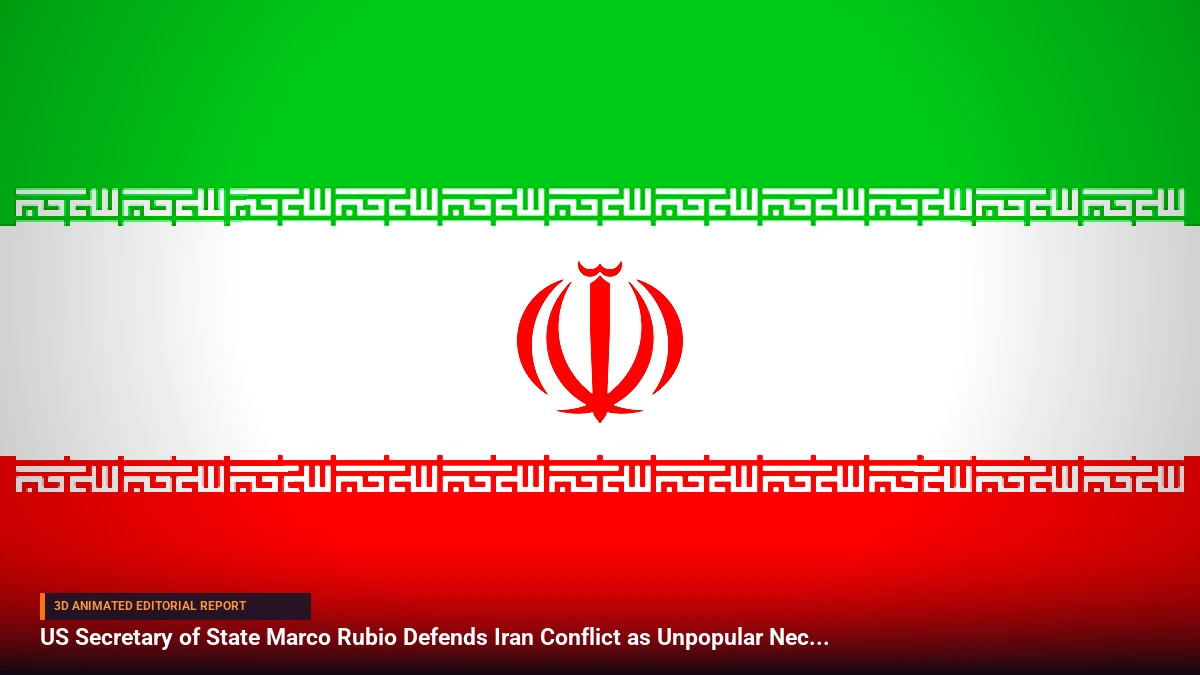
United States Secretary of State Marco Rubio has openly acknowledged the profound public skepticism surrounding ongoing military interventions targeting Iran, characterizing the hostilities as a difficult yet unavoidable measure. Speaking publicly on the administration's strategic posture, Rubio framed the military campaign as an indispensable step to curtail Tehran's nuclear ambitions.
Simultaneously, diplomatic efforts appear to have hit a definitive wall. High-ranking US officials have sharply criticized Tehran's recent negotiation terms, labeling Iranian demands as "outrageous," "ridiculous," and entirely detached from geopolitical reality. The stark rhetoric underscores a deepening diplomatic freeze, even as regional tensions continue to surge following aggressive exchanges and explicit threats from Iranian authorities.
Background & Key Context
The current escalation represents a critical inflection point in long-standing tensions between Washington and Tehran over Iran's advancing nuclear program. For years, international monitors, Western intelligence agencies, and regional powers have navigated a volatile landscape of economic sanctions, covert operations, and stalled diplomatic treaties aimed at curbing uranium enrichment.
The breakdown of recent back-channel talks highlights the severe friction dividing the two nations. While the administration contends that sustained pressure and targeted military operations are the only viable levers left to prevent a nuclear-armed Iran, critics and war-weary publics question the long-term strategic viability and human cost of an extended engagement.
Key Takeaways
- Strategic Necessity vs. Public Opinion: Secretary of State Marco Rubio conceded that the conflict with Iran is not universally popular, defending it strictly as a necessary deterrent.
- Diplomatic Impasse: Washington has formally rejected Tehran's latest negotiation prerequisites, describing them as unrealistic and outrageous.
- Nuclear Threat Focus: The primary justification presented by the US administration centers entirely on blocking Iran's perceived path toward a nuclear weapon.
- Escalating Rhetoric: Amid failed talks, threats from Iranian leadership—including vows to retaliate forcefully—have intensified fears of a broader regional conflict.
Impact, Analysis & Global/National Reactions
Analyses of the administration's messaging suggest a calculated effort to manage domestic and international fatigue regarding endless foreign engagements. By framing the campaign not as a preferred choice of aggression, but as a reluctant and sober necessity, executive leadership attempts to inoculate itself against charges of adventurism.
However, global stakeholders remain intensely anxious. Regional allies balance the immediate security benefit of degraded Iranian military capabilities against the existential threat of asymmetric retaliation. International bodies and foreign policy experts continue to warn that the complete collapse of diplomacy leaves very little margin for error, raising the risk of unintended escalation across the Middle East.
What's Next: Looking Ahead
As military operations persist and diplomatic channels remain effectively frozen, international observers are closely monitoring potential shifts in posture from both Washington and Tehran. Markets and global supply chains remain vulnerable to any sudden escalation in maritime security or regional stability. Future developments will likely depend on whether internal pressures, allied diplomacy, or unforeseen military friction can force either side back to the negotiating table—or push the conflict into a deeper, more dangerous phase.

Be the first to comment
Start a useful conversation around this story.