
What Happened: The Core Developments
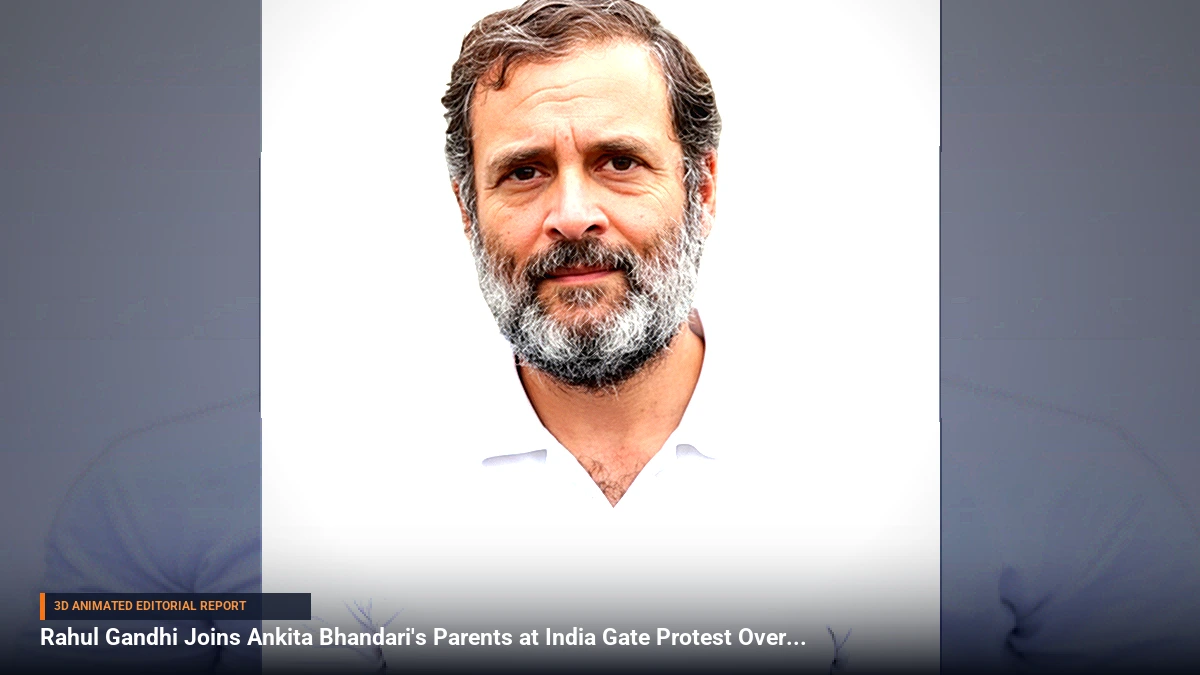
The political landscape in New Delhi witnessed high-tension scenes as prominent opposition figures, including senior Congress leaders Rahul Gandhi and Priyanka Gandhi, joined an overnight demonstration at India Gate. The gathering was organized to protest the controversial appointment of the Sikkim Governor and to demand justice for the family of Ankita Bhandari, a young hospitality worker whose murder in Uttarakhand shook the nation.
During the demonstration, the parents of Ankita Bhandari voiced severe distress over the handling of justice in their daughter's case. The situation escalated in the early morning hours when Delhi Police briefly detained the victim's parents alongside participating opposition members following the prolonged overnight vigil. The heavy-handed police response triggered immediate condemnation from opposition parties, who accused authorities of attempting to suppress legitimate grievances and peaceful dissent.
Background & Key Context
The tragic case of Ankita Bhandari has remained a focal point of public anger regarding women's safety, accountability, and the rule of law in northern India. Bhandari, who worked at a resort in Uttarakhand, was killed after allegedly refusing to yield to immoral trafficking demands, leading to widespread outrage and protests across multiple states.
Concurrently, opposition leaders have been ramping up pressure on multiple fronts. Beyond the street protests concerning accountability and gubernatorial appointments, the political friction has spilled over into the highest echelons of the Indian judiciary. Tensions have intensified between opposition parties and election management bodies, creating a multifaceted confrontation involving street-level activism and institutional legal challenges.
Key Takeaways
- High-Level Solidarity: Rahul and Priyanka Gandhi personally met Ankita Bhandari's grieving parents at India Gate to express their solidarity and denounce the administration's record on crime and justice.
- Early Morning Detentions: Delhi Police briefly detained the victim's family and accompanying opposition politicians following an intense overnight protest zone sit-in.
- Core Grievances: The demonstrators raised strong objections against the Sikkim Governor's appointment and demanded stringent, unfaltering action against perpetrators of violent crimes.
- Judicial Front: As street protests unfolded, the Supreme Court simultaneously prepared to hear a crucial plea filed by opposition leaders, including Rahul Gandhi, against key electoral authorities.
Impact, Analysis & Global/National Reactions
The convergence of street-level human rights protests and high-stakes legal maneuvers highlights a deepening rift between the ruling establishment and the unified opposition. Political analysts note that leveraging high-profile cases like Ankita Bhandari's murder puts direct pressure on the government's narrative regarding public safety.
"When victims' families are forced to take to the streets overnight in the national capital and face detentions, it signals a systemic breakdown in empathetic governance," noted a senior political observer. Opposition leaders vociferously criticized the administration, utilizing platforms at the protest site to argue that accountability mechanisms are failing vulnerable citizens.
What's Next: Looking Ahead
As the political fallout from the India Gate detentions reverberates through legislative and public forums, all eyes turn toward the judiciary. The Supreme Court has scheduled a critical hearing addressing a petition filed by Rahul Gandhi and other opposition figures against Chief Election Commissioner Gyanesh Kumar and Special Investigation/Registration (SIR) protocols.
Legal experts anticipate that the upcoming judicial scrutiny will set a significant precedent for executive-opposition relations. Meanwhile, opposition parties have vowed to continue their coordinated agitation, combining legislative resistance, judicial appeals, and public demonstrations to maintain pressure on the central and state governments.
Be the first to comment
Start a useful conversation around this story.