
What Happened: The Core Developments
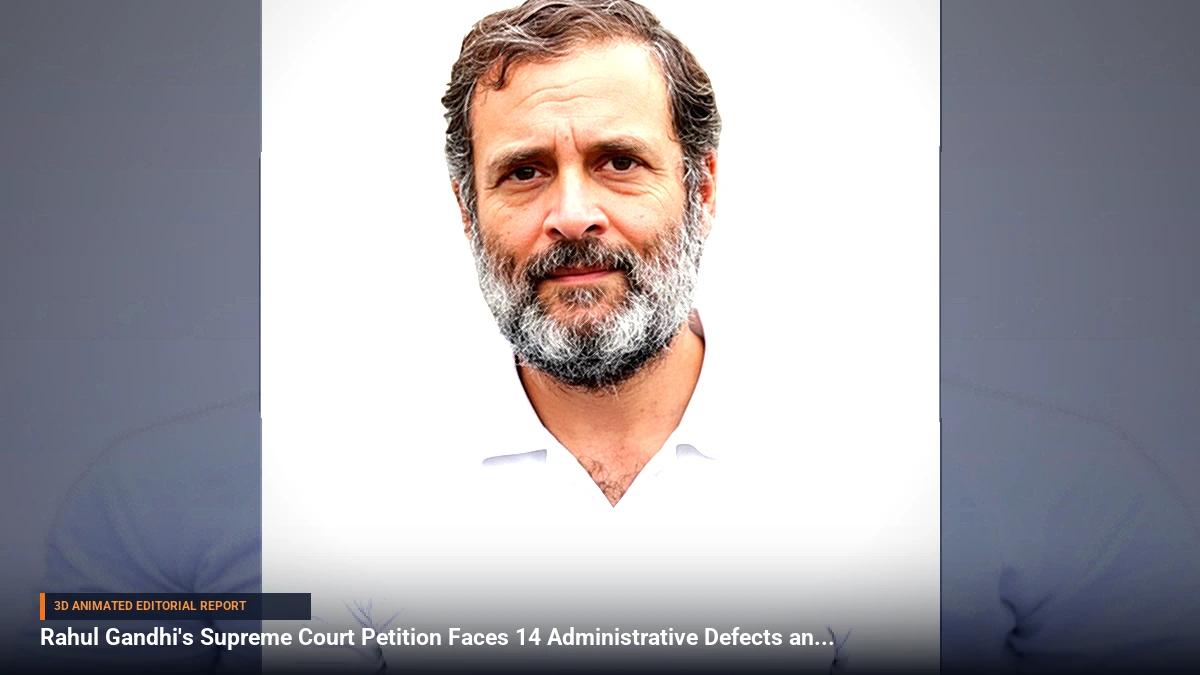
Procedural hurdles have intersected with intense political confrontation in New Delhi after the Supreme Court registry flagged a total of 14 administrative defects in a major petition filed by opposition leaders. Spearheaded by senior Indian National Congress leader Rahul Gandhi and members of the INDIA bloc, the petition challenges the contentious Special Intensive Revision (SIR) of electoral rolls and seeks sweeping accountability from election authorities.
Alongside missing documentation and incomplete paperwork, the court registry specifically noted a minor yet critical Rs 220 court fee shortfall. While administrative technicalities of this nature are commonplace in high-volume apex court dockets, their identification in a high-profile political filing immediately drew widespread public scrutiny and media attention.
Background & Key Context
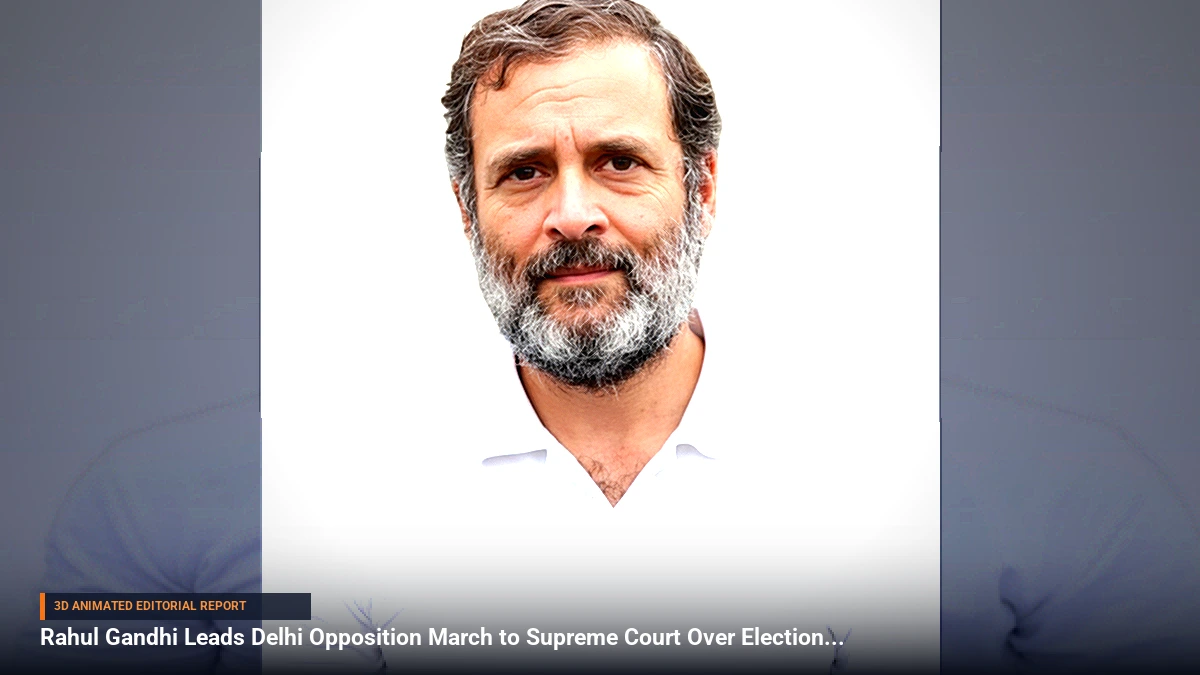
The legal filing followed a high-visibility opposition march through the national capital. Rahul Gandhi led a mass demonstration to the Supreme Court gates, demanding the resignation of top election officials and protesting the execution of the SIR process. The political alignment argued that the ongoing electoral roll revisions threaten democratic transparency and risk mass disenfranchisement.
Concurrently, the opposition's legal team lodged a comprehensive petition demanding ten distinct forms of relief from the apex bench. Among these requests are a formal judicial stay on the SIR process, comprehensive audits of questionable voter deletions, and the securing of official records from the Election Commission of India (ECI).
Key Takeaways
- Registry Scrutiny: The Supreme Court registry flagged 14 distinct administrative errors in the opposition's joint petition, including missing documents and incomplete paperwork.
- Financial Shortfall: A nominal Rs 220 court fee shortfall was explicitly noted by court officials, requiring rectification before the case can proceed to a substantive hearing.
- High-Stakes March: Rahul Gandhi led an INDIA bloc protest march to the Supreme Court, demanding accountability and the resignation of the election chief.
- Tenfold Relief Sought: The petition outlines 10 core demands, prominently featuring a stay on the Special Intensive Revision (SIR) and independent audits of voter deletions.
- Broader Political Friction: The confrontation highlights escalating tensions between opposition parties and election oversight bodies regarding the integrity of electoral rolls.
Impact, Analysis & Global/National Reactions
Political analysts view the joint petition and subsequent street protests as a coordinated strategy by the opposition to shift the electoral accountability debate into the judicial domain. By combining mass mobilization with a formal legal challenge, the INDIA bloc aims to apply sustained pressure on both administrative institutions and the ruling establishment.
While legal experts note that addressing 14 administrative defects is a standard procedural requirement that rarely impacts the ultimate merit of a case, political opponents have seized upon the missteps to question the thoroughness of the opposition's legal preparation. Conversely, supporters of Rahul Gandhi maintain that the core constitutional questions raised in the ten-point relief request far outweigh minor bureaucratic hurdles.
What's Next: Looking Ahead
To advance the litigation, the petitioners' legal counsel must rectify the 14 flagged defects, supply the missing documents, and clear the Rs 220 court fee shortfall. Once these administrative requirements are fulfilled, the petition is expected to be listed before a bench for preliminary judicial review, where the court will decide whether to entertain the plea and schedule a formal hearing on the requested stay of the electoral roll revision.

Be the first to comment
Start a useful conversation around this story.