
What Happened: The Core Developments
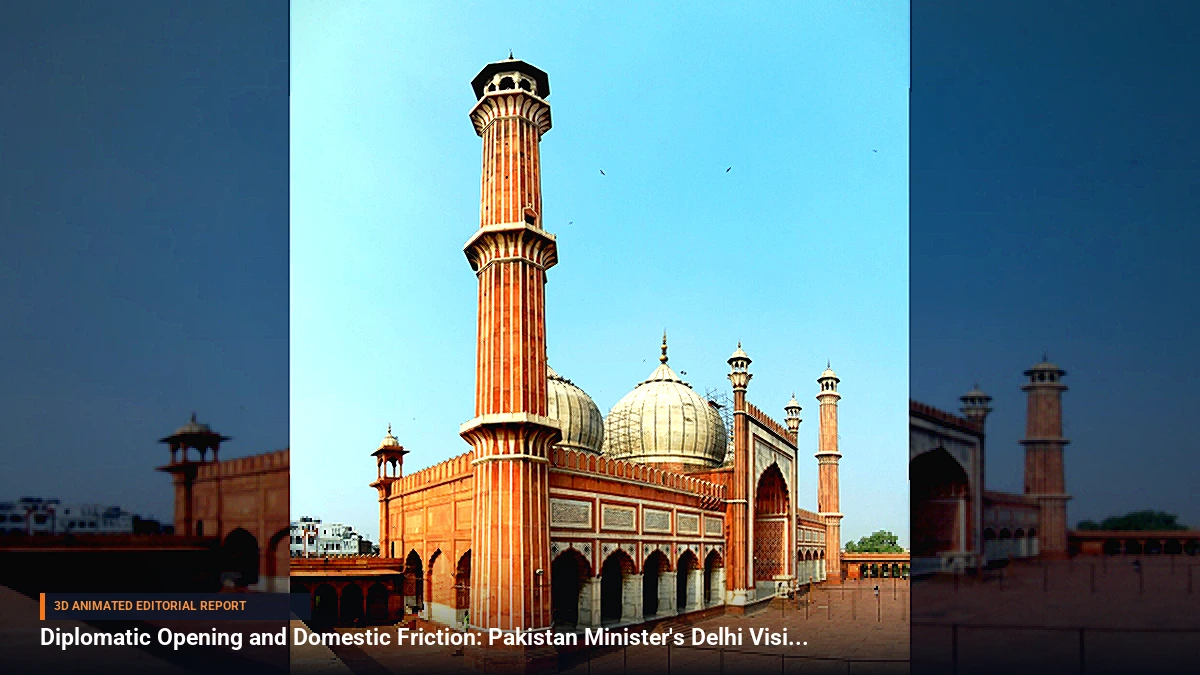
A rare diplomatic breakthrough materialized as a senior Pakistani minister traveled to New Delhi to attend the Shanghai Cooperation Organisation (SCO) Civilisational Dialogue Forum. This marks the first high-level ministerial visit from Islamabad to India since 2025. While both governments officially maintain that the engagement is strictly multilateral, the visit has ignited intense public and political discussions regarding the potential for renewed bilateral dialogue.
Simultaneously, the Indian government evaluated specific travel requests made by the visiting minister. While permissions were granted for high-profile cultural sites such as the Taj Mahal in Agra and Humayun's Tomb in New Delhi, the Centre denied access to the historic Nizamuddin Dargah, citing rigorous security parameters and logistical constraints.
In contemporaneous developments, the landscape of Indian sports and higher education experienced notable turbulence. The Indian blind cricket team registered a strong protest by boycotting the presentation ceremony of the Blind Asia Cup. The boycott followed a controversial decision to award Pakistan the tournament title after the final match was completely washed out by rain. On the regulatory front, the University Grants Commission (UGC) released its latest public warning, revealing that the tally of unrecognized, fake universities across the country has surged from 20 to 32 over a three-year span.
Background & Key Context
Bilateral ties between India and Pakistan have remained severely constrained following the 2025 armed conflict and subsequent diplomatic freezes. The decision by Islamabad to dispatch a minister for the SCO Civilisational Dialogue Forum—inaugurated by Prime Minister Narendra Modi to emphasize shared heritage and regional peace—was viewed by foreign policy analysts as an unexpected opening. However, historical animosities linger. Observers noted that the visiting minister, Musadik Malik, had previously adopted aggressive rhetoric regarding transboundary water disputes, notably concerning the Indus Waters Treaty, underscoring the deep-seated mistrust that continues to shadow any diplomatic overtures.
Domestically, the regulatory challenges highlighted by the UGC reflect structural vulnerabilities within India's higher education sector. Despite repeated advisories and legal crackdowns, fraudulent institutions continue to proliferate, trapping unsuspecting students and necessitating tighter inter-state coordination by academic regulators.
Key Takeaways
- First Ministerial Contact: The visit by a Pakistani cabinet minister to New Delhi for the SCO forum represents the first high-level delegation from Islamabad since the 2025 conflict.
- Selective Itinerary Clearance: New Delhi permitted visits to the Taj Mahal and Humayun's Tomb but explicitly barred access to the Nizamuddin Dargah due to security concerns.
- Multilateral vs. Bilateral Stance: Both nations formally maintained that the visit was strictly tied to the SCO multilateral agenda, dampening expectations of formal bilateral peace talks.
- Sports Boycott Over Asia Cup: The Indian blind cricket team boycotted the tournament's presentation ceremony after Pakistan was declared the winner following a rain-abandoned final.
- UGC Crackdown on Fake Universities: Higher education watchdogs reported that the number of unrecognised and fake universities in India has climbed from 20 to 32 over the past three years.
Impact, Analysis & Global/National Reactions
The dual tracks of official engagement and domestic friction have drawn sharp reactions across the political spectrum. While global observers cautiously welcomed the SCO ministerial visit as a tentative step toward lowering regional temperatures, domestic political actors expressed skepticism. Major opposition figures, including representatives from the Congress party, openly questioned the wisdom of hosting a minister from a neighbor accused of state-sponsored terrorism, asking, 'Why invite a country that sponsors terror?'
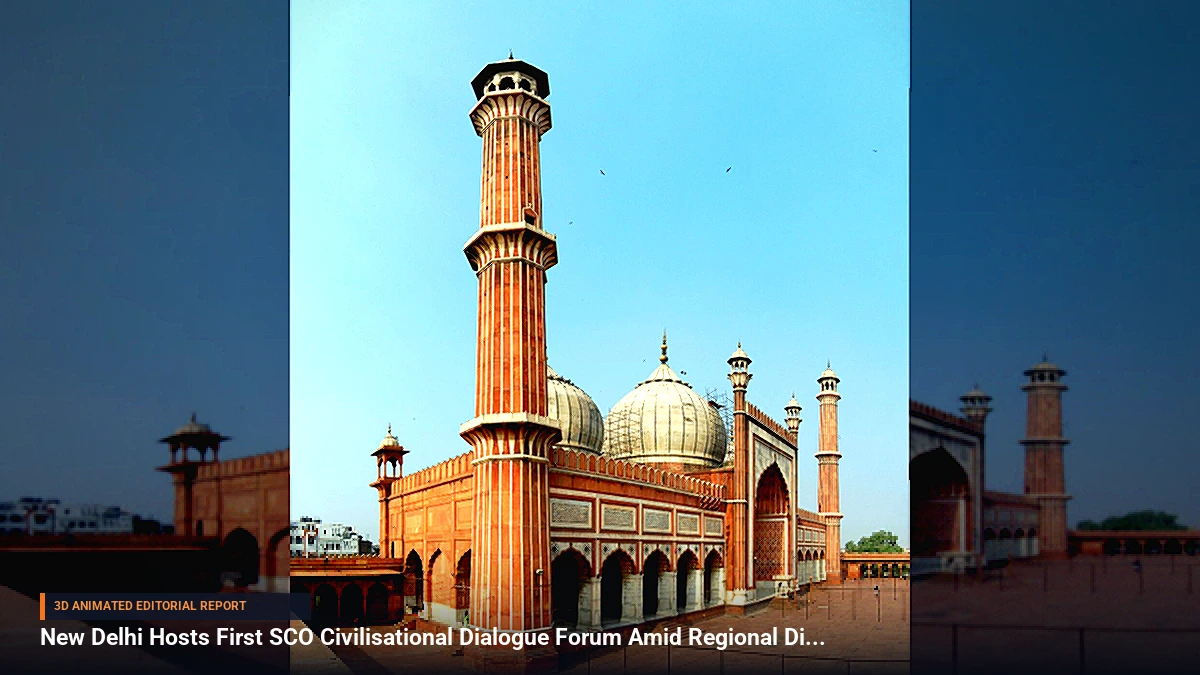
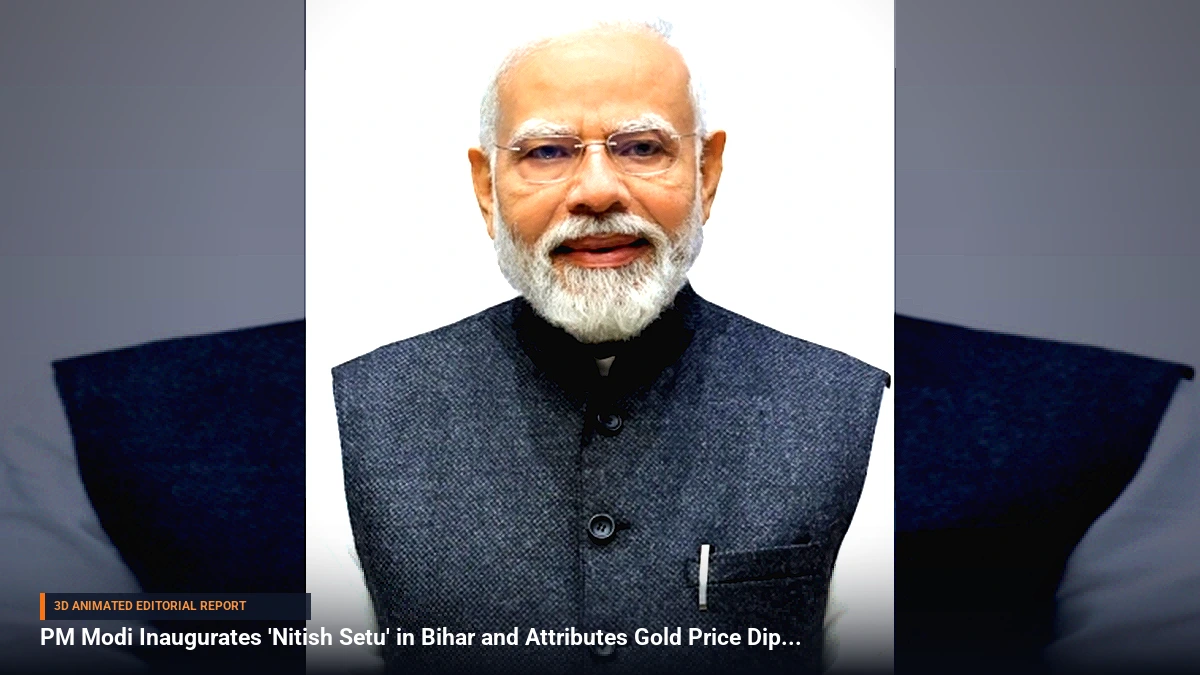
Conversely, proponents of cultural diplomacy argue that platforms like the SCO Civilisational Dialogue Forum provide an indispensable shield for low-stakes engagement. Prime Minister Modi emphasized during the forum that shared civilisational knowledge and cultural heritage remain the strongest guarantees of long-term regional peace. Yet, public sentiment remains deeply polarized, as evidenced by the swift backlash over the Blind Asia Cup decision, which critics labeled as an unfair sporting outcome.
What's Next: Looking Ahead
As the SCO Civilisational Dialogue Forum concludes, foreign policy experts will closely monitor whether this ministerial visit translates into back-channel communications or leads to further reciprocal diplomatic exchanges. Analysts emphasize that any thaw in relations will likely remain incremental, conditional on security benchmarks and counter-terrorism measures.
On the domestic front, the UGC is expected to step up enforcement actions against the newly identified fake universities, issuing further legal notices and collaborating with state authorities to protect students ahead of the upcoming academic admissions cycle. Meanwhile, sports authorities will likely face renewed pressure to establish clearer protocols for rain-affected international tournaments to avoid similar diplomatic and competitive standoffs.
Be the first to comment
Start a useful conversation around this story.