
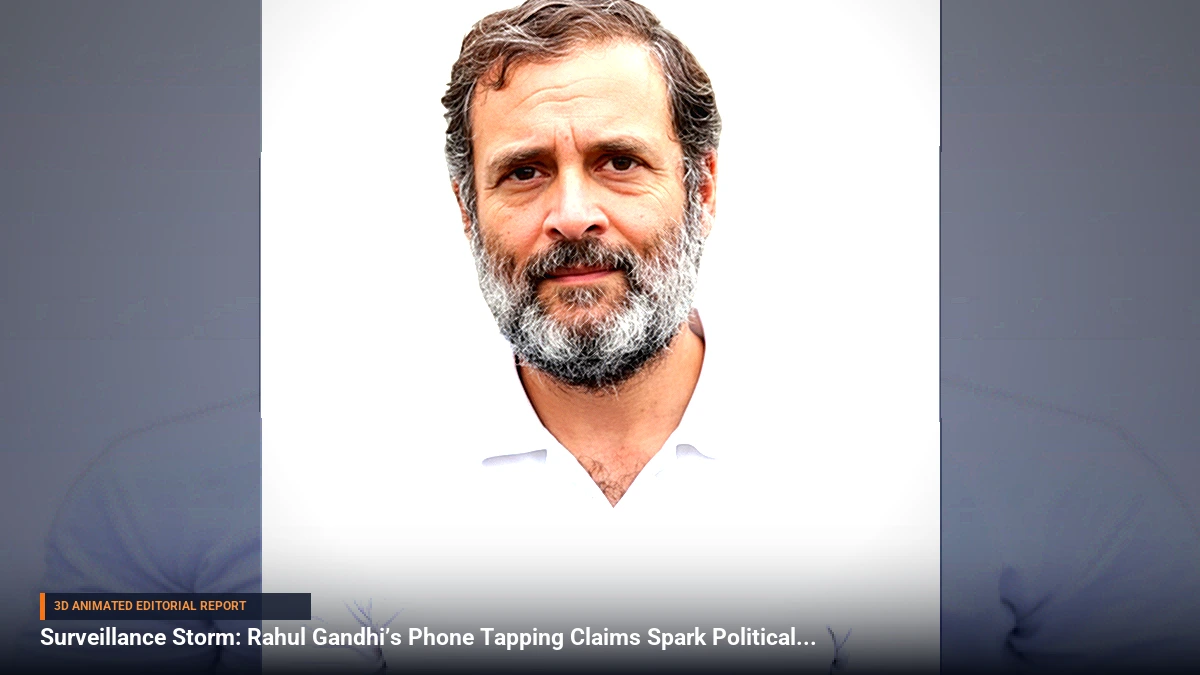
What Happened: The Core Developments
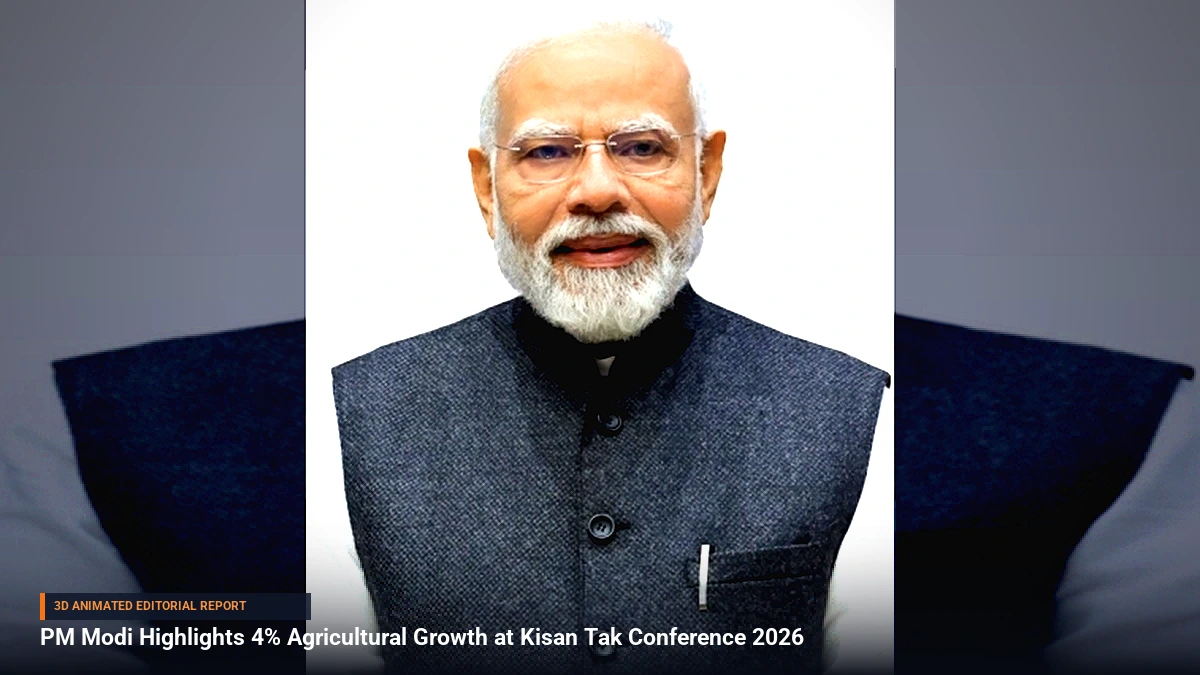
Indian political discourse has been thrown back into turmoil following a fiery social media broadcast by senior opposition leader Rahul Gandhi. In an Instagram video that quickly captured widespread public attention, Gandhi asserted that his mobile device is actively monitored and tapped under the direct authorization of Prime Minister Narendra Modi, capping his accusation with a defiant public challenge directed at the administration.
The explosive claim immediately fractured political consensus, drawing rapid rebuttals from the ruling Bharatiya Janata Party (BJP), which vehemently dismissed the allegations. Party spokespersons branded Gandhi a "habitual liar" seeking sensationalist headlines. Adding a layer of internal discord within the opposition camp, veteran Congress associate Sam Pitroda publicly demurred from Gandhi's assessment, stating that the Prime Minister does not personally engage in or direct phone tapping.
Simultaneously, high-profile political strategist Prashant Kishor entered the fray, offering a starkly divergent perspective that lent partial credence to the opposition's fears. Kishor publicly stated that electronic surveillance and phone tapping are undeniable realities within the Indian political ecosystem, revealing that his own communications had historically been subjected to state monitoring.
Background & Key Context
Accusations of state-sponsored electronic surveillance are far from new in Indian politics. Over the past decade, successive controversies—most notably involving the alleged deployment of Pegasus spyware against journalists, activists, and opposition politicians—have routinely thrust the issue of privacy and executive overreach into the national spotlight.
However, these fierce modern policy battles frequently clash with traditional rituals of statecraft. In a notable display of bipartisan decorum occurring parallel to the surveillance dispute, Prime Minister Narendra Modi, Rahul Gandhi, and Defense Minister Rajnath Singh momentarily paused their bitter political rivalries to pay formal public tributes to India’s first Prime Minister, Jawaharlal Nehru, on his birth anniversary. This juxtaposition highlights the complex dual nature of Indian democracy: virulent, no-holds-barred contemporary friction contrasted with shared institutional heritage.
Key Takeaways
- Direct Accusation: Rahul Gandhi released an Instagram video claiming Prime Minister Narendra Modi is directly monitoring his mobile phone communications.
- Ruling Party Rebuttal: The BJP forcefully rejected the allegations, labeling Gandhi a habitual counterfactual offender.
- Opposition Contradiction: Senior Congress strategist Sam Pitroda publicly diverged from Gandhi's claims, asserting that the Prime Minister does not tap phones.
- Surveillance Reality: Political strategist Prashant Kishor validated electronic monitoring as a systemic reality in India, confirming personal surveillance experiences.
- Bipartisan Pause: Despite raging tensions, top leaders from both sides united to honor India’s first Prime Minister, Jawaharlal Nehru, on his birth anniversary.
Impact, Analysis & Global/National Reactions
The latest round of surveillance allegations underscores the deep-seated institutional trust deficit plagging contemporary Indian democracy. For the opposition, claims of state surveillance serve as a rallying cry against what they characterize as authoritarian overreach and the erosion of democratic safeguards. Conversely, the ruling administration maintains that such claims are baseless, politically motivated fabrications engineered to undermine executive legitimacy.
Political analysts note that the divergence between Gandhi and Sam Pitroda exposes potential messaging fractures within the opposition alliance, providing fodder for the BJP's narrative machinery. Yet, Prashant Kishor's validation of surveillance keeps the broader debate alive, shifting the discourse from a personal political spat to systemic questions regarding privacy rights, legislative oversight, and the legal framework governing intelligence gathering in South Asia's largest democracy.
What's Next: Looking Ahead
As the political fallout from the Instagram video reverberates through parliament and television studios, attention turns to whether the opposition will formalize its claims through legal challenges in the Supreme Court or demand parliamentary inquiries into national telecommunication and cyber-surveillance protocols. With multiple state elections and legislative battles on the horizon, privacy and national security are poised to remain central flashpoints in India's high-stakes political theater.
Be the first to comment
Start a useful conversation around this story.