
What Happened: The Core Developments
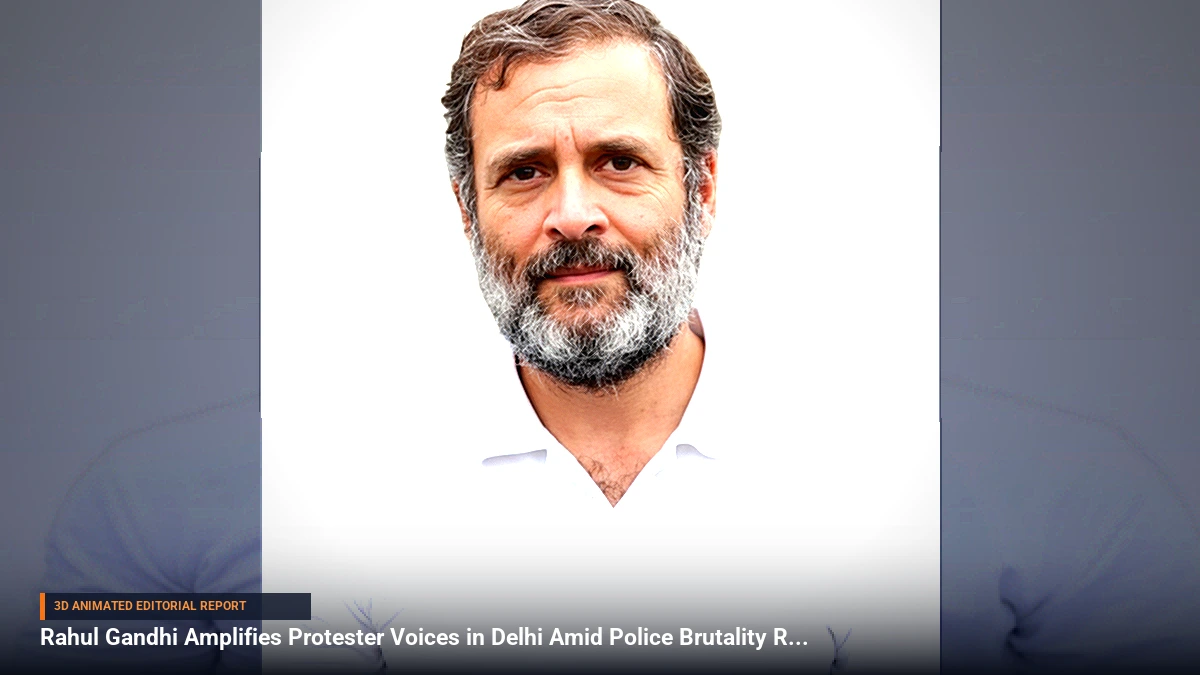
In a strategic escalation of political optics, opposition leader Rahul Gandhi addressed a press conference in the national capital, stepping back to let frontline student protesters and demonstrators tell their stories directly. Among those featured at the briefing were individuals affectionately dubbed "Sherni" (lioness) and a male demonstrator holding what was described as a "lathi of love."
The briefing served as a platform for these grassroots activists to recount firsthand experiences of alleged violence and intimidation while in Delhi Police custody. By placing these personal narratives center stage, the opposition sought to redirect national attention away from standard political rhetoric and toward the human cost of recent street confrontations in Delhi.
Background & Key Context
The press conference follows a mounting political firestorm stemming from intense protests in the capital. Demonstrators had taken to the streets to voice fierce opposition against Chief Election Commissioner Gyanesh Kumar, calling for his immediate removal from office.
However, the demonstrations quickly morphed into a broader civil liberties debate after security forces launched a heavy-handed crackdown on the crowds. Opposition figures and student groups have spent days condemning what they term institutional brutality, accusing law enforcement of suppressing peaceful dissent and violating fundamental democratic rights.
Key Takeaways
- Direct Platform: Rahul Gandhi yielded his press briefing microphone to demonstrators, allowing victims of alleged police brutality to share their personal accounts.
- Iconic Figures: The briefing highlighted unique protest personas, including a female activist referred to as "Sherni" and a participant carrying a metaphorical "lathi of love."
- Core Demands: The underlying protests center on public calls for the removal of Chief Election Commissioner Gyanesh Kumar.
- State Action Scrutiny: Opposition leaders and student unions have intensified accusations against the Centre and Delhi Police for excessive force.
- Political Strategy: The move marks a deliberate shift by the opposition to anchor high-level political resistance in grassroots human stories.
Impact, Analysis & Global/National Reactions
The decision to spotlight individual protesters has altered the trajectory of the political discourse, framing the conflict not merely as a partisan dispute, but as a battle for civil liberties. Senior political figures, including veteran leaders and student wing representatives, have unified in condemning the alleged assault on women protesters and student leaders in Delhi.
Political analysts note that by featuring figures like "Sherni" and recounting specific injuries—such as claims regarding hearing loss and physical abuse in custody—the opposition aims to galvanize public sympathy. This approach challenges the ruling administration's narrative on law and order, forcing a debate on the boundaries of state power versus democratic expression.
What's Next: Looking Ahead
As the political fallout deepens, opposition parties are expected to escalate pressure within parliamentary forums and through public mobilization campaigns. Civil society groups are also contemplating legal avenues to address the alleged human rights violations during the police crackdowns.
With demands for accountability regarding the Chief Election Commissioner's tenure showing no signs of abating, the standoff between demonstrators and state machinery appears primed to remain a central flashpoint in national politics.

Be the first to comment
Start a useful conversation around this story.