
What Happened: The Core Developments
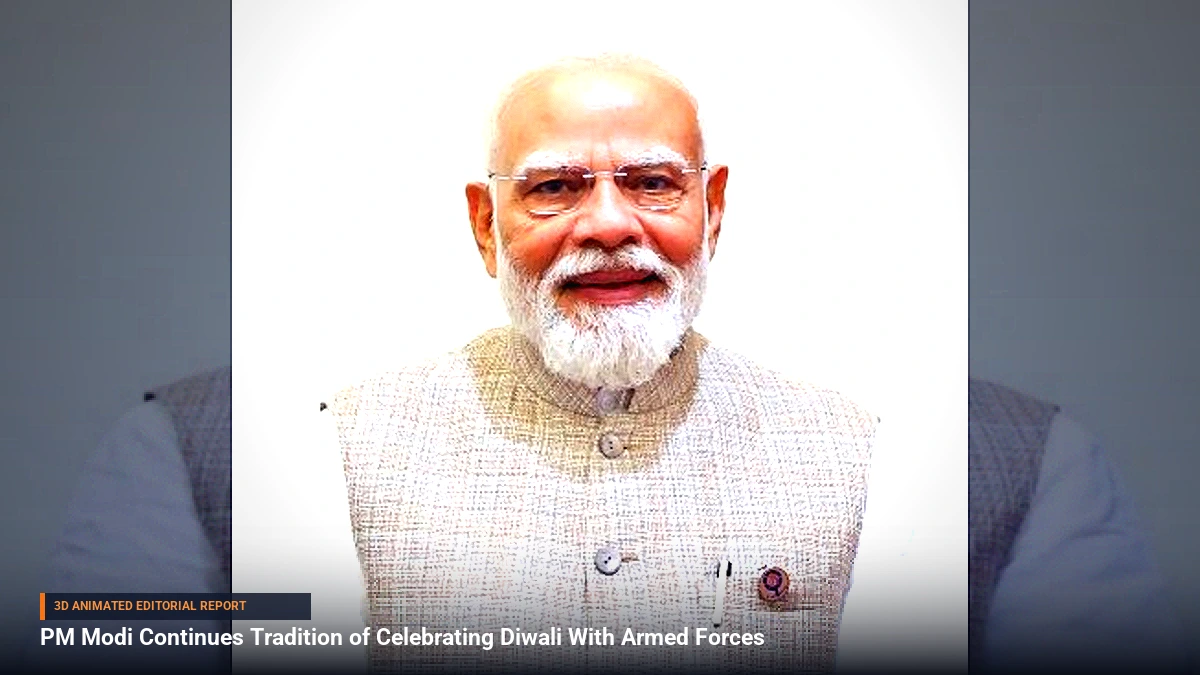
As millions across India and the global diaspora prepared to celebrate Diwali, Prime Minister Narendra Modi reiterated his enduring commitment to the country's armed forces by spending the festive occasion among military personnel. Maintaining an unbroken annual practice since taking office in 2014, the Prime Minister traveled to interact directly with the troops, offering personal encouragement and sweet distributions.
Concurrently, national leaders, including President Droupadi Murmu, issued broad public addresses wishing citizens peace, prosperity, and communal harmony. President Murmu emphasized the spiritual significance of the festival—the triumph of light over darkness and knowledge over ignorance—urging communities to support the vulnerable and marginalized.
Background & Key Context
Civil-military relations in democratic nations often rely heavily on symbolic gestures that bridge the gap between civilian governance and the defense apparatus. For Prime Minister Modi, visiting forward posts, remote army camps, naval installations, and air force stations during major festivals has evolved into a cornerstone of his executive communication strategy.
Historically, Indian leaders have addressed troops during national crises or formal military ceremonies, but the personalized, unannounced, or highly publicized holiday visits establish an intimate narrative of shared national sacrifice. These interactions frequently serve as platforms to signal strategic resolve to neighboring adversaries, reinforce troop morale in harsh terrain, and demonstrate executive alignment with national security guardians.
Key Takeaways
- Unbroken Tradition: Prime Minister Modi has maintained his personal practice of celebrating Diwali with armed forces personnel every year since 2014.
- Nationwide Greetings: Both Prime Minister Modi and President Droupadi Murmu issued comprehensive holiday messages urging citizens to foster unity and national development.
- Civil-Military Bonding: The annual visits are designed to elevate troop morale in remote outposts and reinforce the bond between the civilian government and the military.
- Strategic Signaling: Beyond festivity, these high-profile visits underscore the government's prioritization of national security and defense preparedness.
Impact, Analysis & Global/National Reactions
Political analysts view these annual engagements as a masterclass in political symbolism. By choosing to forego traditional celebrations in the capital in favor of austere environments alongside jawans (soldiers), the leadership projects an image of relentless dedication and grassroots connection.
"The practice transcends mere photo-opportunities; it embeds a cultural expectation that national leaders stand shoulder-to-shoulder with those who bear the physical burden of defense," notes defense policy observer Arindam Sen.
Public reception across social and mainstream media has been overwhelmingly positive, with citizens praising the acknowledgment of military sacrifices during family-centric holidays. Institutional bodies across the defense and home ministries also utilized the occasion to highlight welfare measures and modernization initiatives currently underway for military families.
What's Next: Looking Ahead
As the festive season concludes, political and administrative focus will pivot back to crucial governance milestones, upcoming parliamentary sessions, and ongoing defense acquisitions. However, the goodwill generated by these interactions is expected to resonate across domestic political discourse, reinforcing the administration's nationalist credentials as key regional and economic policy decisions loom on the horizon.



Be the first to comment
Start a useful conversation around this story.