
What Happened: The Core Developments
Global energy markets experienced an immediate jolt as crude oil prices rebounded following United States President Donald Trump's outright rejection of a truce proposal put forward by Iran. Rather than accepting the preliminary ceasefire terms, the administration opted to double down on maximum pressure tactics, driven by the belief that severe economic sanctions can force Tehran into making deeper, more comprehensive concessions.
While the White House signals that aggressive economic measures and potential future military escalations remain viable instruments, Iranian officials have walked a dual track. Tehran's leadership has publicly expressed readiness for prolonged conflict, yet concurrently maintained that diplomacy and negotiation are the only ultimate mechanisms to resolve the ongoing crisis in the critical Hormuz corridor and wider region.
Background & Key Context
The latest diplomatic friction highlights a familiar playbook in US-Iran relations, where economic leverage is pitted against geopolitical endurance. Observers note that the Trump administration views the existing sanctions architecture not merely as a punitive tool, but as a dynamic lever to extract structural compromises regarding regional security and proxy networks.
However, this hardline stance carries inherent risks. Rejecting an active peace overture can close windows of dialogue, heighten the volatility of global shipping lanes, and provoke retaliatory responses that ripple directly through international commodities and energy markets.
Key Takeaways
- Truce Rejected: President Trump officially turned down Iran's peace and ceasefire proposal, aiming instead for a more comprehensive "better deal."
- Market Reaction: Global oil prices immediately rebounded upward in response to the heightened geopolitical risk and the dashing of near-term peace hopes.
- Sanctions as Leverage: The US administration continues to rely heavily on economic sanctions to extract further political and strategic concessions from Tehran.
- Diplomacy Not Fully Off the Table: Despite fiery rhetoric from Iranian officials—including declarations of readiness for severe escalation—Tehran insists that negotiations remain essential to ending the conflict.
- Strategic Uncertainty: Analysts warn that eschewing diplomatic off-ramps risks widening hostilities and intensifying volatility across vital Middle Eastern trade routes.
Impact, Analysis & Global/National Reactions
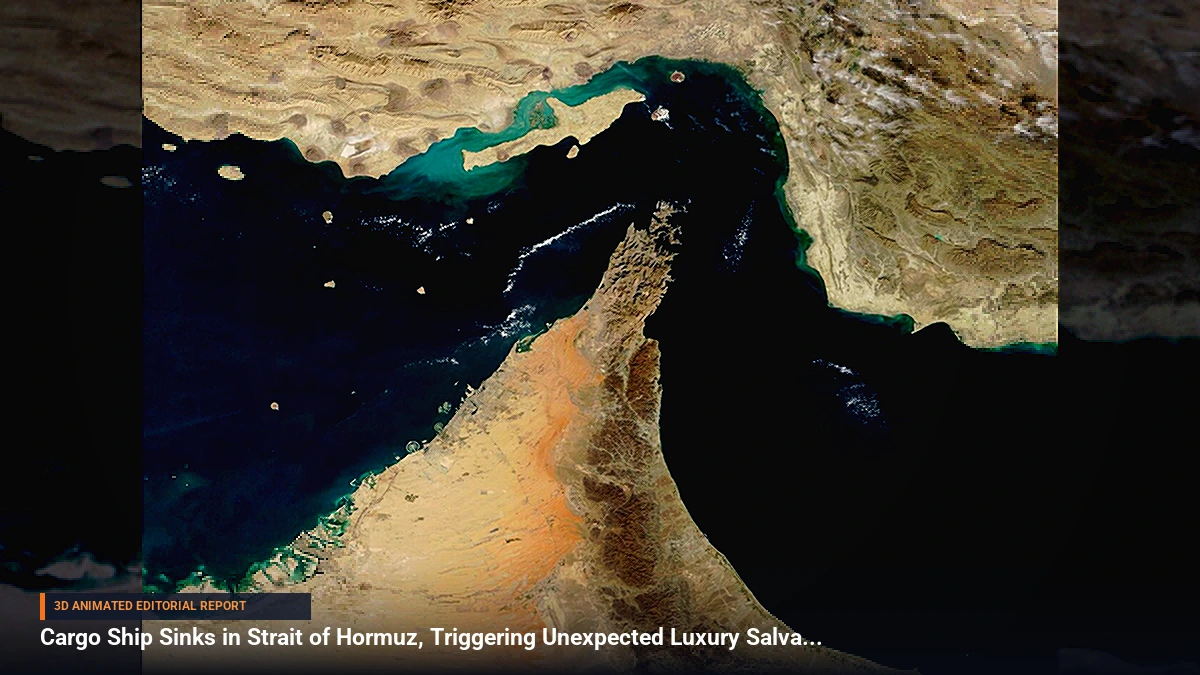
Energy analysts point out that the market's swift rebound underscores how tightly tethered global oil valuations are to Middle Eastern stability. Traders quickly priced in the renewed likelihood of prolonged friction and potential supply disruptions around the Strait of Hormuz.
Geopolitical strategists remain divided on the efficacy of the strategy. Proponents argue that holding out for a stronger agreement prevents premature normalization and keeps maximum pressure on a constrained Iranian economy. Conversely, critics caution that spurning diplomatic overtures risks backing adversaries into a corner, diminishing long-term leverage and raising the specter of miscalculation.
What's Next: Looking Ahead
Market watchers and international diplomats will be closely monitoring upcoming political milestones and regional security developments, particularly regarding how long economic pressures can be sustained without triggering wider military engagements. As both nations balance the rhetoric of confrontation with the underlying necessity of eventual talks, the trajectory of energy markets will remain entirely dependent on whether new diplomatic backchannels can be forged or if hostilities deepen further.

Be the first to comment
Start a useful conversation around this story.