
What Happened: The Core Developments
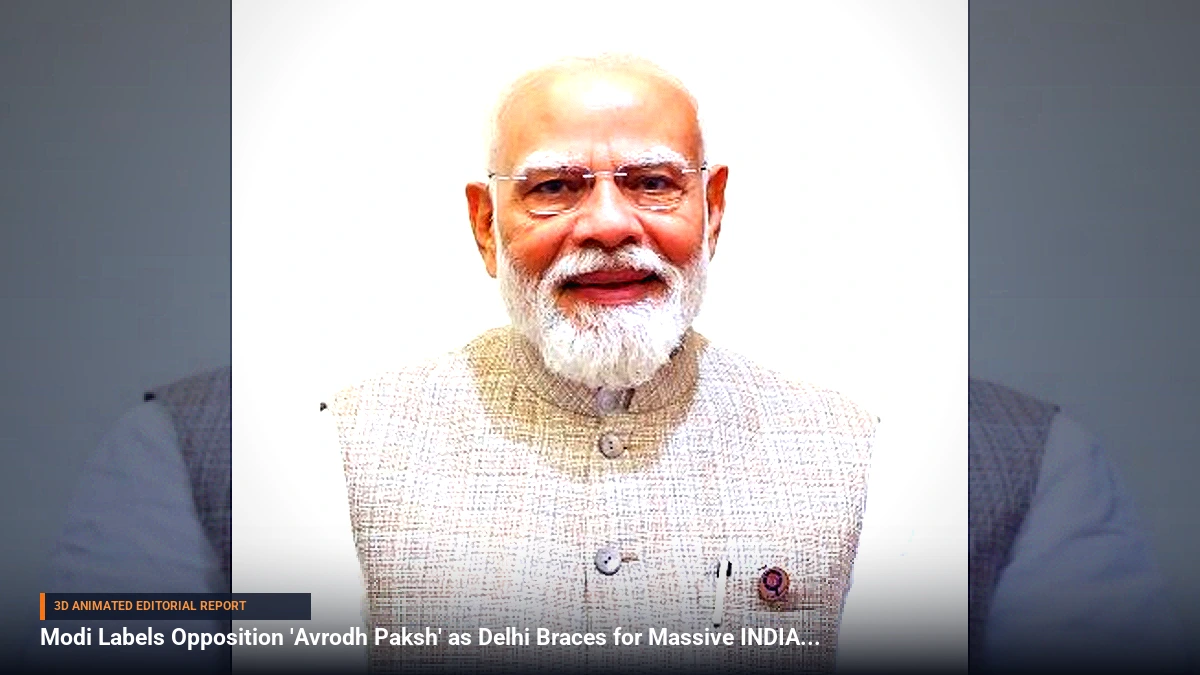
Tensions between India's ruling administration and the opposition alliance reached a fever pitch following sharp remarks from Prime Minister Narendra Modi during a high-profile Unity Day event. The Prime Minister accused opposition parties of pursuing a systematic pattern of obstructionism, labeling them 'Avrodh Paksh' (the obstruction party). According to Modi, various political elements have engaged in secret meetings on foreign soil, plotting to fracture the nation's social fabric and hinder developmental progress.
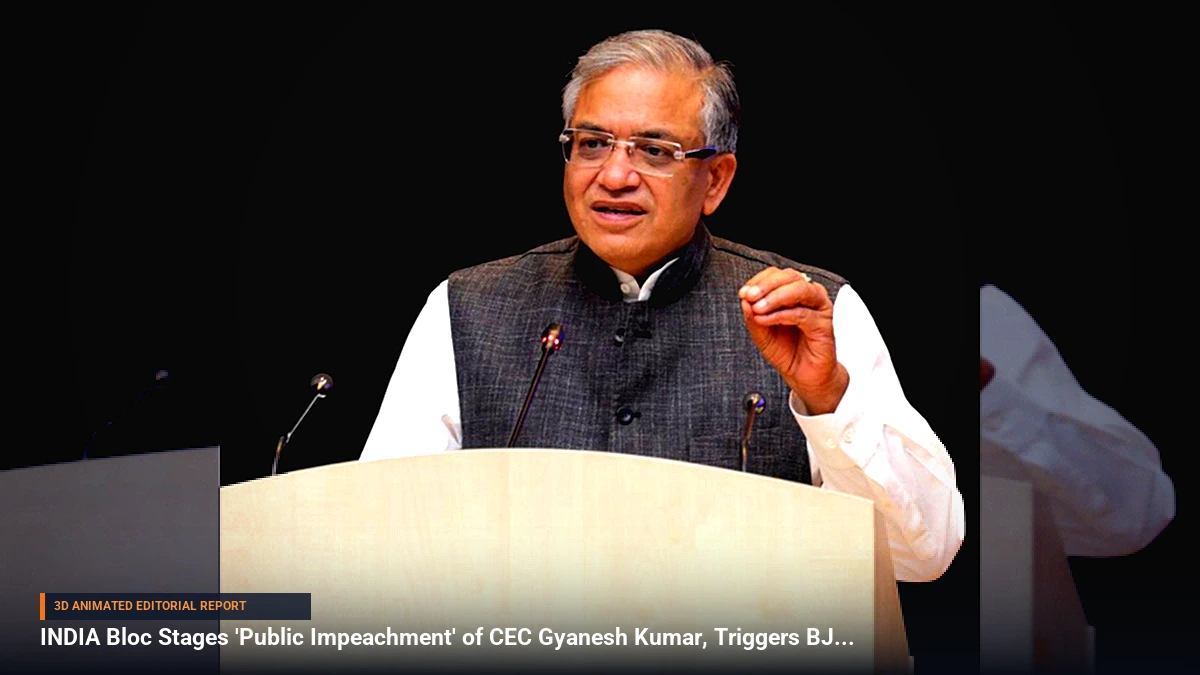
Simultaneously, the national capital entered a state of high security alert as the opposition INDIA bloc prepared for a high-stakes protest rally at Ramlila Maidan. Aimed directly at the Election Commission and contentious voter roll revision exercises, the demonstration drew immense logistical mobilization. Local authorities deployed approximately 4,000 police personnel alongside 200 CCTV cameras across Central Delhi to manage anticipated crowds, with organizers setting an ambitious turnout target of 10 lakh participants.
Background & Key Context
The simultaneous escalation in political rhetoric and street-level mobilization underscores the deepening fault lines in Indian politics. The ruling dispensation has increasingly criticized opposition parties for stalling legislative proceedings and leveraging digital platforms to propagate divisive narratives. On the other side of the political spectrum, the INDIA bloc has amplified its campaign against institutional bodies, raising serious concerns regarding electoral integrity and administrative neutrality.
Historically, Ramlila Maidan has served as the epicenter for major anti-establishment movements in India. The current confrontation builds on months of friction regarding policy rollouts, institutional oversight, and legislative conduct, transforming routine political disagreements into ideological battles over national unity and democratic norms.
Key Takeaways
- Prime Minister's Critique: PM Narendra Modi labeled the opposition 'Avrodh Paksh' during a Unity Day address, accusing them of obstruction and foreign conspiracies.
- Foreign Soil Allegations: The Prime Minister alleged that opposition leaders held clandestine meetings abroad with the intent to divide the country.
- Massive Security Mobilization: Delhi Police deployed 4,000 personnel and 200 CCTV surveillance units to maintain law and order during the INDIA bloc rally.
- Ramlila Maidan Protest: The opposition coalition targeted the Election Commission and voter roll revision processes in a major show of strength.
- Traffic and Public Advisories: Central Delhi experienced significant traffic restrictions and regulatory controls to accommodate the large influx of demonstrators.
Impact, Analysis & Global/National Reactions
The dual developments of sharp executive rhetoric and mass opposition mobilization highlight a polarized political landscape ahead of crucial electoral cycles. Political analysts note that framing the opposition as 'Avrodh Paksh' is an intentional strategy by the ruling party to consolidate nationalist sentiments while discrediting political adversaries as anti-development.
Conversely, the INDIA bloc's ability to mobilize thousands of workers at Ramlila Maidan demonstrates the coalition's resolve to challenge institutional procedures collectively. Civil society groups and independent observers have emphasized the need for constructive dialogue between the executive and the opposition to preserve democratic equilibrium and prevent systemic gridlock.
What's Next: Looking Ahead
As the dust settles on the Ramlila Maidan demonstration, political observers are closely monitoring the response from election authorities and legislative leaders. The friction surrounding electoral oversight bodies and institutional independence is expected to spill over into upcoming parliamentary sessions, where opposition parties are likely to press for accountability. Meanwhile, security agencies remain on high alert across urban centers as both sides gear up for sustained political campaigns.

Be the first to comment
Start a useful conversation around this story.